
Indo Islamic Heritage


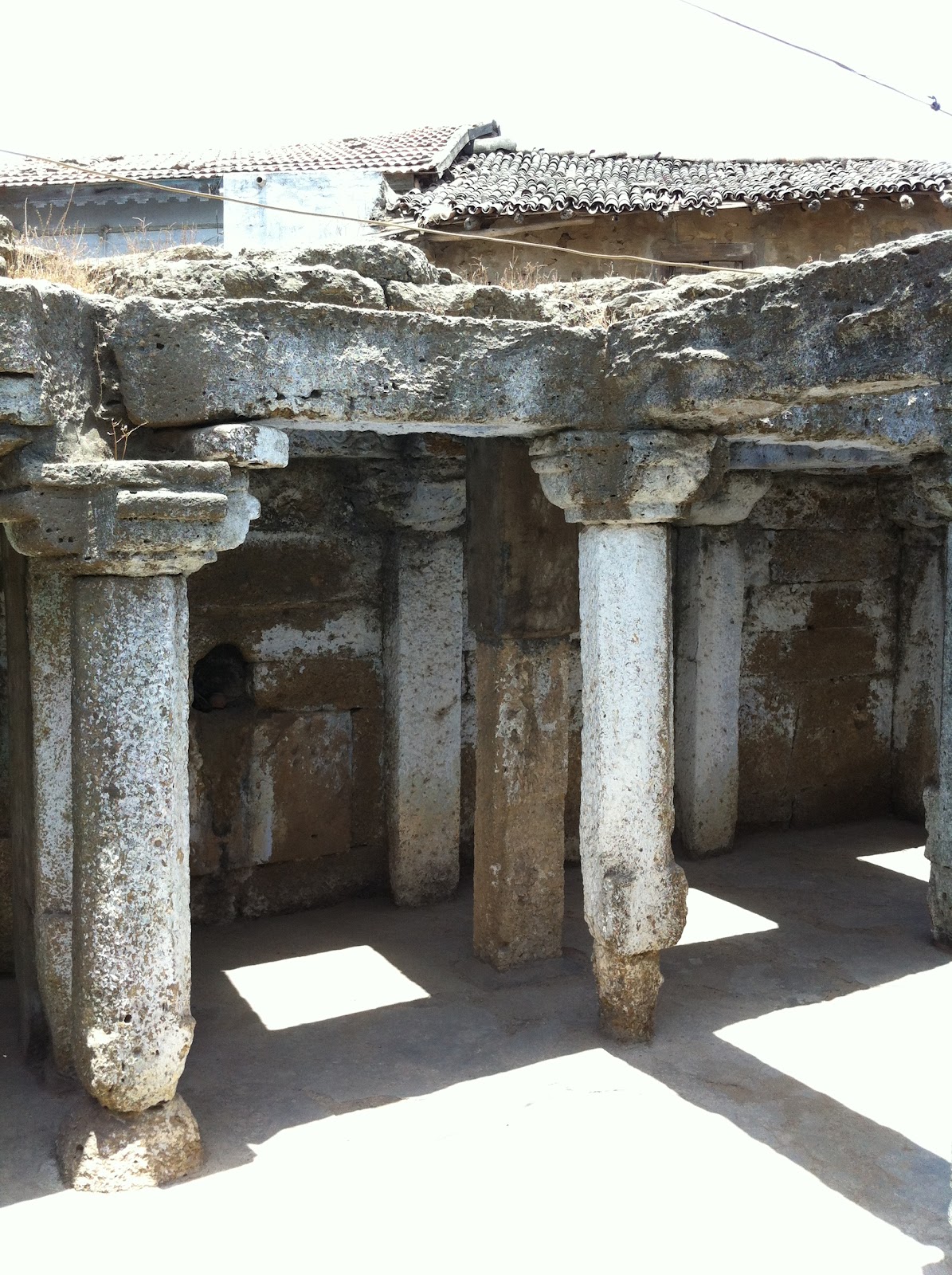
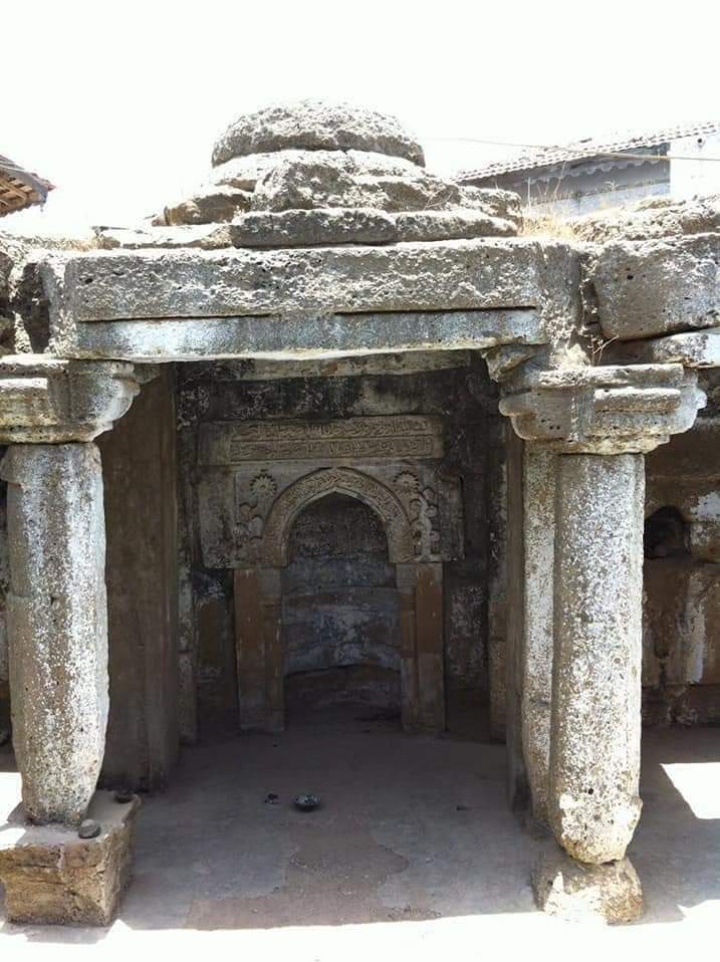
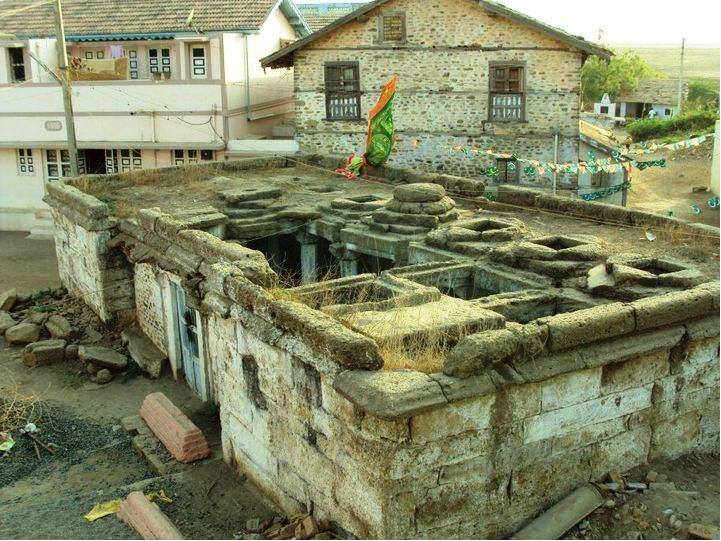
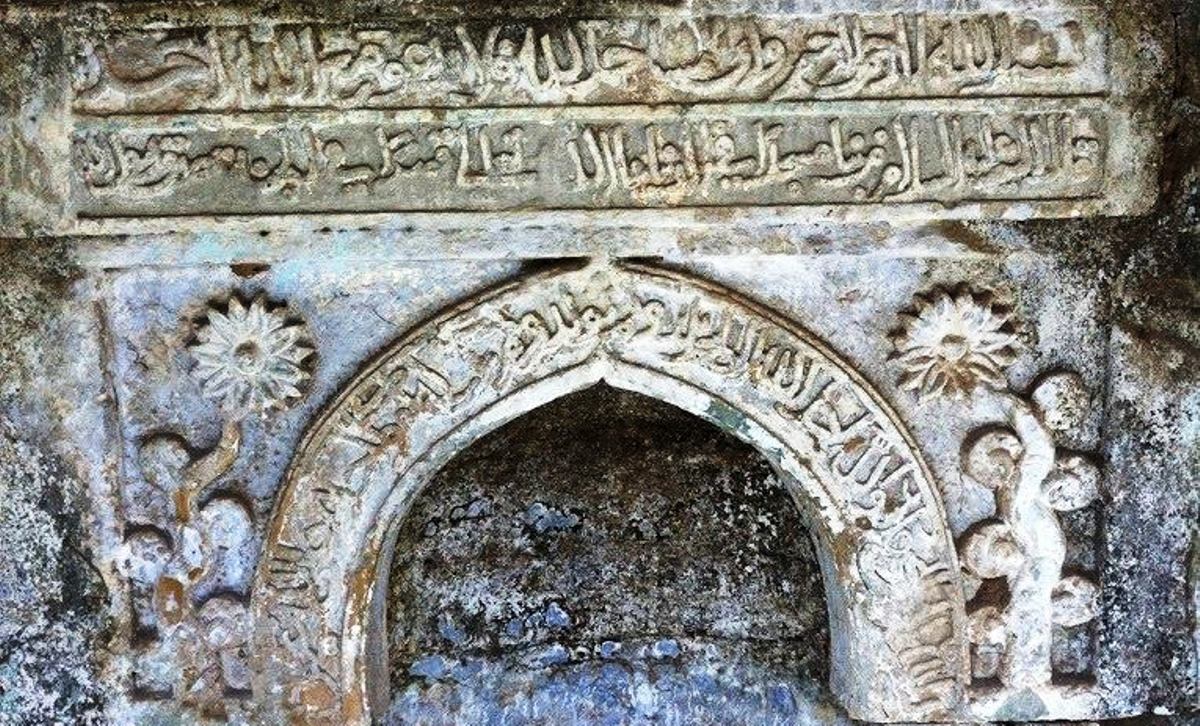
The Juni Masjid, also known as Barwada Masjid, is one of the oldest mosques in India, located in Ghogha, Gujarat. Situated on the northern edge of the ancient port town, it overlooks the Gulf of Khambhat. The mosque holds historical significance for being one of the early examples of Islamic architecture in the region. The Nearest Bus Stand - Bhavnagar Rajula Highway, , Nearest Railway Station - Bhavnagar Railway Station Railway Station Nearest Airport- Bhavnagar Domestic Airport
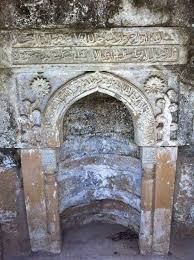
The Barwada Masjid, located in the ancient port town of Ghogha in Gujarat, is believed to be much older than the Cheraman Juma mosque in Kerala, which was previously considered the oldest mosque in the Indian subcontinent. The Barwada Masjid is unique in that it faces the first Qibla, Jerusalem, rather than Mecca, making it possibly the only surviving mosque on earth that does so. The mosque, which measures 15 x 40 feet, is situated on the mid-western bank of the Gulf of Khambhat, in Bhavnagar district, a region historically known as a bustling commercial port. Ghogha remained an important trading hub until the early 19th century when Bhavnagar took over its prominence. The Barwada Masjid is believed to have been constructed during the first 13 years of Islam, a period when Muslims prayed towards the Baitul Muqadas (Jerusalem), before the Qibla was shifted to the Kaaba in Mecca in 623 AD. The mosque was built around the same time when Prophet Muhammad and his followers had just migrated to Madina, making it an incredibly significant structure in Islamic history. The Barwada Masjid is smaller than many other mosques, with a capacity to hold around 25 people for prayer at a time. It has one main entrance, and near the entrance, two graves are located. The mosque is in a dilapidated state, having been abandoned for a long time after the Qibla shift, with no significant efforts made to reconstruct it until recent years. Locals have made some efforts to repair the mosque, including adding roofing to a part that was previously exposed to the sky. However, these repairs have been minimal, and the mosque remains in poor condition. The Mehraab (prayer niche) inside the mosque contains the oldest Arabic inscriptions, adding to its historical importance. Historian Prof. Mehbooba Desai has played a crucial role in bringing attention to this historical monument. She suggests that the mosque was likely constructed by Arab traders before the Qibla was shifted to Mecca on February 11, 624 AD. Desai describes the mosque's features, including its stone ceiling supported by 10 to 12 pillars, and a dome above the Mihrab. She also highlights the beautiful carvings on both sides of the Mihrab, which further enrich the mosque?s cultural and historical significance. The mosque?s Mihrab is adorned with inscriptions such as "This mosque is of Allah, nobody else deserves to be worshipped," alongside a Quranic reference stating that those who build mosques for Allah will have a home in paradise. The mosque also contains a Bismillah inscription on the arch of the Mihrab. Despite the mosque?s historic value, there remains a controversy among Islamic scholars regarding its Qibla. One group argues that the mosque does not face either Mecca or Jerusalem, but is instead positioned somewhere between the two. This has led to the mosque being referred to as a ?between mosque,? with the Qibla line measuring 8.5 degrees from Mecca, 9.0 degrees from Petra, and 11.25 degrees from Jerusalem. In contrast, another group claims that the mosque?s Qibla points directly to Mecca, while yet another group posits that the earliest mosques lacked a formal Mihrab and used the entire Qibla wall to indicate the direction of prayer. The development of the Mihrab as a concave structure is generally understood to have occurred in the seventh century, with the first concave Mihrab being added to the Masjid-e-Nabvi in Medina around 706 AD during the Umayyad caliphate restoration. Thus, the Barwada Masjid stands as a significant historical and architectural monument, holding great importance both in the context of early Islamic history and as a rare example of a mosque facing Jerusalem. Its dilapidated state reflects a larger issue of neglect, but the mosque remains an invaluable heritage site that sheds light on the early days of Islam and the changes in prayer practices during that period.
Year of Built: 6th Century
Address: Ghogha, Gujarat, India
Country: India
State: Gujarat
District: Bhavnagar
Pincode: 364110
Longitude: 72.1519
Latitude: 21.7645