
Indo Islamic Heritage


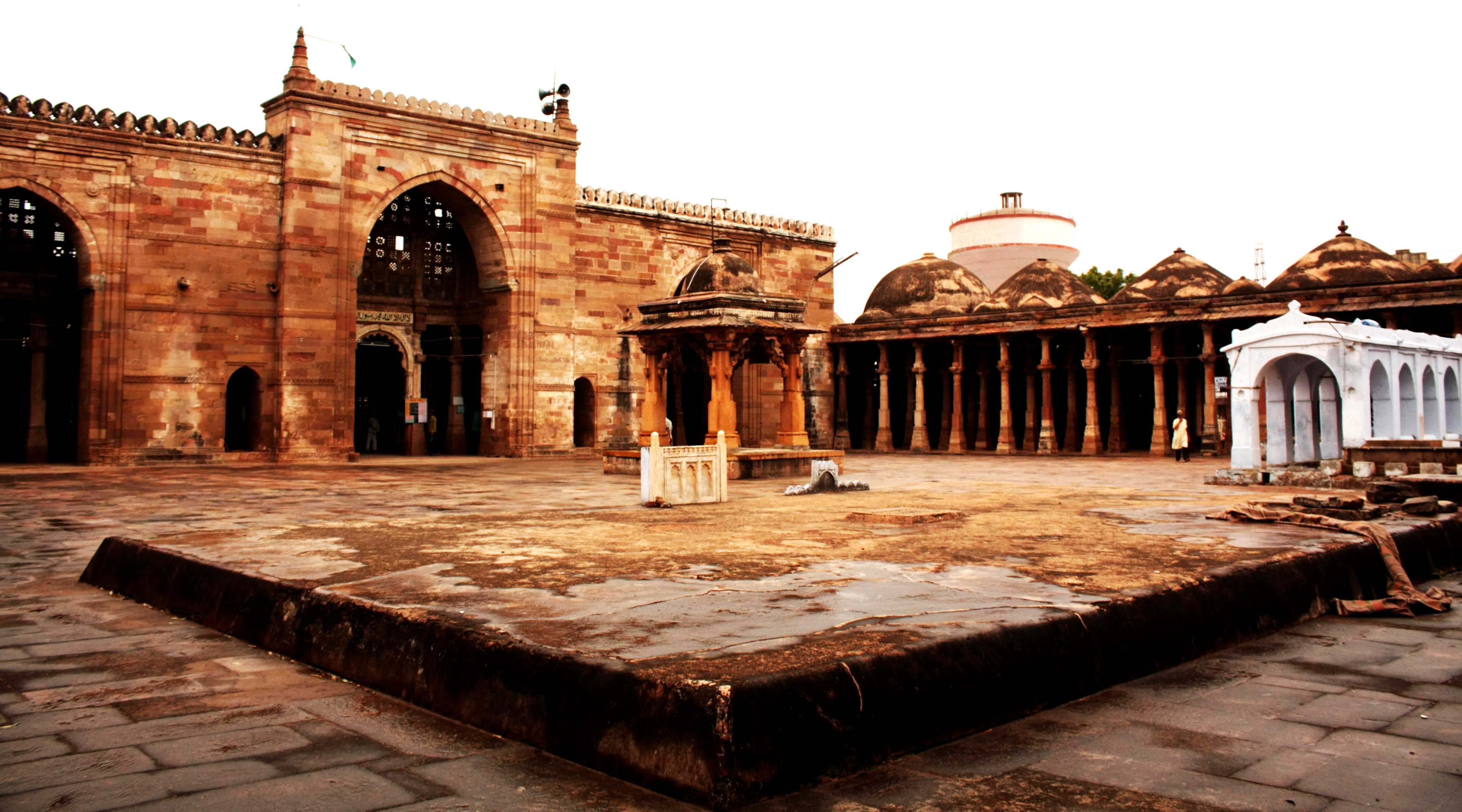
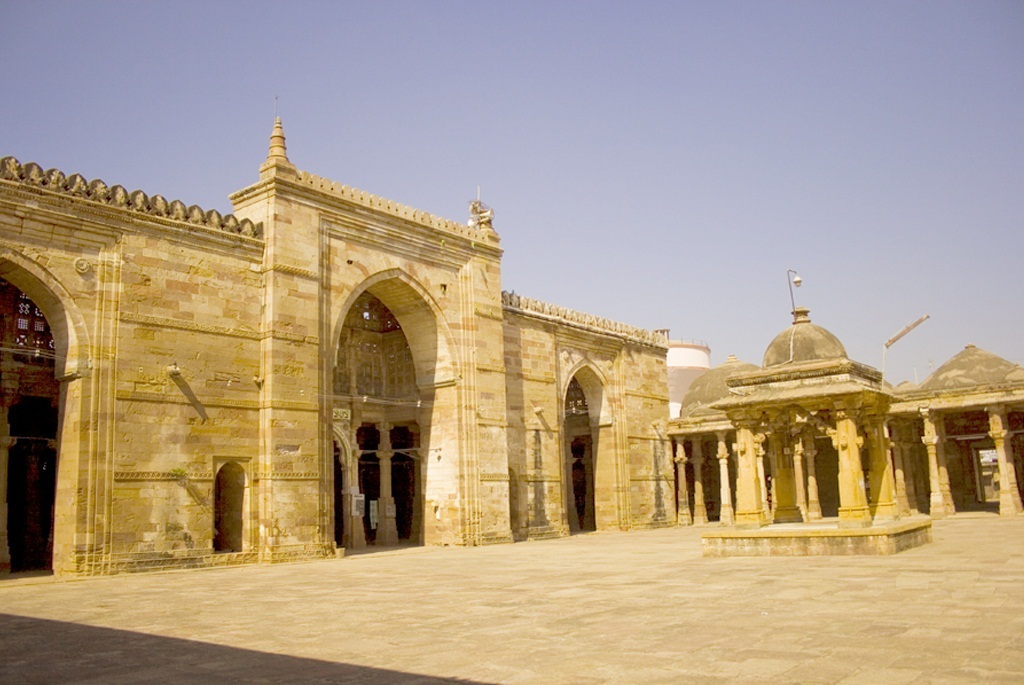
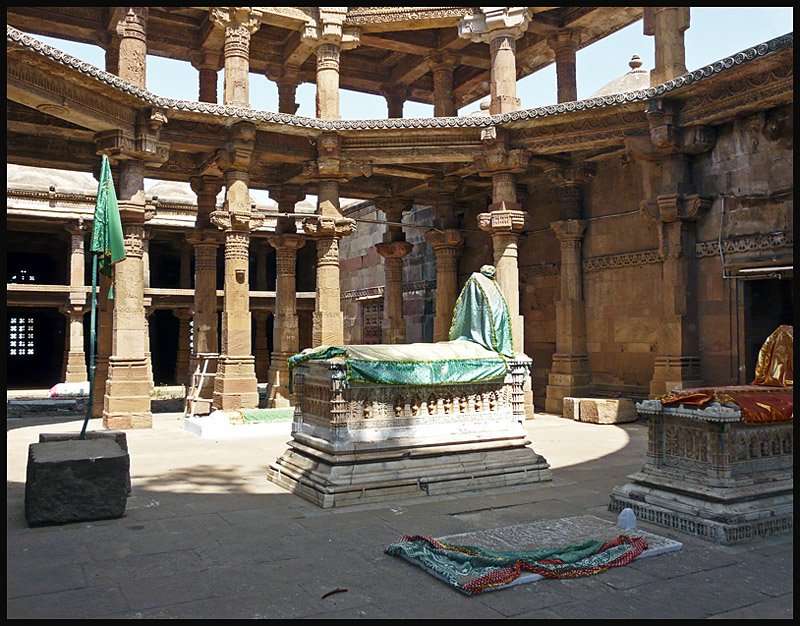
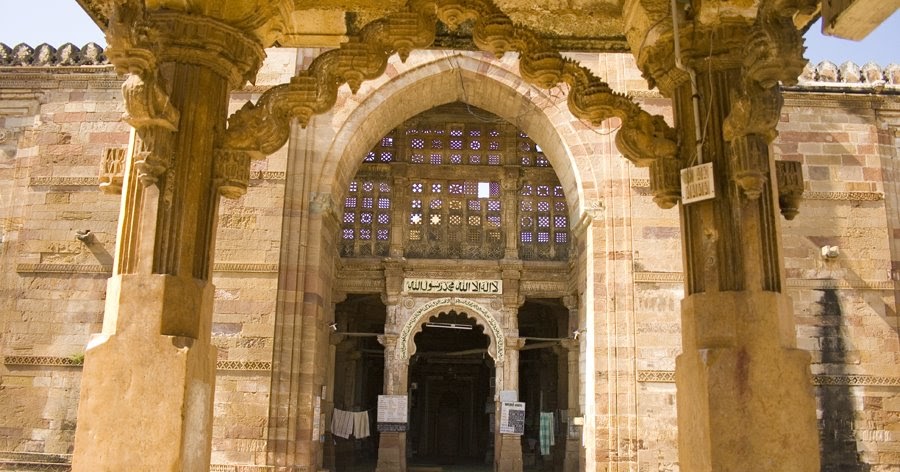
The Jami Mosque in Khambat, Gujarat, is indeed a historic and significant monument. Built in 1325, it holds a prominent place as one of the oldest Islamic structures in the region. The mosque was constructed during the Gujarat Sultanate era, showcasing the architectural style of that period, which blends elements of Persian, Central Asian, and Indian traditions. The Nearest Bus Stand - GSRTC Bus Station , Nearest Railway Station - Khambhat (CBY) Railway Station Nearest Airport- Vadodra Airport
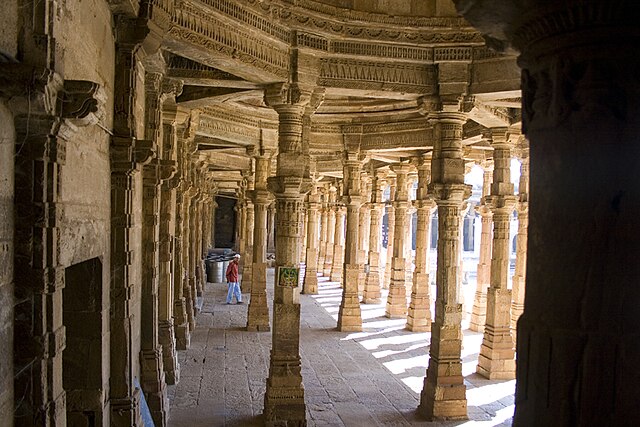
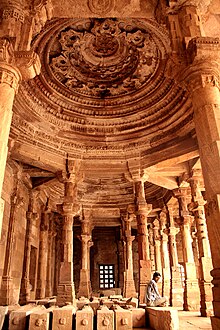
The mosque, built in 1325 by Umar bin Ahmad al-Kazaruni, a prominent businessman from the town, holds significant historical and architectural value. As a congregational mosque, it marks the beginning of Islamic architecture in Gujarat and is a prime example of Indo-Islamic architectural fusion. The mosque stands out for its unique style, notably lacking the traditional minarets commonly seen in Islamic structures. Instead, it features distinctive toranas (decorative arches) in the central arches, which are representative of the architectural style prevalent during the Gujarat Sultanate. This feature highlights the regional influence on the mosque?s design and differentiates it from other Islamic structures of the time. The mosque?s interior is marked by a vast open courtyard, supported by 100 columns, each serving as a pillar for the roof above. This design element reflects the typical Indo-Islamic use of columns and open spaces, providing a cool and spacious area for congregational prayer. The prayer hall itself is divided into numerous compartments, each crowned by low-domed roofs, which are an unusual and distinguishing characteristic of the mosque. These domes feature latticed windows, a hallmark of Gujarat's architectural style, allowing light to filter through and creating an interplay of light and shadow within the mosque. The columns within the mosque are arranged in two distinct rows, each consisting of 26 columns, which create a passage that separates the front wall from the first row of columns. Additionally, there are eight rows of six pillars, placed next to the facade, contributing to the overall structural stability and aesthetic balance. The mosque also includes arcaded entrances leading into the aisles, which are covered by a flat roof, further demonstrating the region?s architectural preferences. In the central portion of the mosque, some of the jambs, or vertical supports, rise to an impressive height of about 40 feet (12 meters), topped with sharp, elegant finials. These elements contribute to the mosque's grandeur and emphasize the verticality and sophistication of the design. The southern part of the mosque houses a colonnaded hall that contains the tomb of Umar bin Ahmad, the mosque's founder. Surrounding this tomb are smaller tombs dating back to the 14th and 15th centuries, which add to the historical significance of the site. In addition to its religious and architectural importance, the mosque also holds remnants of a fort constructed by the Mughal Emperor Akbar in the 16th century, which underscores the historical evolution of the site. The structure is adorned with numerous Quranic verses engraved on various parts of the tomb and mosque, further highlighting its sacred nature and cultural relevance. These inscriptions add layers of spiritual and artistic depth to the mosque, making it not only a place of worship but also a cultural monument reflecting the rich history of Gujarat's Islamic architecture.
Year of Built: 14th Century
Address: Jali Pol, Khambhat, Gujarat
Country: India
State: Gujarat
District: Anand
Pincode: 388620
Longitude: 72.6190
Latitude: 22.3181