
Indo Islamic Heritage


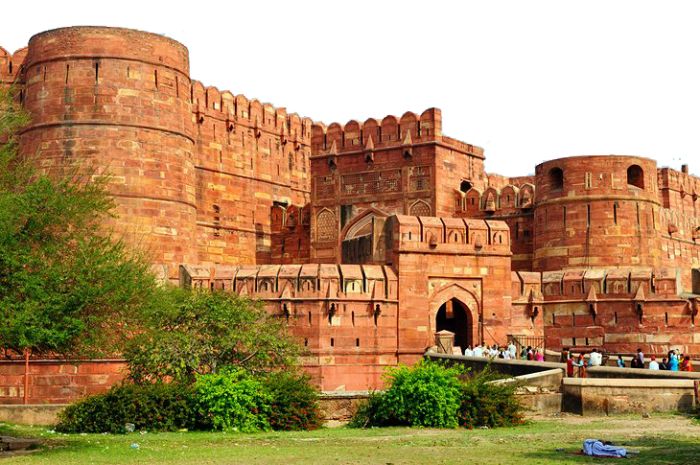
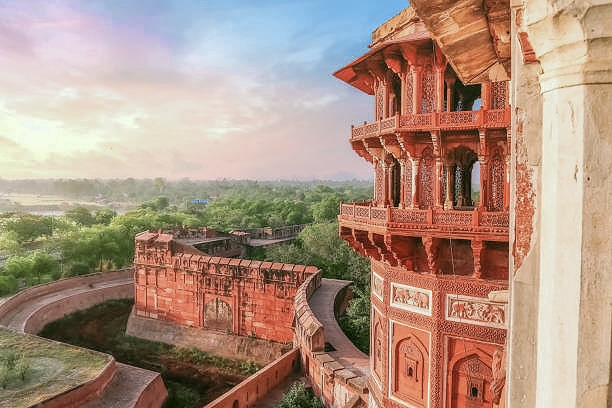
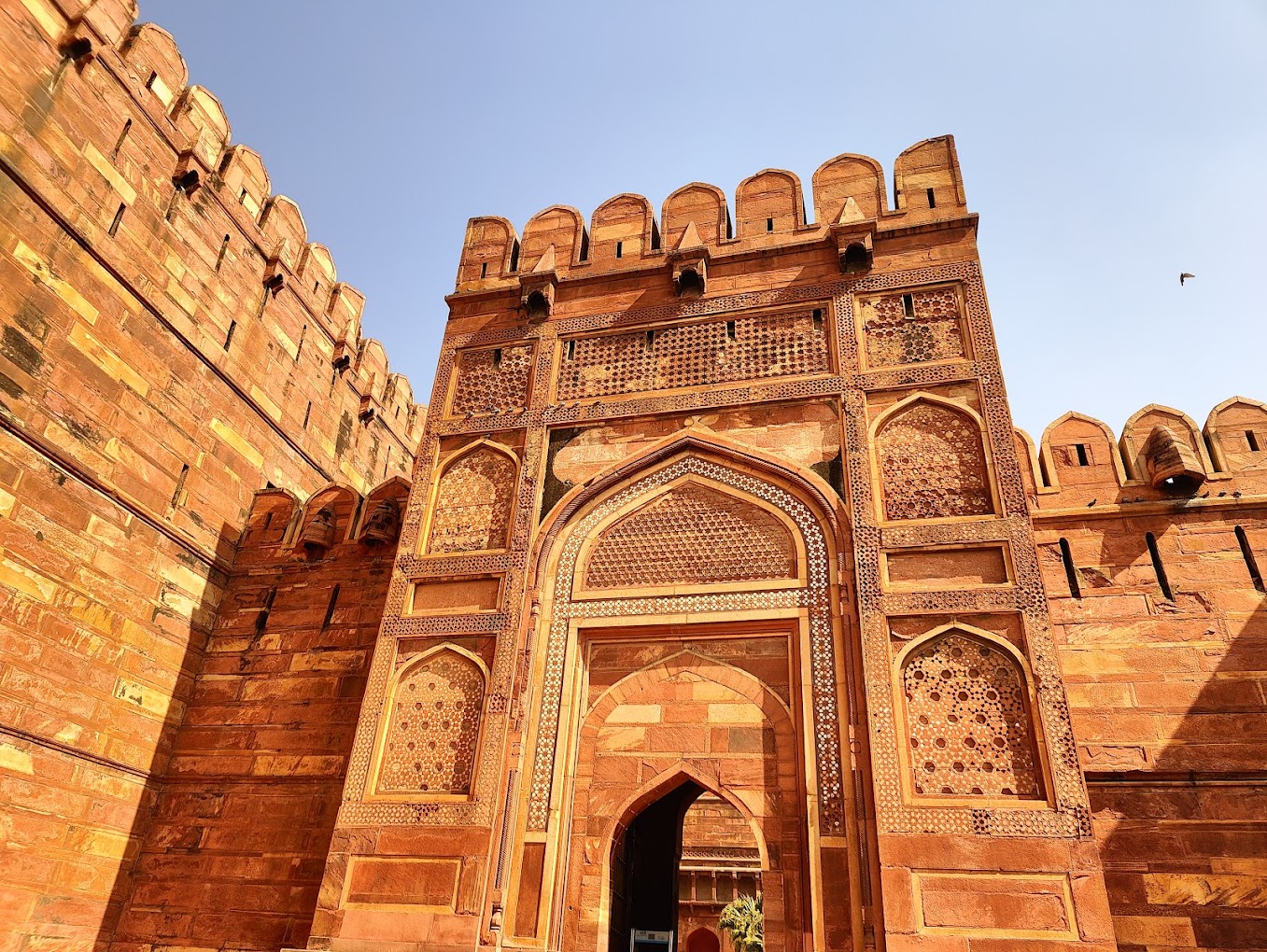
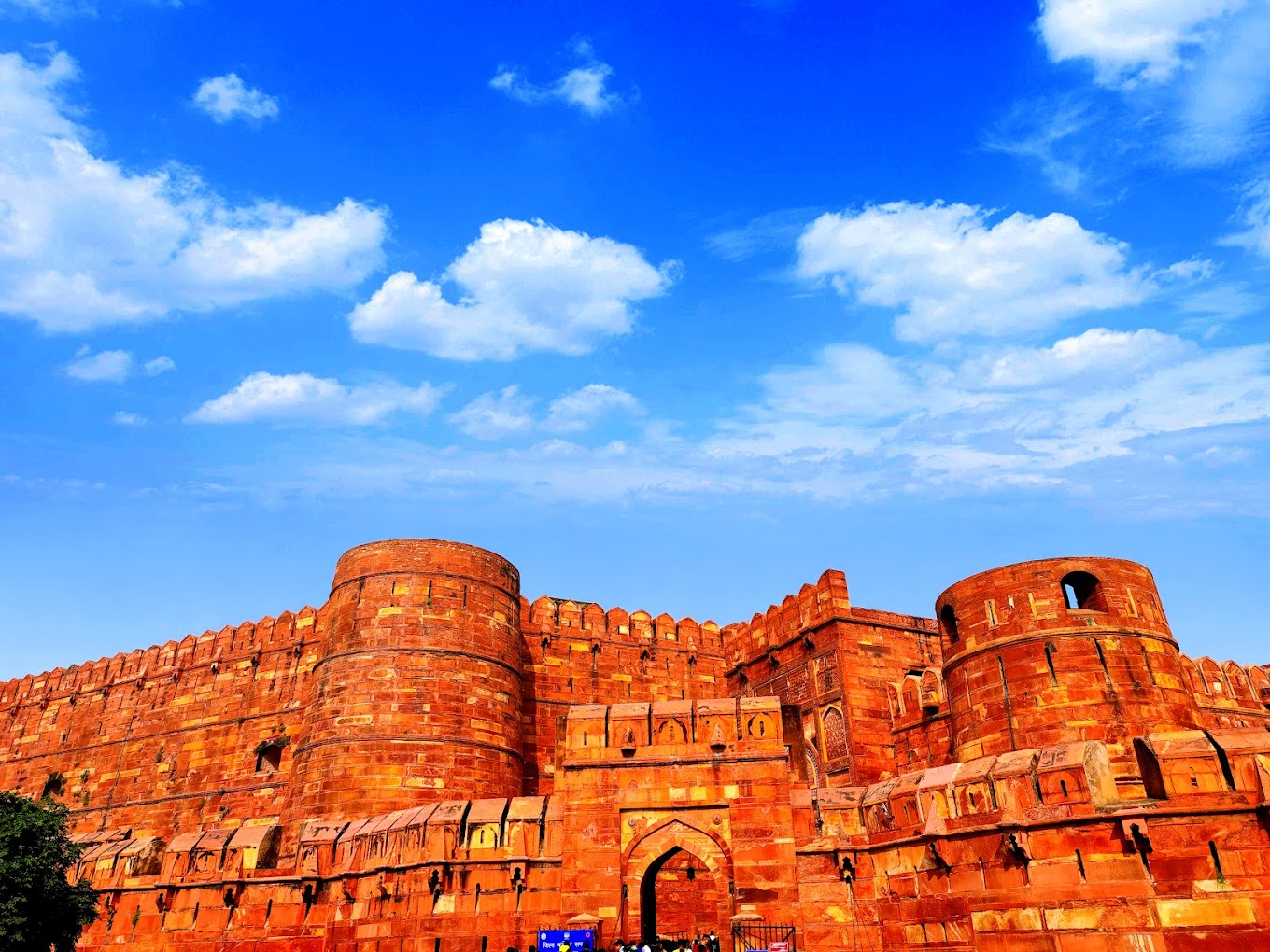
Agra Fort: The Majestic Fortress of India?s Royal Legacy In the heart of Agra, stands the imposing Agra Fort ? a monumental symbol of India?s rich history and regal past. A UNESCO World Heritage Site, Agra Fort is not merely a fortification; it is a testament to the grandeur of the Mughal Empire and a witness to the rise and fall of empires, love, and power. Nearest Railway Station: Agra Cantt Railway Station (Approx. 3 km from the Agra Fort) Nearest Bus Stand: Idgah Bus Stand, Agra (Approx. 6 km) Nearest Metro Station: The nearest metro station is Sikandra Metro Station (Approx. 8 km) Nearest Airport: Agra Airport (Kheria) (Approx. 9 km)
Situated on the banks of the Yamuna River, just a short distance from the Taj Mahal, Agra Fort stands as a monumental symbol of India?s royal heritage. A UNESCO World Heritage Site, this magnificent red sandstone fortress was once the center of Mughal power, serving as both a military stronghold and a royal residence. Its grand architecture, rich history, and strategic importance make it a must-visit destination for anyone seeking to understand the splendor and complexity of India's Mughal past. Historical Background: Agra Fort was originally constructed by Emperor Akbar in 1565 as a military base, but over time it evolved into a luxurious royal palace. Akbar expanded the fort, turning it into a magnificent fortress surrounded by massive walls, gates, and an elaborate system of courtyards. The fort?s role as the Mughal capital was further enhanced by Akbar?s successors, notably Shah Jahan, who added marble palaces and exquisite gardens to its complex. Notably, it was in this very fort that Emperor Shah Jahan was imprisoned by his son, Aurangzeb, in 1658. It is said that Shah Jahan spent his last years in the Musamman Burj (octagonal tower), from where he could view the Taj Mahal, the mausoleum he had built for his beloved wife Mumtaz Mahal. This poignant connection between the two monuments speaks volumes about the enduring love that defined Shah Jahan?s reign. Architectural Features: Agra Fort is a sprawling fortress that covers around 94 acres and is surrounded by high, defensive walls made of red sandstone. The fort?s design blends military fortifications with the grandeur of Mughal architecture, showcasing both strength and elegance. The Delhi Gate and Amar Singh Gate are the main entrances to the fort, both displaying the grandeur of Mughal engineering. Inside the fort, you will find several impressive structures, including: Jahangir Mahal: Built by Akbar, this palace is a beautiful example of Mughal design, with intricate carvings, delicate marble inlay work, and expansive courtyards. It was originally constructed for Akbar?s queens and royal family. Diwan-i-Khas: The Hall of Private Audience, where the emperor would meet with important visitors and officials. The hall features a central marble throne and fine detailing, showcasing the Mughal Empire?s wealth and refinement. Sheesh Mahal (Palace of Mirrors): This palace, renowned for its dazzling mirror work, was used by the royal family for leisure and relaxation. The mirrored walls create a breathtaking visual effect when light reflects off them. Moti Masjid (Pearl Mosque): A serene and simple white marble mosque, located within the fort, it stands as a symbol of spiritual purity amidst the grandeur of the palace complex. Musamman Burj: The octagonal tower where Shah Jahan was imprisoned. It offers a stunning view of the Taj Mahal, adding a layer of historical poignancy to the visit. The fort?s layout is a mix of military architecture, such as thick defensive walls, and royal comforts, with expansive gardens, palaces, and mosques designed to reflect the opulence of Mughal royalty. Agra Fort is a stunning masterpiece of Mughal architecture, showcasing the might, opulence, and cultural heritage of the Mughal Empire. It offers a unique blend of military strength and royal luxury, with each section of the fort telling its own story of power, love, and ambition. A visit to Agra Fort is not just a walk through history; it is an immersive experience that allows you to witness the grandeur of the Mughal era up close. For history enthusiasts, architecture lovers, and those fascinated by the legacy of India?s royal dynasties, Agra Fort is an essential destination that brings the past to life in all its magnificence.
Year of Built: 1565-1573, later renovated by Shah Jahan
Address: Agra Fort, Rakabganj, Agra, Uttar Pradesh 282003
Country: India
State: Uttar Pradesh
District: Agra
Pincode: 282003
Longitude: 78.0081? E
Latitude: 27