
Indo Islamic Heritage


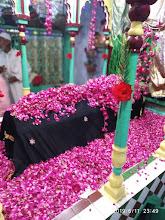
The shrine of Hazrat Mastan Shah Baba in Marwari Ganj, Bareilly, is a modest local Sufi dargah dedicated to a revered 20th-century saint known for his spiritual guidance and devotion. It serves as a serene place of prayer and reflection for the local Muslim community, featuring a simple mosque structure where devotees offer chadar and participate in qawwali during the annual Urs. Established in the early 20th century, it embodies the Sufi tradition of humility and interfaith harmony in Uttar Pradesh's Rohilkhand region.
Nestled in the bustling Marwari Ganj neighborhood of Bareilly, Uttar Pradesh, the Dargah of Hazrat Mastan Shah Baba stands as a quiet testament to the enduring Sufi legacy in northern India. This local shrine, often simply referred to as Mastan Shah Baba Dargah, honors Hazrat Mastan Shah Miya (also known as Baba Mastan Shah), a devoted Sufi saint whose life exemplified piety, humility, and spiritual enlightenment. Born in the late 19th century, the saint was a scholar of the Quran and a practitioner of the Chishti or Qadiri Sufi orders, drawing followers through his teachings on love, tolerance, and divine remembrance (dhikr). He settled in Bareilly, a city renowned for its Islamic scholarship, and passed away in 1904, after which his modest tomb was erected as a focal point for worship. The shrine itself is an unpretentious edifice, characteristic of many local dargahs in the region. At its heart is a small mosque with whitewashed walls and a green dome symbolizing paradise in Islamic architecture. The interior features the saint's mazar (tomb), adorned with embroidered chadars (offerings) from devotees, intricate jaali work for ventilation, and calligraphic inscriptions of Quranic verses praising divine mercy. Adjacent prayer halls (hujras) allow for daily namaz, with the mihrab oriented toward the Kaaba. Unlike grander sites like Bareilly Sharif, this dargah emphasizes simplicity, fostering an intimate space for personal supplication rather than large-scale gatherings. Annually, the Urs (death anniversary) commemorates the saint's union with the divine, typically in the Islamic month of Rabi' al-Thani, attracting locals for night-long qawwali sessions, sama (spiritual music), and communal feasts (langar). Devotees, primarily from Bareilly's trading communities in Marwari Ganj, visit to seek blessings for health, prosperity, and resolution of disputes, tying threads on the tomb as vows (mannat). The site's location in a vibrant market area underscores its role in blending spirituality with everyday life, promoting Sufi ideals of unity amid diversity. Historically, the dargah was built shortly after 1904 on land donated by local benefactors, reflecting the post-Mughal era's grassroots Sufism in Uttar Pradesh. It remains under the care of hereditary khadims (caretakers) who maintain its traditions. For visitors, the shrine offers a peaceful respite from Bareilly's urban pace, open daily from dawn to dusk, with heightened reverence on Thursdays and Fridays. This unassuming mosque-shrine continues to inspire quiet devotion, preserving the essence of India's pluralistic Islamic heritage.
Year of Built: Not Available
Address: Marwari Ganj, Bareilly, Uttar Pradesh 243005
Country: India
State: Uttar Pradesh
District: Bareilly
Pincode: 243005
Longitude: 79.4305° E
Latitude: 28.3675° N