
Indo Islamic Heritage


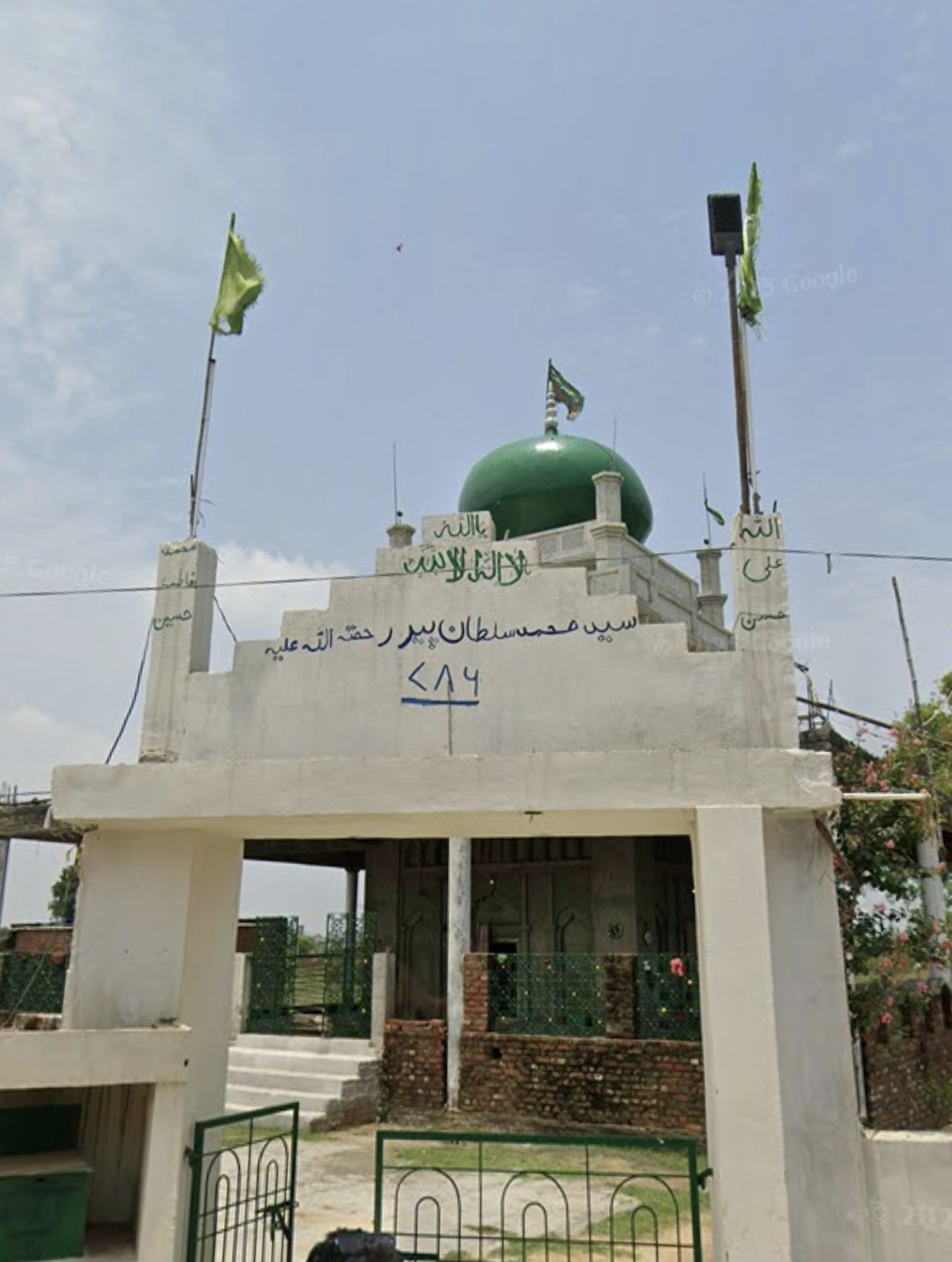
Neem Shah Dargah, a modest local Sufi shrine in Chandrapuram village near Bareilly, Uttar Pradesh, honors Hazrat Neem Shah, a revered 18th-19th century saint known for his spiritual teachings and devotion to the Chishti order. It serves as a serene site for prayers, qawwali sessions, and annual Urs celebrations, drawing local devotees seeking blessings for peace and healing. Built in the early 19th century, the shrine features simple Mughal-influenced architecture with a central tomb (mazar) and prayer hall.
Nestled in the quiet rural outskirts of Bareilly in the fertile Rohilkhand region, Neem Shah Dargah stands as a humble yet spiritually vibrant testament to India's rich Sufi heritage. This local shrine, dedicated to the memory of Hazrat Neem Shah (also revered as Baba Neem Shah Chishti), embodies the essence of grassroots Islamic devotion, where simplicity meets profound faith. Unlike the grander urban dargahs of Bareilly, such as the iconic Bareilly Sharif, Neem Shah Dargah remains a community focal point, primarily visited by villagers from Chandrapuram and surrounding hamlets for daily supplications and seasonal gatherings. Hazrat Neem Shah, born in the late 18th century into a family of Sufi scholars, was a disciple of the Chishti silsila (spiritual lineage), emphasizing love, tolerance, and service to humanity. Historical accounts from local oral traditions and regional Sufi texts describe him as a wandering fakir who settled in Chandrapuram around 1800, performing miracles like healing the afflicted through herbal remedies (earning the "Neem" moniker from his use of neem leaves in treatments) and resolving village disputes with wisdom drawn from the Quran and Hadith. His teachings focused on inner purification (tazkiya) and devotion to the Prophet Muhammad (PBUH), aligning with the broader Barelvi-Sufi ethos prevalent in Uttar Pradesh. Upon his passing in the early 1800s, his followers constructed the dargah as a mazar (tomb-shrine) to preserve his legacy, with expansions in the mid-19th century to include a small mosque for congregational prayers. Architecturally, the dargah reflects understated Mughal influences adapted to local resources. The core structure comprises a whitewashed square mausoleum topped with a modest dome, adorned with intricate chikankari jaali work on the windows for ventilation and aesthetic appeal. Adjacent is a compact mosque (masjid) with a mihrab facing Mecca, capable of accommodating about 100 worshippers. The courtyard, paved with red sandstone, features a central fountain for ritual ablutions (wudu) and is often shaded by neem trees—symbolizing the saint's affinity for the plant. During the annual Urs (death anniversary commemoration) in late winter, the site comes alive with qawwali performances, naat recitations, and communal feasts (langar), fostering interfaith harmony as Hindu neighbors join in the festivities. Located at approximately 28.45°N, 79.30°E in Chandrapuram—a village 12 km northwest of Bareilly city center—the dargah is easily accessible via State Highway 37. Its pincode, 243201, falls under the Bareilly Head Post Office jurisdiction, with the full address being Chandrapuram Village, Bareilly Tehsil, Bareilly District, Uttar Pradesh, India. The shrine's construction dates to the early 1800s, shortly after the saint's wafat (demise), making it a contemporary of other Rohilkhand Sufi sites amid the post-Mughal transition under British influence. Today, maintained by a trust of descendants and local devotees, it continues to offer solace amid Bareilly's evolving urban landscape, underscoring the enduring role of such shrines in preserving Islamic spiritual traditions in rural India.
Year of Built: Not Available
Address: 89RP+QRQ, Chandra Puram Colony, Bareilly, Uttar Pradesh 89RP+QRQ, Chandra Puram Colony, Bareilly, Uttar Pradesh 243004
Country: India
State: Uttar Pradesh
District: Bareilly
Pincode: 243006
Longitude: 79.30°E
Latitude: 28.45°N