
Indo Islamic Heritage


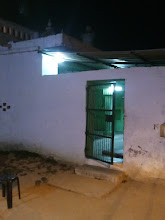
Jama Masjid in Jamohara, Basti, is a prominent Friday mosque serving the local Muslim community in this eastern Uttar Pradesh town. Characterized by traditional Indo-Islamic design with arched entrances and a simple prayer hall, it stands as a key religious site in the region, hosting congregational prayers and community gatherings. The structure reflects modest Mughal-inspired architecture typical of smaller district mosques, built with local brick and lime mortar.
Nestled in the heart of Jamohara, a village in Basti district, the Jama Masjid exemplifies the enduring Islamic architectural heritage of rural Uttar Pradesh. Constructed during the transitional period of Mughal decline and Nawabi rule in the late 18th to early 19th century, the mosque was likely commissioned by local Muslim patrons or zamindars to cater to the growing community in the fertile Gangetic plains. Basti, historically part of the Awadh region, saw the establishment of such mosques as centers for worship and social cohesion amid agricultural prosperity. The mosque's layout follows the standard congregational format: a spacious open courtyard surrounded by cloisters for devotees, leading to a covered prayer hall (sahn) oriented towards the qibla. The facade features cusped arches and minimalistic minarets, constructed primarily from locally sourced bricks plastered with lime surkhi, a technique common in regional Islamic buildings for durability in the humid climate. While not as grand as imperial mosques like those in Agra or Lucknow, its unadorned domes and geometric motifs on the mihrab (prayer niche) evoke the simplicity and functionality of provincial Indo-Islamic style, blending Persian influences with indigenous craftsmanship. As an active place of worship, Jama Masjid accommodates daily namaz and special Friday jumu'ah prayers, drawing residents from Jamohara and nearby villages. Its elevated plinth protects against seasonal flooding from the adjacent Kuwana River, underscoring practical adaptations to the local terrain. Though lacking elaborate inscriptions or marble inlays, the mosque's enduring role in community life—facilitating religious education through attached madrasa spaces—highlights its significance beyond architecture. Preservation efforts by local waqf authorities ensure it remains a vital link to Basti's Islamic history, free from modern encroachments that plague many similar sites. Visitors are welcomed outside prayer times, offering a serene glimpse into everyday devotional practices in this understated historical gem.
Year of Built: Not Available
Address: RQC8+2Q5, Unnamed Road, Jamohara, Basti, Uttar Pradesh 272001
Country: India
State: Uttar Pradesh
District: Basti
Pincode: 272001
Longitude: 82.7595° E
Latitude: 26.8132° N