
Indo Islamic Heritage


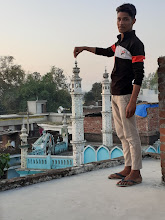
Jama Masjid in Bhausinghpur, Basti district, Uttar Pradesh, is a modest yet historically significant local mosque serving the Muslim community in a rural setting. Constructed during the Mughal era, it reflects simple Indo-Islamic architecture typical of regional prayer halls in eastern Uttar Pradesh. It remains an active site for daily prayers and community gatherings, embodying the enduring Islamic heritage of the Basti region.
The Jama Masjid of Bhausinghpur stands as a quiet testament to the spread of Islam in the fertile plains of eastern Uttar Pradesh during the Mughal era. Located in the small village of Bhausinghpur within Basti tehsil, the mosque is nestled amid agricultural fields and rural hamlets, far from the grandeur of urban Islamic monuments like those in Agra or Delhi. Basti district itself, named after its historical role as a "basti" or settlement, has roots in medieval Islamic influences, with the region witnessing the establishment of several small mosques and madrasas under Mughal governors in the 16th and 17th centuries. Built around the mid-17th century, the mosque's construction aligns with the expansive outreach of Mughal Emperor Shah Jahan's reign (1628–1658), when local nawabs and zamindars commissioned prayer spaces to foster community worship in provincial areas. Though specific patron records are scarce—likely due to its local scale—the structure exemplifies vernacular Indo-Islamic design adapted to regional resources. The prayer hall features a rectangular layout with a flat roof supported by brick pillars and lime-plastered arches, allowing for natural ventilation in the humid subtropical climate. Simple mihrab (niche indicating Mecca's direction) and minbar (pulpit) adorn the qibla wall, crafted from local sandstone and stucco, without the ornate marble inlays seen in imperial mosques. Unlike larger counterparts, this Jama Masjid lacks towering minarets or expansive courtyards, prioritizing functionality for the village's modest congregation. Its orientation precisely toward the Kaaba underscores adherence to Islamic principles, and the surrounding compound includes a small ablution area fed by a hand pump, essential for wudu (ritual washing). Over centuries, it has withstood floods from the nearby Rapti River and socio-political upheavals, serving as a focal point for Jumu'ah (Friday) prayers and festivals like Eid. Today, it continues as a vibrant center for the local Sunni community, hosting Quran recitations and charitable iftars during Ramadan. Preservation efforts by the Uttar Pradesh Waqf Board have ensured its structural integrity, with recent repairs focusing on the dome-like canopy over the mihrab to prevent water ingress. For visitors interested in offbeat Islamic heritage, the mosque offers a serene glimpse into how Mughal architectural ethos permeated rural India, blending faith with the simplicity of village life. Access is straightforward via the Basti-Gorakhpur highway, making it an enriching stop for those exploring Uttar Pradesh's understated historical tapestry.
Year of Built: Not Available
Address: QP34+RCX, Bhausingh Pur, Uttar Pradesh 272002
Country: India
State: Uttar Pradesh
District: Basti
Pincode: 272002
Longitude: 82.752°E
Latitude: 26.788°N