
Indo Islamic Heritage


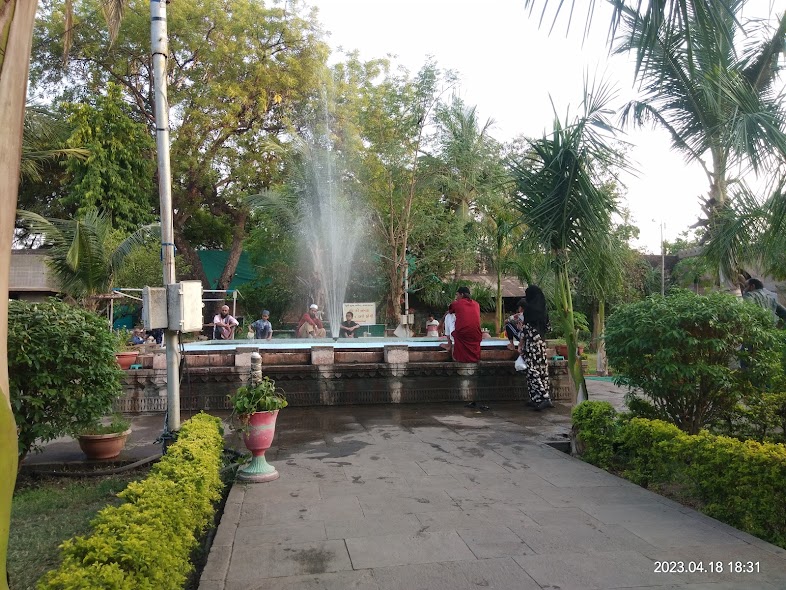
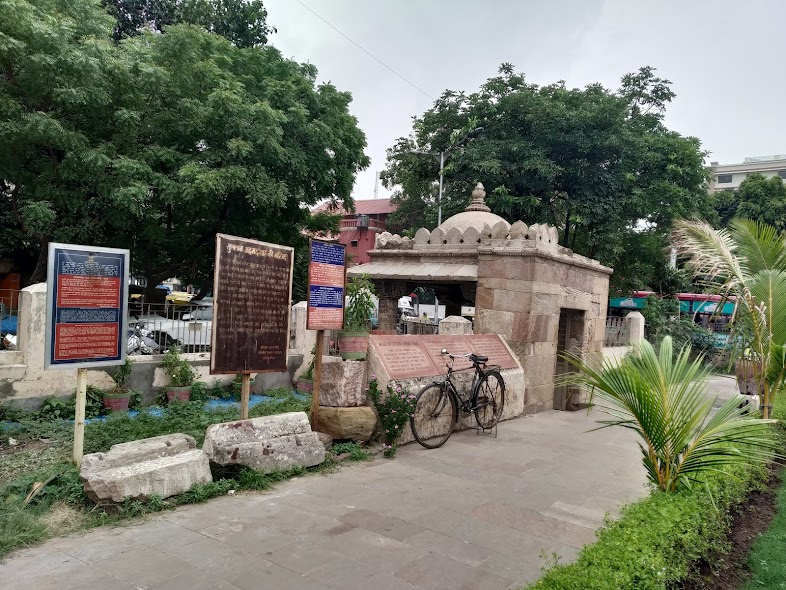
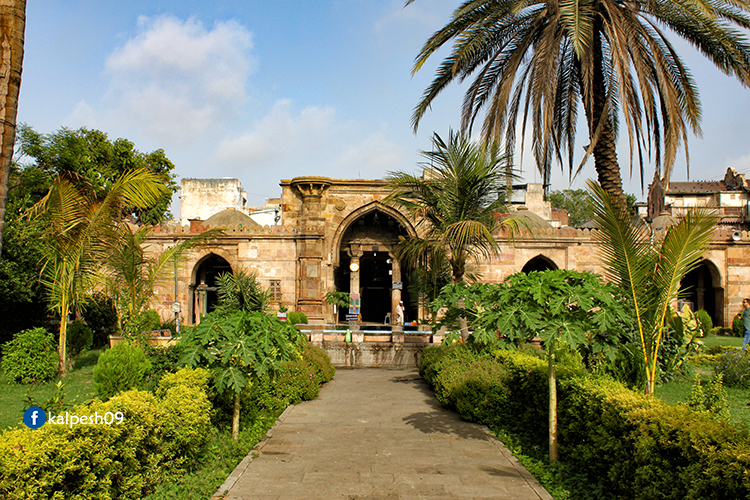
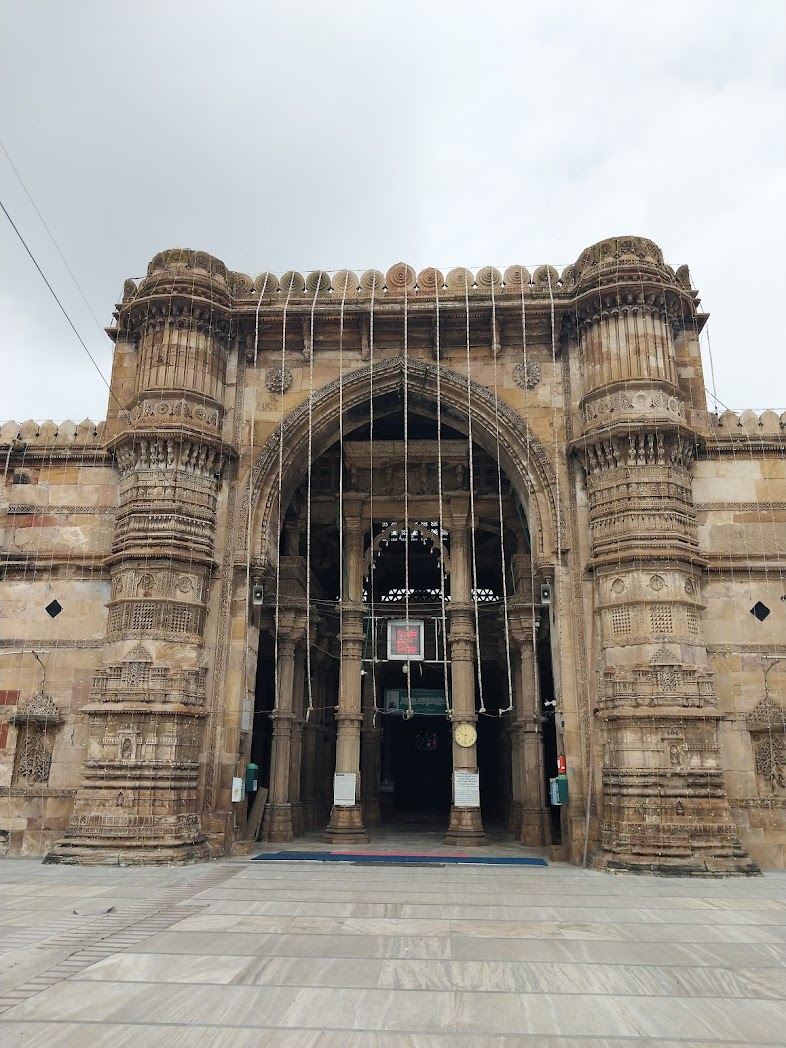
Ahmad Shah's Mosque, also known as Shahi Jam-e-Masjid or Juni Juma Masjid, holds the distinction of being the oldest mosque in Ahmedabad, Gujarat, India. It was built in 1414 CE by Sultan Ahmad Shah I, the founder of Ahmedabad, Nearest Railway Station - Ahmedabad Junction Railway Station Nearest Airport- Sardar Vallabhbhai Patel International Airport.
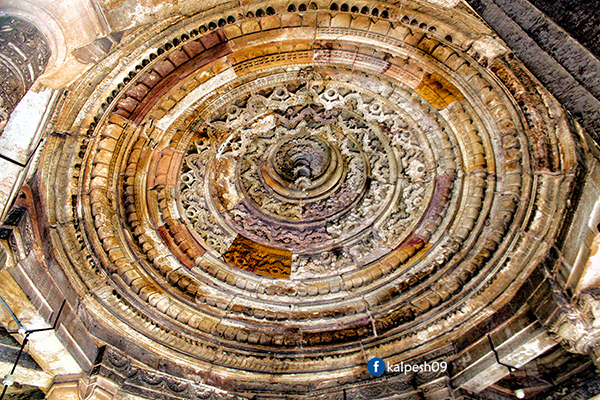
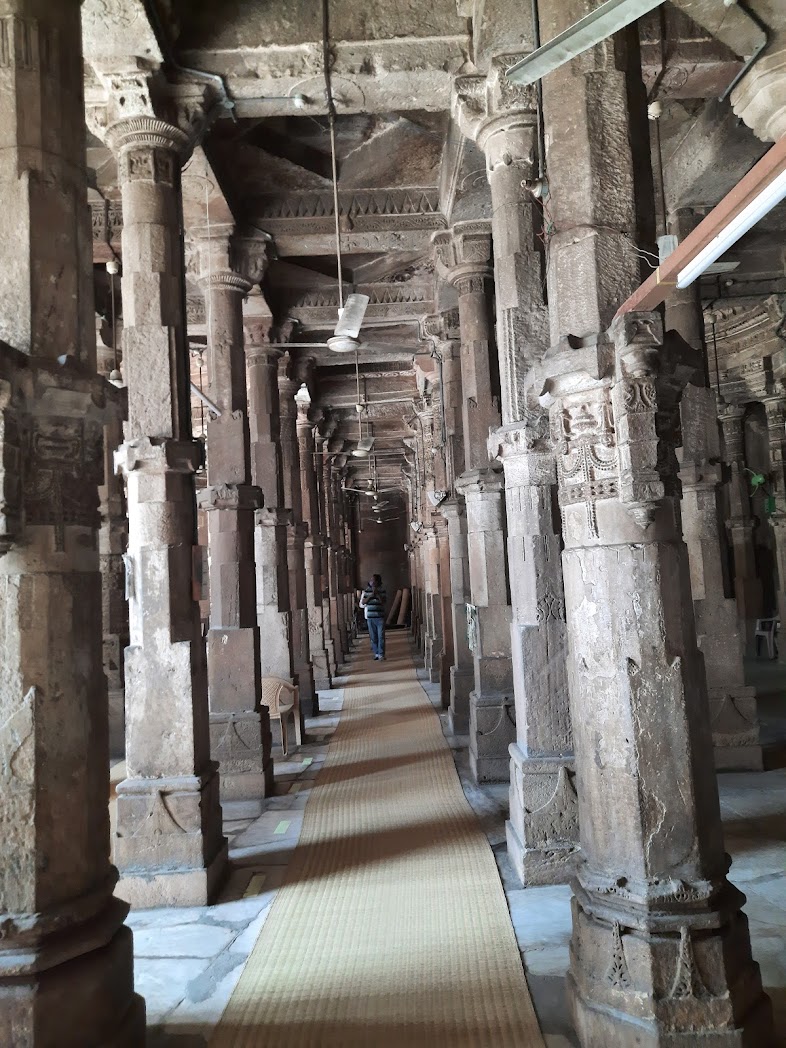
The mosque, constructed by Ahmad Shah I, the founder of Ahmedabad, in 1414, serves as a striking example of early 15th-century Indo-Islamic architecture. Historically significant, it is believed to have been the private mosque of the royal household, reflecting its exclusivity and importance. An inscription on the upper part of the central mihrab dates the mosque's foundation to the 4th day of the Islamic month of Shawwal in 817 AH, corresponding to December 17, 1414. This historical detail underscores its ancient origins and rich heritage. The mosque?s design incorporates exquisite materials and intricate craftsmanship. The pavement is crafted from pristine white marble, adding to the serene ambiance of the space. The pulpit, enclosed by a canopy, features a yellow marble balustrade intricately carved with leafy patterns, complemented by white marble steps that enhance its regal appearance. Spanning an area of 700 square meters, the mosque boasts an architectural layout comprising two rows of ten large domes surrounded by numerous smaller domes, creating a harmonious blend of scale and symmetry. Its structural integrity is supported by 152 intricately carved pillars, each showcasing remarkable artistry. The mosque's design includes four arched gateways, enhancing its accessibility and grandeur. Among its architectural highlights are eight perforated stone windows that allow soft, filtered light to permeate the interiors, and 25 finely carved pillars, which contribute to its aesthetic richness. Notably, many of the pillars inside the mosque were repurposed from Hindu and Jain temples, reflecting a syncretic architectural tradition. Some of these pillars retain carvings of Hindu figures, serving as a testament to the cultural amalgamation prevalent during the period. One particular pillar bears an inscription in Old Gujarati, dated to 1252 CE, from the reign of Vīsaladeva Vāghelā. This inscription identifies the pillar?s origin as being from a temple dedicated to Uttareśvara, located in Mahiṁsaka, a yet-to-be-identified locality in North Gujarat. Adding to the mosque?s historical significance is the courtyard mound known as Ganj Shahid, or the Martyrs' Mound. This site is said to be the burial ground of warriors who sacrificed their lives in Sultan Ahmad Shah?s early battles. The mound serves as a poignant reminder of the struggles that marked the establishment of his rule. Collectively, the mosque stands as a symbol of Ahmed Shah I?s legacy, blending spiritual significance with architectural splendor, while encapsulating layers of cultural, historical, and artistic narratives.
Year of Built: 14th Century
Address: 2220, National Highway 8A, Lal Darwaja, Ahmedabad, Gujarat
Country: India
State: Gujarat
District: Ahmedabad
Pincode: 380001
Longitude: 72.579108
Latitude: 23.022637