
Indo Islamic Heritage


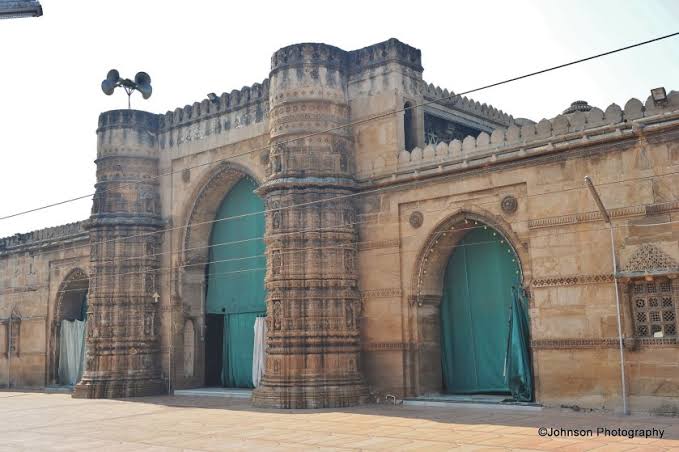
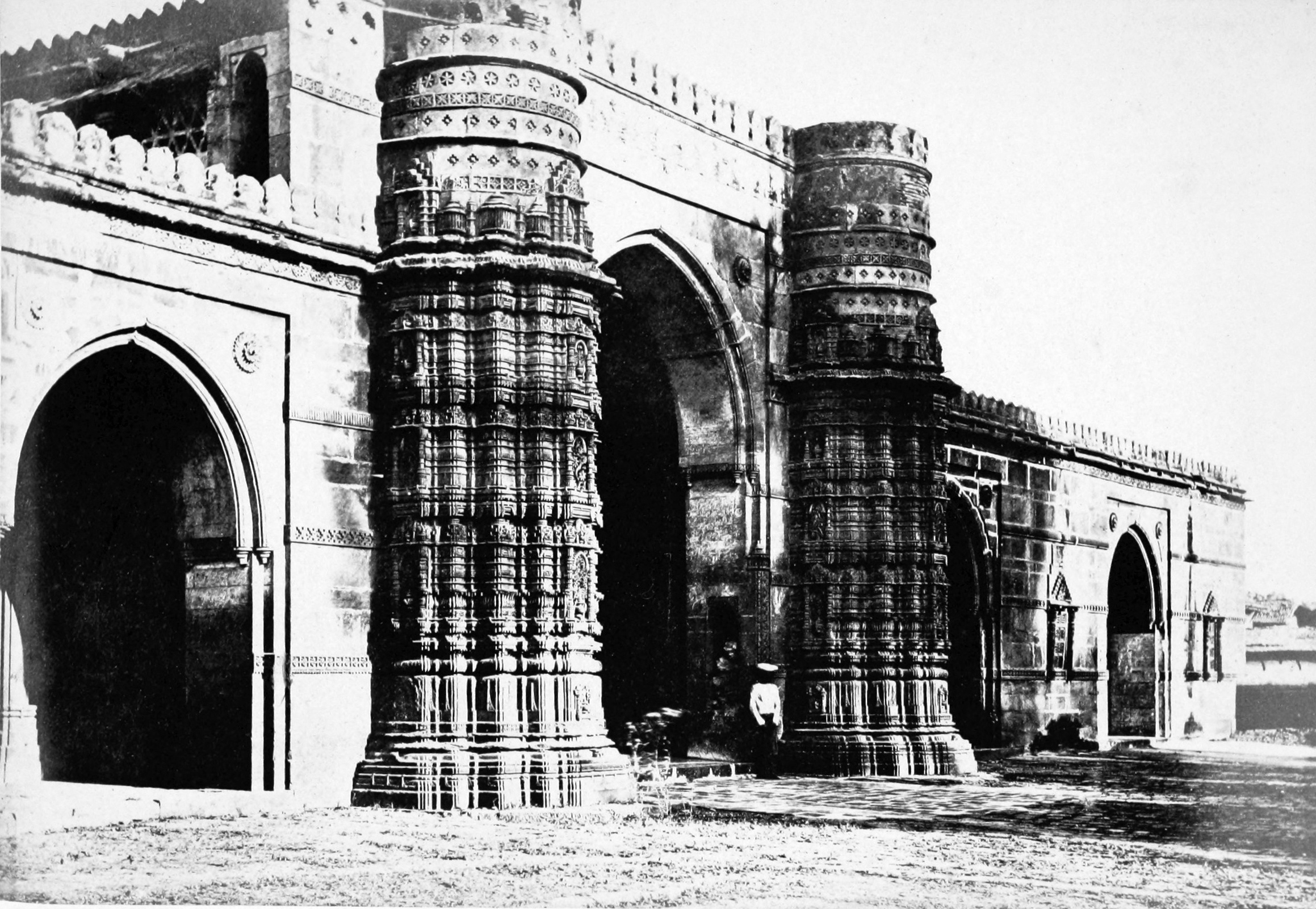
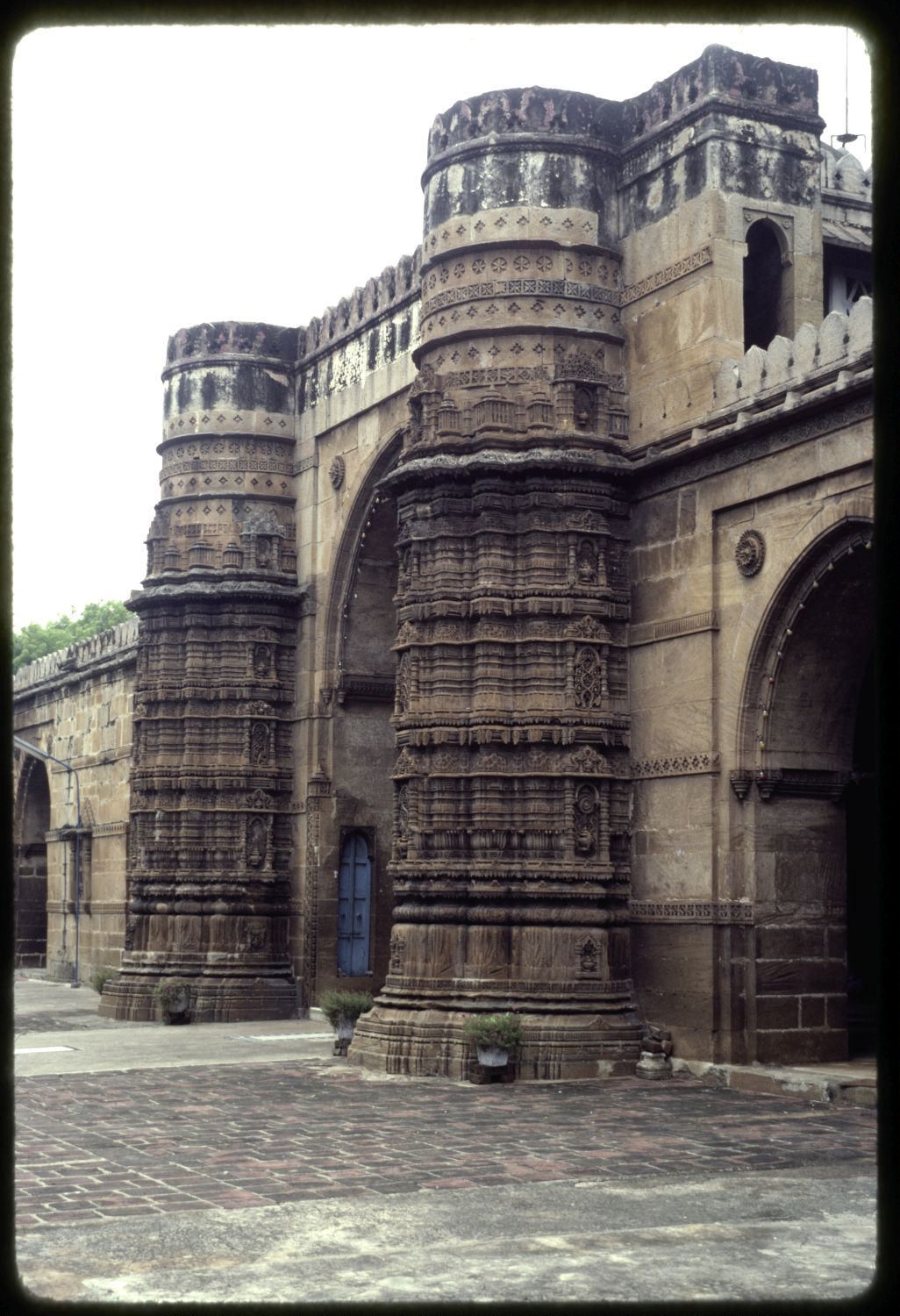
Qutb al-Din Shah Masjid is a significant historical mosque located in the Ahmedabad district of Gujarat, India. Built in 1449, it was commissioned during the reign of Sultan Qutb al-Din Ahmad Shah, who was a ruler of the Gujarat Sultanate. This mosque is an excellent example of Islamic architecture from the medieval period and is distinct from the Masjid Qutbuddin Ahmad Shah, which was built in 1414.
The mosque?s architectural design features a distinctive vertical division with panels adorned with floral patterns on the front side of each buttress, adding to its intricate ornamentation. On the Western (Qibla) side, which faces the street, the buttresses are specifically arranged to mark the locations of the mihrabs within the prayer hall. The fa?ade of the building includes four windows on the front, and six windows at the back. These windows are recessed and enhanced with carved stone screens, contributing to the mosque's aesthetic elegance. Along the top of the building, a series of crenellations provides a characteristic feature, completing the mosque's regal appearance. The roofline of the mosque is dominated by a complex arrangement of domes. There are five large domes, each contributing to the architectural grandeur, alongside ten smaller domes that further accentuate the structure?s uniqueness. These domes are separated by flat interspaces, which are supported by a total of sixty pillars. The central dome stands out, being elevated on eight stellate pillars. This design allows the dome to rise one storey higher than the rest of the roof, adding to its prominence. However, some scholars have critiqued this design, arguing that the height of the dome was insufficient to achieve a harmonious proportion with the overall structure of the mosque. In front of the mosque, a large courtyard features a square cistern, which was used for ablution. Water was raised from this cistern using a traditional wheel mechanism, a necessary feature for ritual purification before prayer. Inside the mosque, the prayer hall is a space of religious significance and architectural refinement. It is equipped with five mihrabs, each featuring recesses that are either rectangular or semi-circular in shape, all made of stone. The main mihrab, however, is more elaborate, crafted from a combination of white and gray marble, offering a striking contrast with the surrounding stonework. A recently added inscription band on this mihrab gives details about the construction of the mosque, noting that it was built under the direction of Nizam, the son of Hallu Sultani. The prayer hall also contains a modest three-step minbar, which is used by the imam to deliver sermons during the prayer service. This minbar, while simple, adds to the functional beauty of the space, providing an essential feature for the mosque's use in daily worship.
Year of Built: 14th Century
Address: Sultan Qutbuddin Masjid,Old City, Gheekanta, Ahmedabad, Gujarat , India
Country: India
State: Gujarat
District: Ahmedabad
Pincode: 380001
Longitude: 72.58738
Latitude: 23.03533