
Indo Islamic Heritage


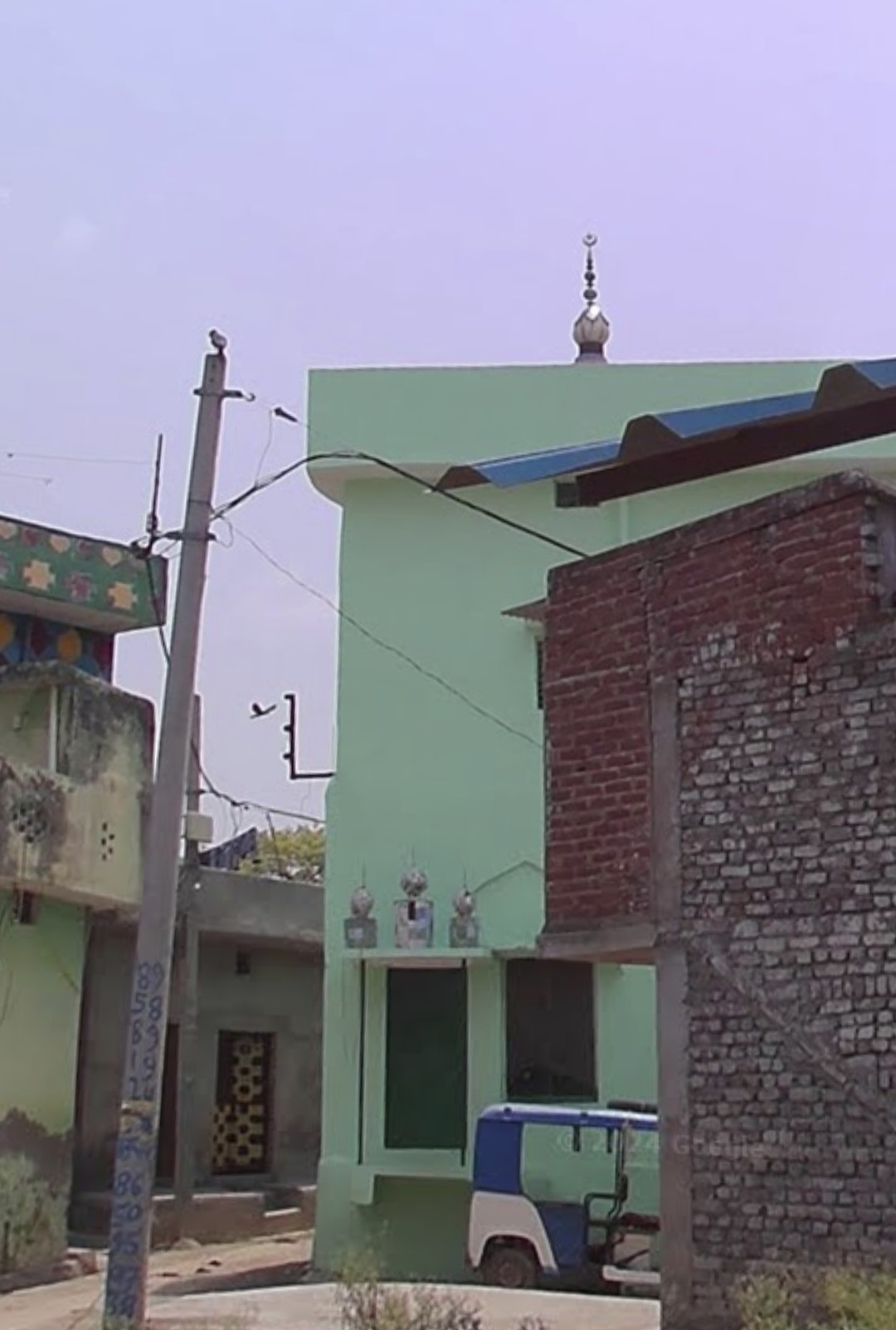
Bijnor Masjid in Kumhera is a modest local mosque situated in the rural village of Kumhera, Najibabad tehsil, Bijnor district, Uttar Pradesh. It serves as a community place of worship for the Muslim population in this agrarian area, reflecting the broader Islamic heritage of the Rohilkhand region, which flourished under Mughal and Rohilla influences from the 18th century onward. While specific architectural details are sparse, it embodies the simplicity of village mosques in northern India, with basic prayer halls and minarets typical of post-Mughal rural constructions.
Nestled in the verdant plains of western Uttar Pradesh, Bijnor Masjid in Kumhera stands as a quiet testament to the enduring Islamic traditions woven into the fabric of rural Rohilkhand. Kumhera, a small village in Najibabad tehsil, is part of Bijnor district—a region historically shaped by waves of Muslim rulers since the 14th century, when Timur's invasions marked its turbulent entry into Indo-Islamic history. By the early 18th century, the area came under the sway of the Rohilla Pashtuns, led by figures like Ali Mohammed Khan, who established semi-independent principalities and patronized mosque constructions as centers of faith and community life. Though records on Bijnor Masjid are limited, its origins align with this era, post-dating the grander urban mosques like Jama Masjid in nearby Bijnor city, built during Mughal times. The mosque's architecture, while not elaborately documented, follows the unadorned style common to village masjids of the period: a rectangular prayer hall oriented toward the qibla, supported by simple arches and possibly a single dome or flat roof. Local minarets, if present, would be modest and functional, echoing the practical designs influenced by Rohilla builders who blended Pashtun motifs with local Indo-Islamic elements. Unlike ornate urban counterparts such as Delhi's Jama Masjid (17th century), Bijnor Masjid prioritizes utility for daily namaz and Jumu'ah prayers, accommodating the village's predominantly agricultural Muslim residents. The surrounding Kumhera landscape, dotted with sugarcane fields and proximity to the Ganges (about 20-25 km west), enhances its serene setting, where the call to prayer resonates amid the rhythms of rural life. Historically, Bijnor's Islamic sites, including this masjid, trace their patronage to the Rohilla Nawabs, who controlled the region until British annexation in 1801. Under Rohilla rule, mosques like this one became hubs for religious education and social cohesion, fostering madrasas and charitable activities. The masjid's survival through colonial transitions and post-independence developments underscores its role as a living heritage site, though it remains lesser-known compared to district landmarks like Teli Wali Masjid or Hadishah in Bijnor town. Today, it continues to host community iftars during Ramadan and Eid celebrations, preserving the spiritual legacy of Uttar Pradesh's diverse Islamic tapestry without fanfare. For visitors seeking authentic rural piety, Bijnor Masjid offers a glimpse into the understated beauty of India's historical village mosques, far from tourist crowds.
Year of Built: Not Available
Address: C7VJ+JGX, Kumhera, Uttar Pradesh 246731
Country: India
State: Uttar Pradesh
District: Bijnor
Pincode: 246731
Longitude: 78.25°E
Latitude: 29.36°N