
Indo Islamic Heritage


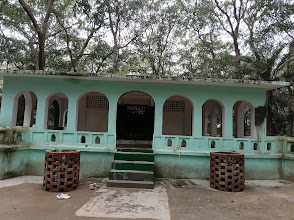
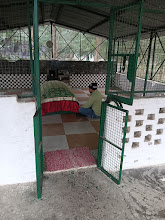
Dargah Sharif Mira Sawan Bade Peer Baba is a revered Sufi shrine located in Faridpur village, Bijnor district, Uttar Pradesh, India. Dedicated to the spiritual legacy of Bade Peer Baba (also known as Mira Sawan Baba), it serves as a sacred site for devotees seeking blessings and spiritual solace within the Sufi tradition. The dargah features a simple yet serene mausoleum structure typical of regional Islamic shrines, attracting pilgrims from nearby areas for its association with mystical healing and devotion.
The Dargah Sharif Mira Sawan Bade Peer Baba stands as a quiet testament to the enduring Sufi heritage in the rural heartlands of Uttar Pradesh. Situated in the village of Faridpur within Bijnor district, this shrine honors Bade Peer Baba, a revered Sufi saint locally known as Mira Sawan Baba, whose life exemplified the Chishti-influenced traditions of spiritual guidance, humility, and communal harmony. Faridpur, a modest agrarian settlement along the banks of the Ganges-influenced waterways, provides a tranquil backdrop that enhances the dargah's aura of introspection and prayer. Historical accounts, drawn from local oral traditions and regional Sufi chronicles, portray Bade Peer Baba as a wandering mystic of the 18th-19th century era, who settled in Faridpur after journeys across Rohilkhand—a region historically shaped by Rohilla Pashtun influences and Mughal legacies. Born into a humble family, he is said to have received spiritual initiation under lesser-known Chishti mentors, emphasizing practices like dhikr (remembrance of God) and sama (spiritual music). His teachings focused on inner purification and service to the poor, drawing followers from both Muslim and Hindu communities in an era marked by syncretic cultural exchanges. Upon his demise, devotees constructed the initial mausoleum over his grave, transforming it into a focal point for Urs celebrations, where qawwali sessions and communal feasts commemorate his urs (death anniversary) annually in the Islamic month of Rajab. Architecturally, the dargah embodies the understated elegance of Doab region's Islamic shrines. The central mazar (tomb) is housed within a domed chamber adorned with simple chhajja (eaves) and jaali (lattice) work, allowing natural light to filter through in patterns that evoke divine illumination. Surrounding it is a modest courtyard paved with red sandstone, flanked by arched verandas for pilgrims to rest and reflect. Marble mihrabs (prayer niches) inscribed with Quranic verses in elegant Thuluth script grace the interiors, while the outer walls bear faint traces of lime plaster frescoes depicting floral motifs—a nod to the syncretic artistry blending Persian and local Awadhi styles. No grand minarets or ornate minbars interrupt the site's humility, aligning with the saint's ethos of unadorned devotion. As a living spiritual center, the dargah maintains daily rituals including Fajr and Maghrib prayers led by hereditary khadims (caretakers), who trace their lineage to the saint's disciples. It remains a beacon for those seeking intercession for health and prosperity, with the saint's reputed karamat (miracles) recounted in whispered tales among visitors. In the broader tapestry of Uttar Pradesh's Islamic sites—from the grand Ajmer Sharif to quieter locales like this—the Dargah Sharif Mira Sawan Bade Peer Baba underscores the intimate, grassroots dimension of Sufism, fostering a legacy of peace amid the region's diverse tapestry. Pilgrims are encouraged to approach with pure intent, as the site's true essence lies in its call to silent communion with the divine.
Year of Built:
Address: 94C8+W2, Bijnor, Faridpur Kazi, Uttar Pradesh 246701
Country: India
State: Uttar Pradesh
District: Bijnor
Pincode: 246701
Longitude: 78.1333° E
Latitude: 29.3667° N