
Indo Islamic Heritage


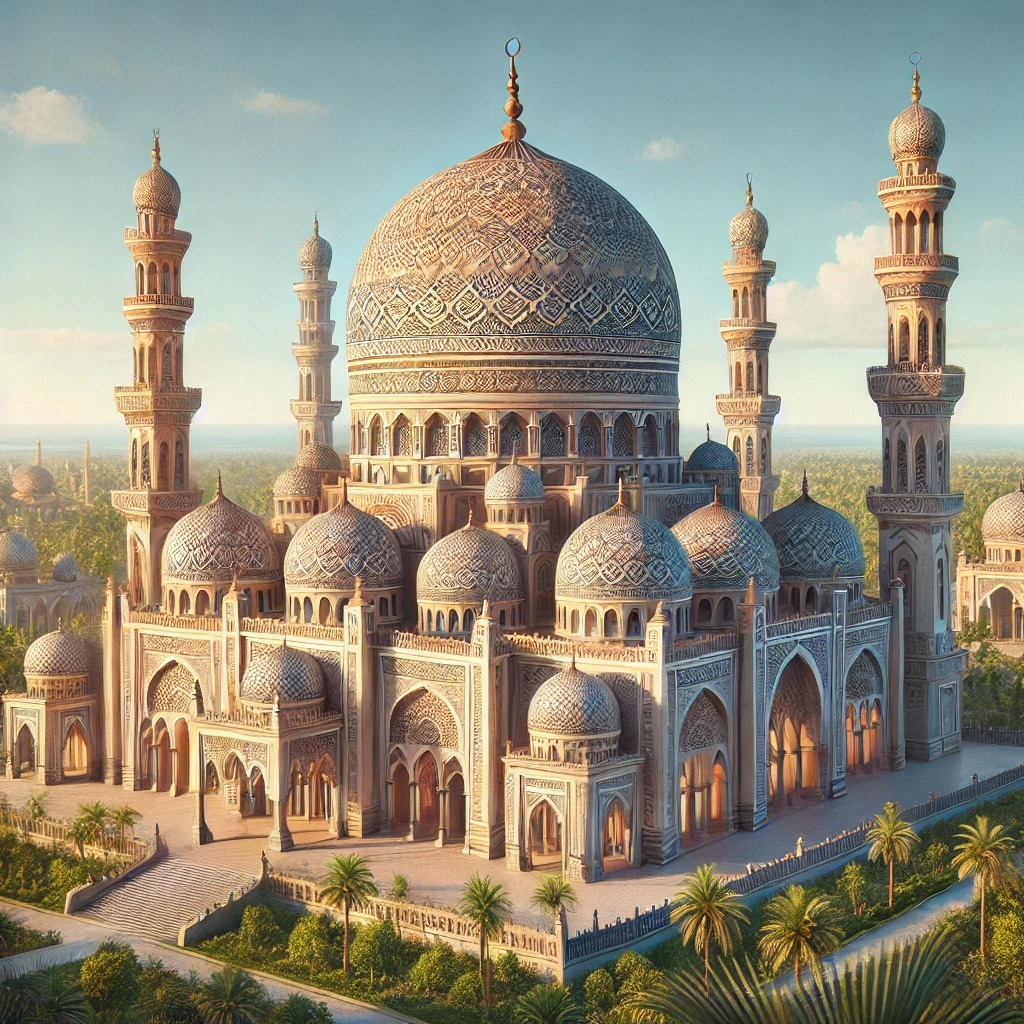
Jama Masjid Shamsi (also known as Masjid Menhdi in local references), located in Molvi Tola, Badaun, Uttar Pradesh, is a historic 13th-century mosque built by Sultan Iltutmish of the Delhi Sultanate in 1223 CE. Recognized as the third-oldest surviving mosque in India and a Monument of National Importance, it features Persian and Afghan architectural influences, a prominent central dome, and three grand gates, serving as a key site for daily prayers and communal worship.
Jama Masjid Shamsi stands as a testament to early Indo-Islamic architecture in northern India, constructed during the reign of Shamsuddin Iltutmish, the third ruler of the Mamluk dynasty (Delhi Sultanate), who oversaw its completion in 1223 CE. Inscriptions within the mosque confirm Iltutmish's patronage, with the structure erected during the governorship of his son, Rukn-ud-din Firuz. Originally the largest congregational mosque in the subcontinent until the completion of Delhi's Jama Masjid in the 17th century, it accommodated up to 23,500 worshippers and featured the country's largest mosque dome at the time—a massive central dome that dominates the skyline and symbolizes spiritual elevation. The mosque's design blends Persian and Afghan elements, evident in its robust sandstone and marble construction, intricate carvings on the walls, and expansive prayer hall. It comprises three principal gates: the main entrance on Shakeel Road, crafted from red marble and rising 30 meters high; a second gate in Farshori Tola; and a third in Sotha Mohalla. These gateways frame a serene courtyard that fosters a profound sense of peace, where the five daily namaz (prayers) continue uninterrupted, drawing local Muslim communities from Badaun's historic neighborhoods. As a protected heritage site under the Archaeological Survey of India, the mosque has undergone restorations in the 14th, 16th, and 19th centuries to preserve its structural integrity while retaining original features like the mihrab (prayer niche) and minbar (pulpit). Its elevated position in Molvi Tola, a scholarly quarter named for generations of maulvis (Islamic scholars), underscores Badaun's role as an early center of Islamic learning during the Sultanate era, with nearby madrasas and khanqahs (Sufi hospices) enhancing its cultural significance. Today, it remains a vibrant hub for religious observance, embodying the enduring legacy of Sultanate-era mosque architecture in Uttar Pradesh.
Year of Built: Not Available
Address: 24RC+7G8, Molvi Tola, Budaun, Uttar Pradesh 243601
Country: India
State: Uttar Pradesh
District: Budaun
Pincode: 243601
Longitude: 79.1250° E
Latitude: 28.0364° N