
Indo Islamic Heritage


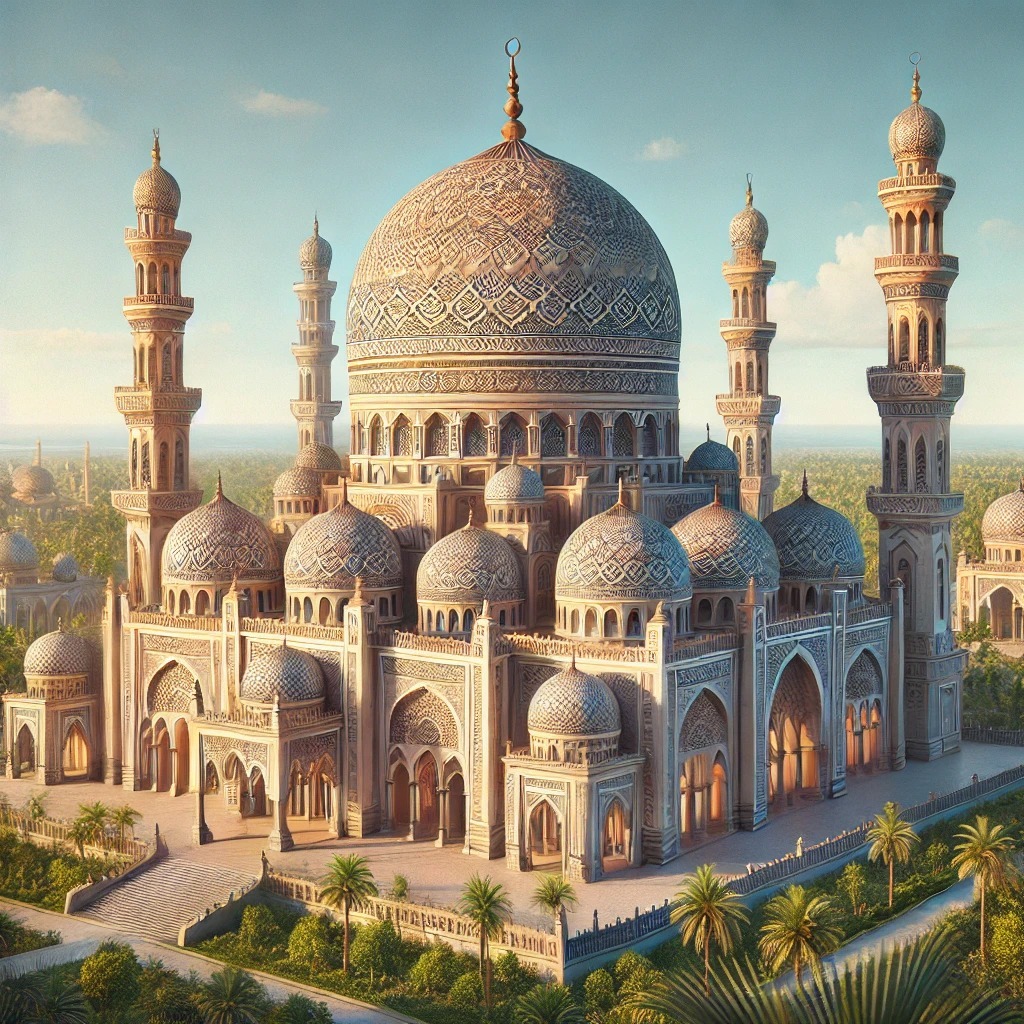
Masjid Hazrat E Ayesha Siddiqah R.T.A is a modest local mosque in the village of Katrabrahmpur, Badaun district, Uttar Pradesh, serving as a place of worship and community gathering for the Muslim residents of the area. Named after Hazrat Ayesha Siddiqah (R.A.), the revered wife of Prophet Muhammad (PBUH) and daughter of Abu Bakr Siddiq (R.A.), it reflects the deep Islamic heritage of Badaun, a historic center of Sufi learning dating back to the 13th century.
Badaun, located in the Rohilkhand region of Uttar Pradesh, has been a significant hub of Islamic scholarship and Sufism since the Delhi Sultanate era in the 13th century. During this period, the city attracted scholars and mystics from Central Asia, establishing numerous madrasas, khanqahs (Sufi hospices), and mosques. Prominent figures like Hazrat Nizamuddin Auliya, the renowned Sufi saint of Delhi, were born in Badaun around 1238 CE, underscoring its role as a cradle of Islamic learning in medieval India. While grander structures like the Jama Masjid Shamsi (built by Sultan Iltutmish in the early 13th century) dominate the historical narrative, smaller local mosques such as Masjid Hazrat E Ayesha Siddiqah R.T.A contribute to this legacy by serving rural communities in surrounding villages like Katrabrahmpur. Specific details on the construction of Masjid Hazrat E Ayesha Siddiqah R.T.A remain limited in historical records, as it appears to be a more recent or community-built structure rather than a monumental edifice from the Sultanate period. No verified sources confirm an exact year of construction, suggesting it may date to the 19th or 20th century, aligning with the expansion of local waqf properties during British colonial times or post-independence community efforts. The mosque is named in honor of Hazrat Ayesha bint Abi Bakr (R.A.), known as Umm al-Mu'minin (Mother of the Believers) and Siddiqah (the Truthful), who narrated over 2,000 hadiths and played a pivotal role in preserving the Prophet's (PBUH) sunnah. Her legacy as a scholar and leader in early Islamic history resonates in such dedications across India, symbolizing piety, knowledge, and devotion. Architecturally, as a local mosque, it likely features simple Indo-Islamic elements common to rural Uttar Pradesh—such as a central prayer hall with a mihrab (niche indicating the direction of Mecca), minarets for the adhan (call to prayer), and an ablution area. It primarily hosts the five daily salah, Jumu'ah prayers, and occasional community events like Ramadan taraweeh, fostering spiritual and social cohesion among villagers. In the broader context of India's Islamic sites, it exemplifies the grassroots preservation of faith in smaller locales, complementing Badaun's more famous shrines and mosques that trace their origins to the 13th century. Visitors to the region often explore Badaun's Sufi heritage, and this mosque offers a serene, intimate glimpse into everyday Islamic practice amid the area's agricultural landscape.
Year of Built: Not Available
Address: 24QM+G76, Katrabrahmpur, Budaun, Uttar Pradesh 243601
Country: India
State: Uttar Pradesh
District: Budaun
Pincode: 243601
Longitude: 78.9572° E
Latitude: 28.0586° N