
Indo Islamic Heritage


.jpg)
.jpg)
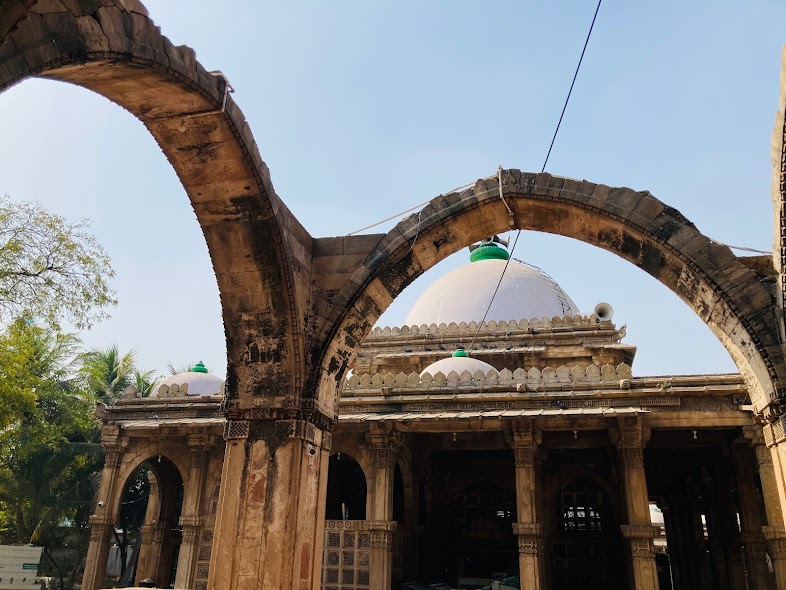
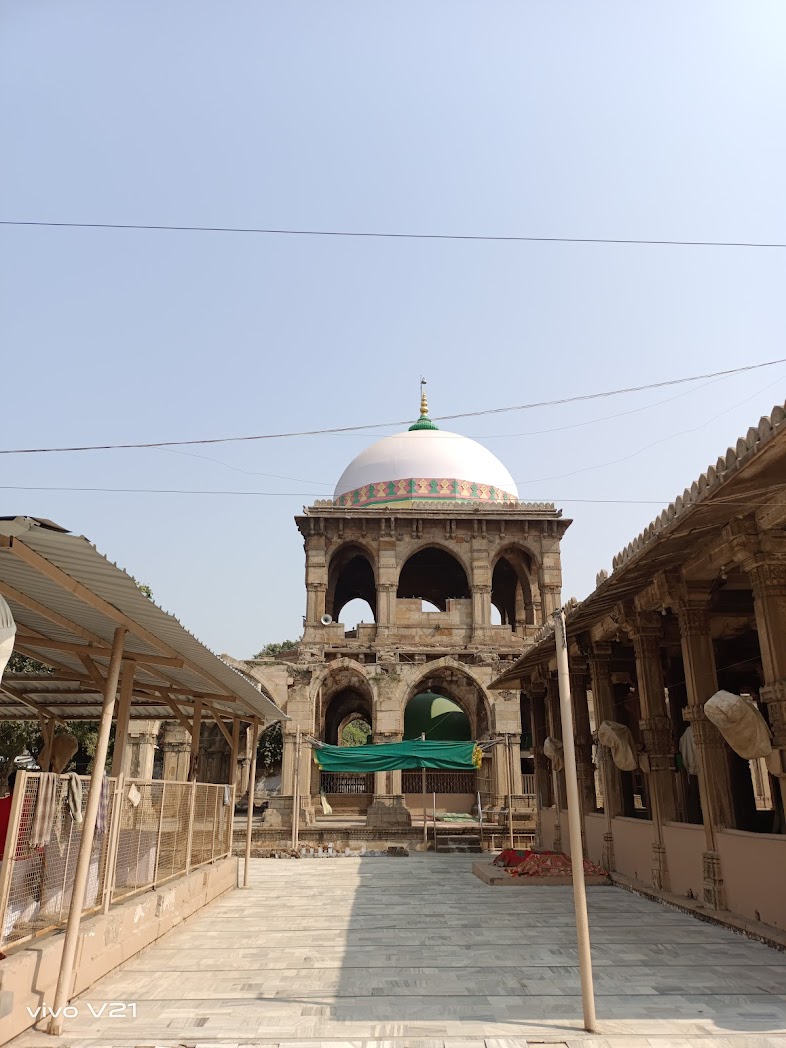
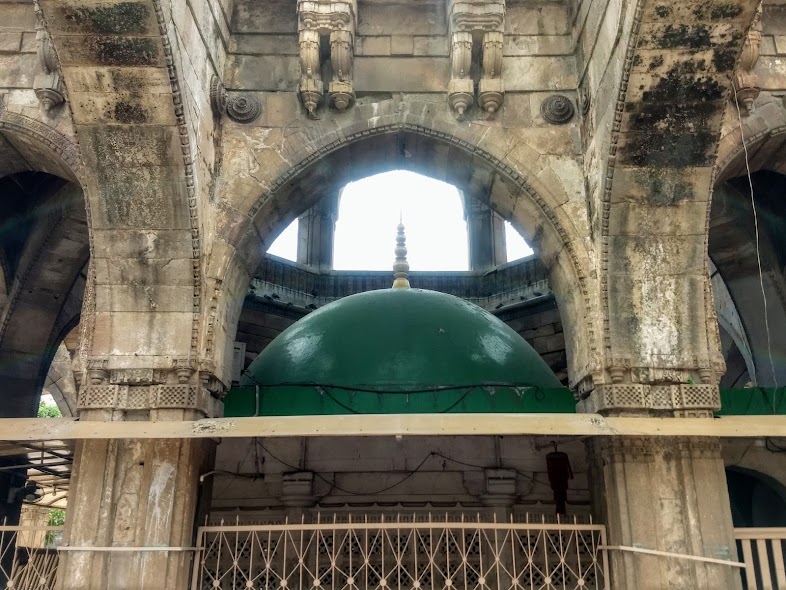
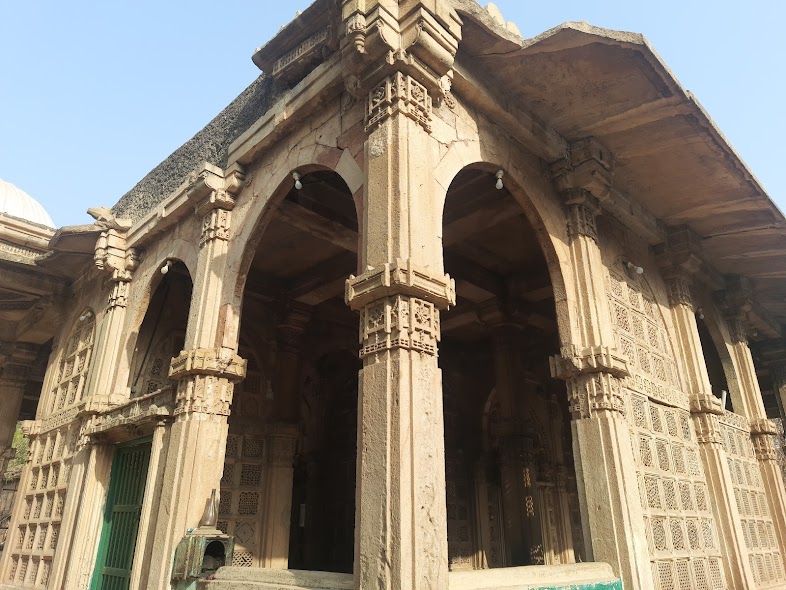
Qutub-e-Alam's Mosque and Tomb, also known as Vatva Dargah, is a significant medieval heritage site located in the Vatva area of Ahmedabad, India.
Abū Muḥammad ʿAbd Allāh b. Nāṣir al-Dīn Maḥmūd, also known as Ḳuṭb-i ʿĀlam or T̲h̲ānī-i Mak̲h̲dūm-i D̲j̲ahāniyān, was a prominent Suhrawardī saint and the founder of the Buk̲h̲āriyya Sayyids of Gujarat. Born in 1388 in Uchch, he was the grandson of the renowned D̲j̲alāl al-Dīn Mak̲h̲dūm-i D̲j̲ahāniyān, a celebrated mystic of the Suhrawardī order. His life was marked by early hardships, as he became an orphan at the age of ten. He was subsequently raised by his granduncle, S̲h̲āh Rād̲j̲ū Ḳattāl, who played a pivotal role in shaping his spiritual journey. Recognizing his potential, S̲h̲āh Rād̲j̲ū sent him to Gujarat, where he was warmly received by Sulṭān Muẓaffar S̲h̲āh I, a devoted disciple of his grandfather. In Gujarat, he pursued advanced studies under the tutelage of Mawlānā ʿAlīs̲h̲īr Gud̲j̲arātī and eventually established himself in the region, first in Asāual and later in Baṭvā, following the founding of Aḥmadābād. He was also honored with a Ḵh̲irḳa (a symbolic robe signifying spiritual authority) by S̲h̲ayk̲h̲ Aḥmad-i K?hattū. His teachings had a lasting impact, and his most notable disciple was his son, S̲h̲āh ʿĀlam, who carried forward his legacy. Over time, the reverence for Ḳuṭb-i ʿĀlam inspired the construction of significant architectural monuments in his honor. Initially, the nobles of Ahmed Shah?s court, including Sultan Qutubuddin Ahmad Shah II, erected a small shrine to commemorate him. This simple structure was later expanded by Mahmud Begada, who added a mosque, a tomb for one of the saint?s sons, a large many-sided pond, and a grand mausoleum. The mosque and the son?s tomb were constructed in the flat Hindu architectural style, characterized by the absence of arches or minarets, which reflected the regional style of Gujarat. However, the large mausoleum represented a significant departure from this style. With its imposing size and elegant design, it featured arches that replaced the traditional beams, and a dome elevated by a second tier of arches. The uniform use of the arch throughout the structure added a harmonious and aesthetic appeal. The tomb itself was a masterpiece of intricate craftsmanship, crowned by a richly inlaid canopy. Although the mausoleum was never fully completed?it lacked outer aisles and the signature stone trellis work in its windows?it remains a testament to the blend of architectural innovation and devotional artistry of its time. This site continues to stand as a significant landmark, symbolizing the enduring spiritual and cultural legacy of Ḳuṭb-i ʿĀlam.
Year of Built: 19th Century
Address: Vatva, Ahmedabad, Gujarat
Country: India
State: Gujarat
District: Ahmedabad
Pincode: 382440
Longitude: 72.613589
Latitude: 22.956558