
Indo Islamic Heritage


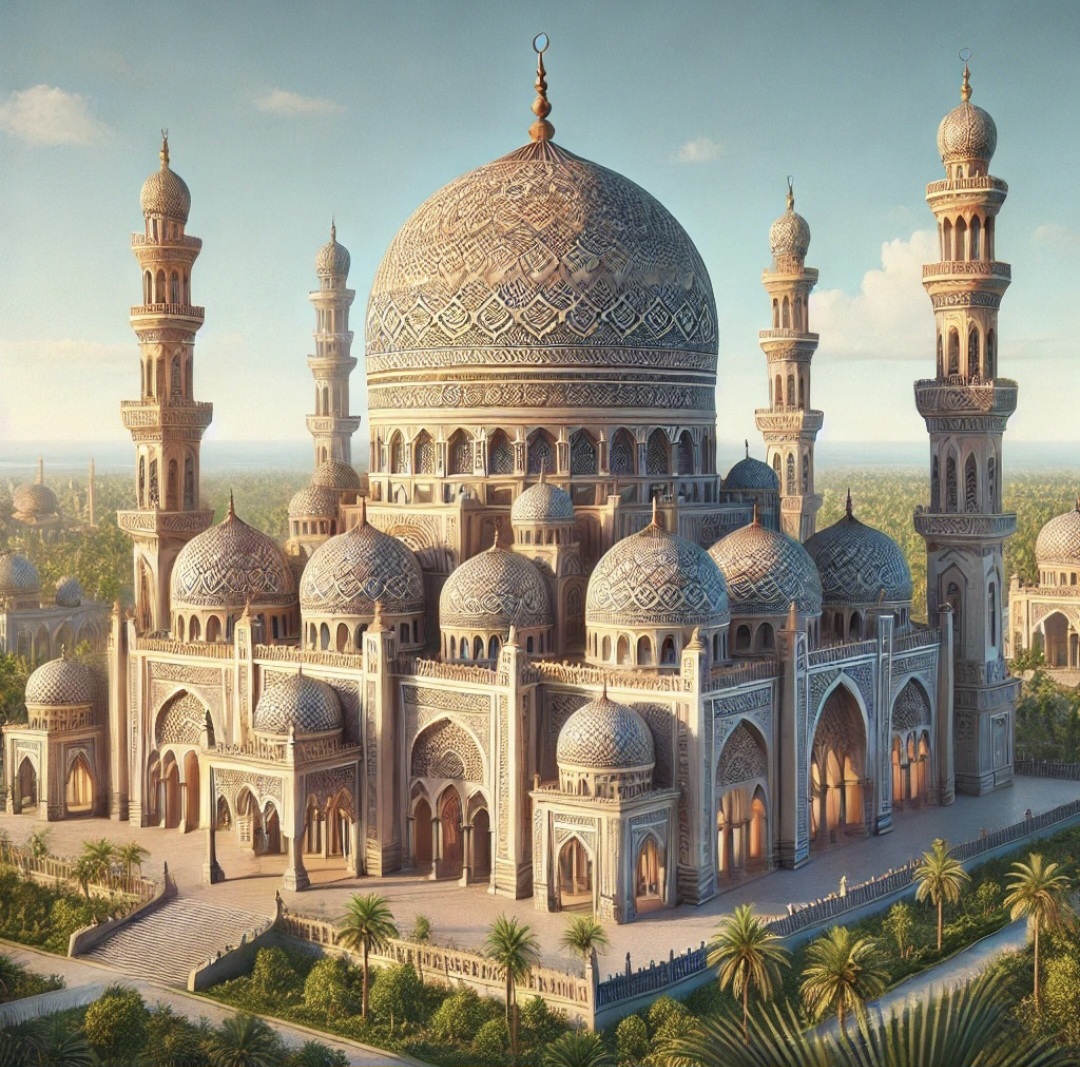
Masjid Ul Muttaqeen, also referred to as Jama Masjid Shamsi or the Great Mosque of Budaun, is a historic congregational mosque in Badaun, Uttar Pradesh. Constructed in 1223 CE by Sultan Shamsuddin Iltutmish of the Delhi Sultanate, it exemplifies early Indo-Islamic architecture with Persian and Afghan influences. Once the largest mosque in India (prior to Delhi's Jama Masjid expansion), it accommodates over 23,000 worshippers and stands as the third-oldest surviving mosque in the country. The structure features a towering red marble main gate, a large central dome, white marble flooring, and facilities like a hauz (pond) and wuzu khanas (ablution areas). It is a protected Monument of National Importance and a key site for Islamic learning and prayer.
Masjid Ul Muttaqeen, commonly known as Jama Masjid Shamsi, holds a prominent place among India's medieval Islamic architectural treasures. Built during the Delhi Sultanate era, it was commissioned by Shamsuddin Iltutmish in 1223 CE while Badaun served as a key provincial capital under his governance. Inscriptions on the mosque confirm its construction under Iltutmish's patronage, during the tenure of his son Rukn-ud-din Firuz as governor. This period marked Badaun's rise as a center of Islamic scholarship, attracting Sufis and students to its madrasas and khanqahs, further elevating the mosque's role in community and religious life. Architecturally, the mosque blends Persian and Afghan styles, characterized by its elevated position on Sotha Mohalla, making it the tallest structure in Badaun. The main entrance, facing Shakeel Road, is a striking 100-foot-tall gate crafted from red marble, flanked by two additional gates. At its heart is a grand central dome—the largest of its kind in any Indian mosque at the time—flanked by two secondary domes and five smaller ones, creating a majestic skyline. The prayer hall's floor is laid with white marble (sang-e-mar-mar), providing a serene and cool surface for worship. Supporting amenities include a central hauz for ritual ablutions and three wuzu khanas for washing and rest. The complex spans a vast area, historically accommodating up to 23,500 devotees, underscoring its status as India's premier congregational site until the 17th-century expansion of Delhi's Jama Masjid. Beyond its physical grandeur, Masjid Ul Muttaqeen symbolizes continuity in Islamic heritage. Restored in the 14th, 16th, and 19th centuries, it remains a vibrant hub for daily prayers, Friday congregations, and Islamic education. As a protected site under the Archaeological Survey of India, it draws visitors interested in the Sultanate's legacy, offering a tangible link to the era when Badaun was a birthplace of figures like Razia Sultana, Iltutmish's daughter and India's first female ruler. Today, it continues to foster spiritual tranquility amid its historic environs, embodying the enduring architectural and cultural contributions of early Muslim rule in northern India.
Year of Built: Not Available
Address: 24RG+M68, Budaun, Uttar Pradesh 243601
Country: India
State: Uttar Pradesh
District: Budaun
Pincode: 243601
Longitude: 79.1226° E
Latitude: 28.2364° N