
Indo Islamic Heritage


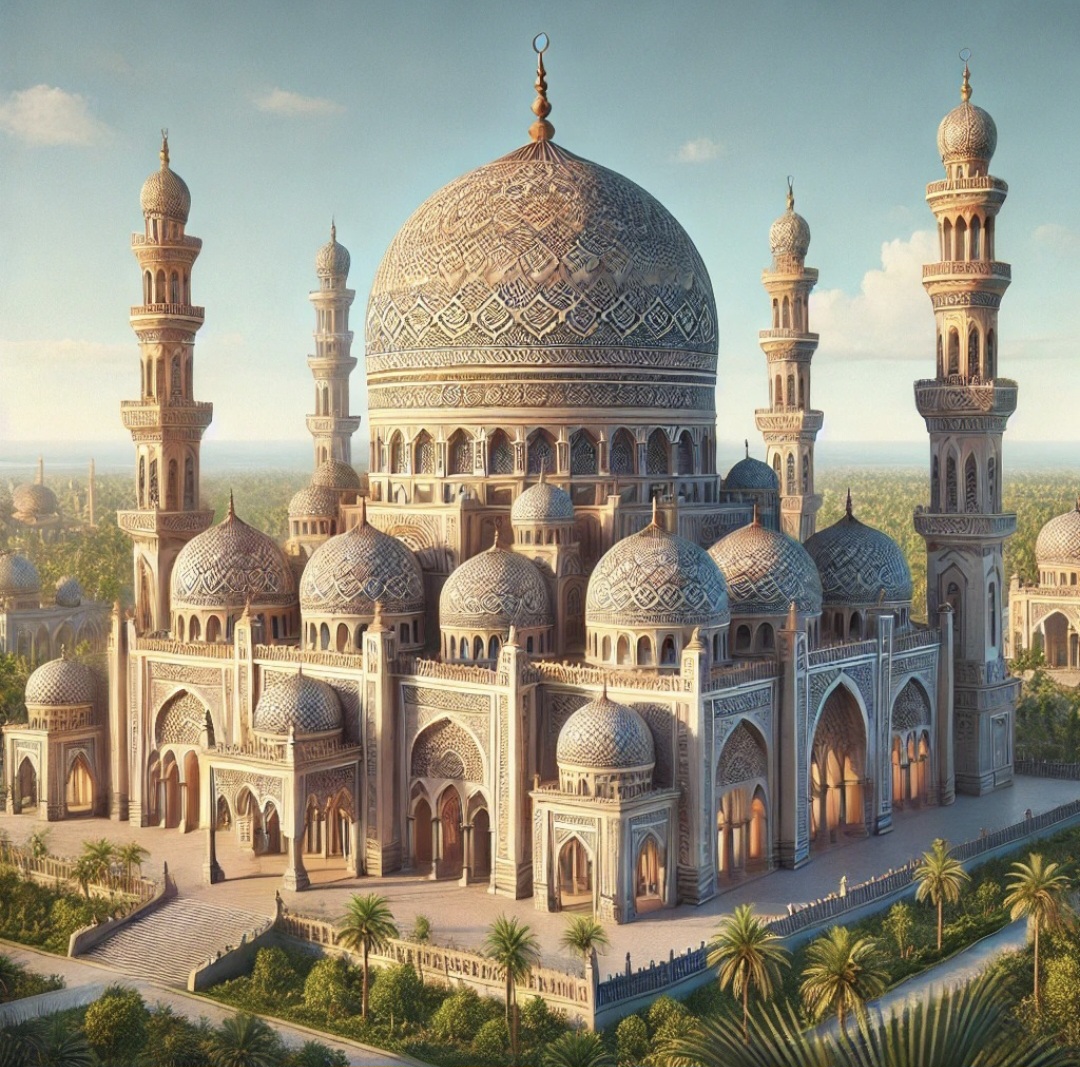
Jhande Wali Masjid is a modest yet historically significant mosque located in the Katra Brahmpur locality of Badaun, Uttar Pradesh. It serves as a local place of worship for the Muslim community, reflecting the Islamic architectural influences in the region's medieval heritage. The mosque features traditional elements such as arched entrances and a prayer hall, contributing to Badaun's legacy as a center of Islamic learning since the Delhi Sultanate era.
Nestled in the historic Katra Brahmpur neighborhood of Badaun—an ancient city with roots tracing back to the Delhi Sultanate—Jhande Wali Masjid stands as a quiet testament to India's rich Islamic architectural tradition. Badaun, captured by Qutb-ud-din Aibak in 1196 CE and later governed by sultans like Iltutmish, emerged as a key outpost for Islamic scholarship and construction in northern India. While grander structures like the 13th-century Jama Masjid dominate the city's protected monuments, smaller mosques such as Jhande Wali Masjid embody the everyday spiritual life of the community during subsequent eras of Mughal influence. The mosque's name, translating to "Mosque of the Flag," may allude to a prominent flagpole or banner used during religious processions, a common feature in South Asian Islamic sites to mark sacred spaces. Architecturally, it follows the Indo-Islamic style prevalent in Uttar Pradesh, with a simple rectangular prayer hall (musalla) oriented toward the qibla, supported by slender pillars and crowned by a modest dome or flat roof. Flanking the entrance are arched mihrabs and minarets scaled for local use, allowing for intimate congregational prayers. Though not as ornate as larger counterparts, its unassuming design prioritizes functionality, with ablution areas (wudu khana) and a small courtyard fostering community gatherings. Historical records specific to Jhande Wali Masjid are sparse, as it is not listed among the centrally protected monuments by the Archaeological Survey of India (ASI). However, its location in Katra Brahmpur—a locality known for its mound-like elevations hinting at pre-Islamic settlements—ties it to Badaun's layered past. The area around Katra has yielded artifacts from Buddhist and Hindu eras, but post-13th-century Islamic builds, including idgahs and minor mosques, proliferated under local rulers. Construction likely occurred between the 16th and 18th centuries, aligning with the proliferation of neighborhood mosques during Akbar's tolerant reign and the Nawabi period, when Badaun served as a jagir (fief) under Mughal governors. Today, Jhande Wali Masjid remains an active site for daily namaz and Ramadan observances, drawing local residents from the surrounding Brahmpur area. Its preservation underscores the enduring role of such mosques in sustaining cultural and religious continuity in Uttar Pradesh's heartland, away from the spotlight of major tourist circuits. Visitors to Badaun can appreciate it as part of a broader itinerary exploring the city's Sufi dargahs and sultanate-era relics, offering a glimpse into the subtle, lived heritage of Indian Islam.
Year of Built: Not Available
Address: 24PG+MHX, Sarafa Market, Katrabrahmpur, Budaun, Uttar Pradesh 243601
Country: India
State: Uttar Pradesh
District: Budaun
Pincode: 243601
Longitude: 79.1205° E
Latitude: 28.0337° N