
Indo Islamic Heritage


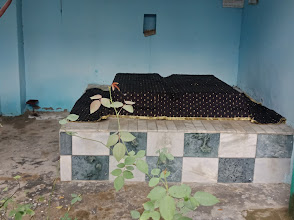
The Shrine of Hazrat Khalil Badshah (R.A.), also known as Dargah Hazrat Khalil Badshah, is a revered Sufi shrine and local mosque located in the historic Molvi Tola neighborhood of Badaun, Uttar Pradesh. It serves as a spiritual hub for devotees, embodying the Sufi traditions of the region with a focus on prayer, reflection, and community worship. Built in the medieval period, it reflects the architectural influences of Persian and Afghan styles prevalent in early Islamic structures of North India.
Nestled in the ancient Molvi Tola locality of Badaun—an area historically renowned for its scholarly community of alims and maulvis—the Shrine of Hazrat Khalil Badshah (R.A.) stands as a quiet testament to the Sufi heritage that has long defined this part of Uttar Pradesh. Badaun, often called "Badaun Sharif" or "Madina-e-Auliya" (the Medina of the Friends of God), is dotted with such shrines, and this dargah honors Khalil Badshah, a revered Sufi saint whose life and teachings emphasized spiritual devotion, universal brotherhood, and peaceful worship. The site functions primarily as a local mosque, hosting daily prayers (namaz) five times a day in a serene atmosphere that fosters communal harmony and introspection. Architecturally, the shrine draws from the Persian and Afghan influences seen in many 13th-century mosques of the Delhi Sultanate era, a period when Badaun served as a key administrative and religious center under rulers like Sultan Iltutmish. While specific construction records for the dargah are sparse, its origins align with this time, coinciding with the broader Islamic architectural boom in the region around 1202–1236 AD, when elevated sites in old city muhallas like Molvi Tola were chosen for places of worship. The structure features a modest yet elegant design typical of Sufi shrines: a central prayer hall with white marble flooring (sange mar mar), arched entrances for wuzu (ablution), and possibly a hauz (pond) for ritual cleansing, though the core focus remains on the saint's mazar (tomb) as the heart of spiritual gatherings. Devotees visit the shrine not only for obligatory prayers but also for ziarat (pilgrimage), seeking blessings for personal and communal well-being. The mosque's courtyard, though smaller than grander structures like the nearby Jama Masjid Shamsi, provides a peaceful space for reflection, with intricate wall carvings and stucco work that evoke the spiritual tranquility of Sufi traditions. As one of Badaun's understated gems, it contrasts with more prominent sites but holds equal reverence among locals, reinforcing the city's legacy as a cradle of Islamic mysticism in India. Today, it continues to operate as a vital community mosque, maintaining its role in daily worship amid the evolving urban landscape of Uttar Pradesh.
Year of Built: Not Available
Address: 24QC+PJF, Molvi Tola, Budaun, Uttar Pradesh 243601
Country: India
State: Uttar Pradesh
District: Budaun
Pincode: 243601
Longitude: 79.1214° E
Latitude: 28.0336° N