
Indo Islamic Heritage


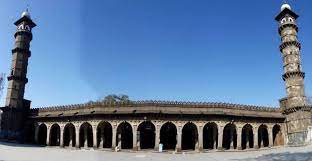
Explore the timeless beauty of Jama Masjid in Burhanpur, Madhya Pradesh, with our in-depth guide. Constructed in 1588 by Raja Ali Khan, this architectural marvel features unique tri-lingual inscriptions in Arabic, Persian, and Sanskrit, symbolizing India's rich cultural heritage. Admire its roofless design, 15-arched fa?ade, and intricate Mihrab niches that captivate history enthusiasts and tourists alike. Delve into its historical significance, Mughal influences, and cultural syncretism through high-quality images and detailed descriptions. Whether you're a traveler, student, or history lover, our app provides comprehensive insights into this magnificent monument, helping you navigate its legacy effortlessly.
Jama Masjid, located in Burhanpur, Madhya Pradesh, is a timeless architectural masterpiece that symbolizes India?s rich cultural and historical heritage. Commissioned in 1588 by Raja Ali Khan of the Faruqi dynasty, this mosque is an exceptional example of Islamic architecture, infused with a unique cultural syncretism. One of its most remarkable features is its tri-lingual inscriptions in Arabic, Persian, and Sanskrit, a reflection of the harmonious coexistence of cultures during its era. The mosque stands apart from other Islamic structures with its distinct design elements. Unlike traditional mosques, Jama Masjid lacks a roof and features symmetrical arches that serve as ceilings, allowing natural light to bathe the interiors. The fa?ade consists of 15 grand arches flanked by two towering minarets, which command the city?s skyline. Constructed with black stones from Mandu, the mosque exudes an aura of timeless elegance and architectural precision. A significant aspect of the mosque is its Mihrab niches. There are 17 Mihrabs in total, oriented toward Mecca, each intricately designed and symbolic of the mosque's spiritual core. Among them, one Mihrab bears Arabic inscriptions detailing the patron?s name, Quranic verses, and the year of construction, alongside the signature of calligrapher Mustafa. The cultural importance of Jama Masjid is underscored by its inscriptions, which offer a fascinating glimpse into the historical context of its construction. The southern end of the prayer hall features Sanskrit inscriptions, recording astronomical positions and dates in the Hindu Samvat calendar. Additionally, Persian inscriptions commemorating Emperor Akbar?s visit to Burhanpur after conquering Asirgarh Fort in 1601 highlight the mosque?s historical significance. These inscriptions, calligraphed by Mohammad Masoom, add layers of historical depth to this iconic monument. The construction of Jama Masjid began under the patronage of the Faruqi dynasty and saw completion during the Mughal reign, marking Burhanpur?s significance as a key center of administration and culture. Burhanpur served as the capital of Khandesh and flourished under Mughal rulers such as Jahangir and Shah Jahan, who contributed to its architectural landscape. Today, Jama Masjid continues to be a focal point for worshippers and visitors alike. Its central location in Gandhi Chowk makes it easily accessible to those seeking to explore its grandeur. The mosque?s architecture, inscriptions, and historical context offer visitors an unparalleled experience of India?s syncretic heritage. For history enthusiasts, architects, and travelers, Jama Masjid is more than just a place of worship. It stands as a monument to cultural integration, architectural brilliance, and historical resilience. A visit to this iconic site is not only a journey into the past but also a celebration of the enduring legacy of India?s diverse cultural history.
Year of Built: 1588
Address: Gandhi Chowk, Burhanpur, Madhya Pradesh, India
Country: India
State: Madhya Pradesh
District: Burhanpur
Pincode: 450331
Longitude: 76.2300
Latitude: 21.3000