
Indo Islamic Heritage


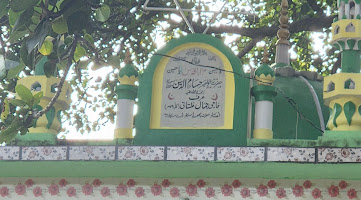
Dargah Huzur Ustaz E Bade Sarkaar Hazrat Khwaja Hisam Uddin Rahmatullah Alaih, also known as the Dargah of Sultan ul Arfeen Bade Sarkar, is a revered Sufi shrine in Badaun, Uttar Pradesh, dedicated to the 13th-century saint Hazrat Khwaja Sayyid Hasan (1188–1230 CE). As a key center of the Suhrawardi order in India, it attracts devotees for its spiritual legacy and annual Urs celebrations. The mausoleum, situated on the banks of the Sot River, exemplifies early Indo-Islamic architecture and serves as a site of interfaith harmony.
The Dargah of Hazrat Khwaja Hisam Uddin, commonly referred to as Bade Sarkar Dargah, stands as one of the oldest Sufi shrines in northern India, embodying the profound influence of the Suhrawardi Sufi order during the Delhi Sultanate era. Hazrat Khwaja Sayyid Hasan, titled Sultan ul Arfeen ("King of the Knowers of God"), was born in 1188 CE in Bukhara (modern-day Uzbekistan) to Azizuddin Badauni and Bibi Tui, descending from Prophet Muhammad (PBUH) through Hazrat Ali ibn Abi Talib. Fleeing Mongol invasions, his family settled in Badaun, a thriving center of Islamic learning and trade in Uttar Pradesh. Initiated into the Suhrawardi order under the guidance of Hazrat Kazi Hamiduddin Nagori, Khwaja Hasan received spiritual succession (khilafat) and the Sufi cloak (khirqah), expanding the order's reach beyond Bengal and Nagaur to firmly establish it in Badaun. Guided by his master, he spent his later years in this riverside town, preaching devotion, humility, and divine knowledge until his passing on 24 Ramadan 627 Hijri (1230 CE). His tomb, the dargah's focal point, was constructed in the same year (628 Hijri) by Sultan Nasiruddin Mahmud, the fifth son of Sultan Iltutmish, reflecting the royal patronage extended to Sufi saints under the early Mamluk dynasty. Sultan Iltutmish himself held deep respect for the Chishti-Suhrawardi spiritual lineage, linking this shrine to broader networks of mystical Islam in India. Architecturally, the dargah features a simple yet elegant mausoleum with intricate stone latticework and arched entrances typical of 13th-century Indo-Islamic design, overlooking the serene Sot River. It remains a local focal point for prayer and reflection, hosting the annual Urs (death anniversary) on 24 Ramadan, marked by qawwali recitations, fatiha prayers, and communal feasts that draw pilgrims from diverse faiths—Hindus, Muslims, Christians, and Sikhs—seeking blessings for fulfillment of vows. A notable tradition involves tying threads at the tomb for wishes, to be untied upon realization, underscoring the saint's enduring intercessory role. His spiritual successor, his younger brother Shah Vilayat Badruddin (Chote Sarkar), whose adjacent dargah shares the complex, further amplified the site's legacy, connecting it to Khwaja Qutbuddin Bakhtiar Kaki of the Chishti order. Today, the shrine preserves verified historical manuscripts and oral traditions from Suhrawardi texts, serving as a quiet testament to Badaun's role in India's Sufi heritage without embellishments of later folklore. Visitors access it via the main Badaun roads, with the pincode 243601 facilitating local pilgrimages to this unassuming yet spiritually vibrant site.
Year of Built: Not Available
Address: 24P5+P37, Budaun, Uttar Pradesh 243601
Country: India
State: Uttar Pradesh
District: Budaun
Pincode: 243601
Longitude: 79.1300° E
Latitude: 28.2400° N