
Indo Islamic Heritage


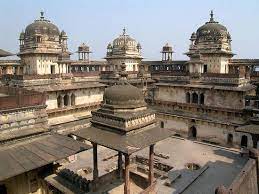
Baz Bahadur Palace, located in Mandu, Madhya Pradesh, is a magnificent example of Indo-Saracenic architecture. Built during the reign of Sultan Baz Bahadur in the 16th century, the palace is known for its intricate design, blending Persian, Mughal, and Indian styles. The palace is most famous for its romantic association with Rani Roopmati, whose pavilion overlooks the palace. The palace, surrounded by gardens and water reservoirs, is a testament to the grandeur of the Malwa Sultanate and offers panoramic views of the surrounding landscape, making it a must-visit historical site in Mandu.
Baz Bahadur Palace, a royal residence located in Mandu, Madhya Pradesh, is a significant historical monument known for its exquisite architecture and romantic association with Rani Roopmati. Built during the reign of Sultan Baz Bahadur in the 16th century, the palace stands as a testament to the splendor of the Malwa Sultanate and the architectural brilliance of the time. The palace is designed in an Indo-Saracenic style, blending Persian, Mughal, and Indian architectural elements. It is renowned for its aesthetic beauty, with delicate carvings, arches, and intricate frescoes adorning its walls. The structure is constructed from local sandstone, giving it a warm, reddish hue. The palace features an open-air terrace with breathtaking views of the surrounding landscape, including the nearby Rewa Kund and the famous Rani Roopmati Pavilion. One of the most unique aspects of the Baz Bahadur Palace is its close association with Rani Roopmati, the queen of Sultan Baz Bahadur. Rani Roopmati was a poetess and a singer, renowned for her beauty and grace. The palace, with its grand architecture and scenic views, is believed to be the place where Baz Bahadur and Roopmati spent their time. Roopmati's Pavilion, situated atop a nearby hill, offers panoramic views of the palace and the surrounding countryside. The romantic connection between the two figures has given rise to numerous legends and tales of love and devotion. The palace is also known for its water reservoirs and gardens, which were designed to provide the royal family with cool and serene surroundings. The palace features a large central courtyard surrounded by pillared verandas, and it is divided into various sections, including a private chamber for the sultan and his consort. The water channels and reservoirs not only served as cooling systems but also added to the aesthetic appeal of the palace, reflecting the importance of water in Mughal-era architecture. The palace is a fine example of the fusion of Mughal and Rajput architectural styles, with its large domed roofs, arched windows, and ornate carvings. The design of the palace emphasizes symmetry and harmony, with each element carefully constructed to create a sense of grandeur and elegance. Visitors to the Baz Bahadur Palace can explore the various rooms and terraces, which offer stunning views of the surrounding area, including the distant hills, water bodies, and the lush green landscape of Mandu. The site also offers insights into the daily life of the royal family and the cultural richness of the era. Today, the palace remains a popular tourist destination, drawing visitors who are interested in history, architecture, and the romantic tales of Baz Bahadur and Rani Roopmati. The palace stands as a symbol of love, beauty, and architectural grandeur, making it an important part of Mandu?s rich heritage.
Year of Built: 16th Century
Address: Mandu, Mandav, Dhar, Madhya Pradesh, India
Country: India
State: Madhya Pradesh
District: Dhar
Pincode: 454010
Longitude: 75.4093
Latitude: 22.3416