
Indo Islamic Heritage


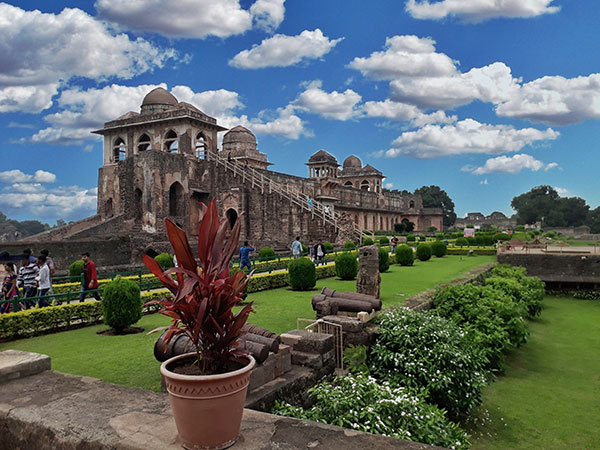
Hathi Mahal, also known as the Elephant Palace, is a historical monument located in Mandu, Madhya Pradesh. Constructed in the 15th century, it is renowned for its distinctive architecture featuring massive elephant-leg columns. The palace exemplifies Indo-Islamic architectural styles, blending Hindu and Islamic design elements. Situated near the Darya Khan Tomb, Hathi Mahal offers visitors a glimpse into the grandeur of Mandu's medieval era. Its unique design and historical significance make it a must-visit destination for history enthusiasts and travelers exploring the rich heritage of Madhya Pradesh.
Hathi Mahal, often referred to as the Elephant Palace, is a remarkable historical monument situated in Mandu, Madhya Pradesh. Constructed in the 15th century, this palace is celebrated for its unique architectural design, particularly the massive elephant-leg columns that support its structure. The name "Hathi Mahal" translates to "Elephant Palace," aptly describing the imposing columns that resemble elephant legs, a feature that sets it apart from other structures in the region. The architectural style of Hathi Mahal is a fusion of Hindu and Islamic elements, characteristic of the Indo-Islamic architectural tradition. This blend is evident in the intricate carvings, arches, and decorative motifs that adorn the palace. The structure is designed with a central courtyard, surrounded by rooms and verandas, providing a glimpse into the grandeur of the era. The use of large, elephant-leg columns not only adds to the aesthetic appeal but also serves as a testament to the engineering prowess of the time. Located near the Darya Khan Tomb, Hathi Mahal is part of a group of monuments that reflect the rich history of Mandu. The proximity to other historical sites makes it an integral part of the Mandu heritage trail. Visitors can explore the palace and its surroundings, gaining insights into the architectural and cultural significance of the period. The palace's strategic location near the Darya Khan Tomb adds to its historical importance. Darya Khan was a prominent noble during the reign of Mahmud Khilji, and his tomb is a significant landmark in Mandu. The association between the tomb and the palace highlights the prominence of the area during the medieval period. Today, Hathi Mahal stands as a testament to the architectural ingenuity and cultural amalgamation of the 15th century. Its preservation allows visitors to experience the grandeur of Mandu's medieval era. The palace's unique design and historical significance make it a must-visit destination for history enthusiasts and travelers exploring the rich heritage of Madhya Pradesh. For those planning a visit, Hathi Mahal is accessible from the Mandu Bus Stand, located approximately 2 kilometers away. The site is open to visitors throughout the week, with no entry fee, allowing for an immersive experience into the history and architecture of the region. The best time to visit is during the cooler months, from October to March, to fully appreciate the monument's beauty and the surrounding landscape.
Year of Built: 15th Century
Address: Hathi Mahal, Near Darya Khan Tomb, Mandu, Madhya Pradesh, India
Country: India
State: Madhya Pradesh
District: Dhar
Pincode: 454010
Longitude: 75.3667
Latitude: 22.9915