
Indo Islamic Heritage


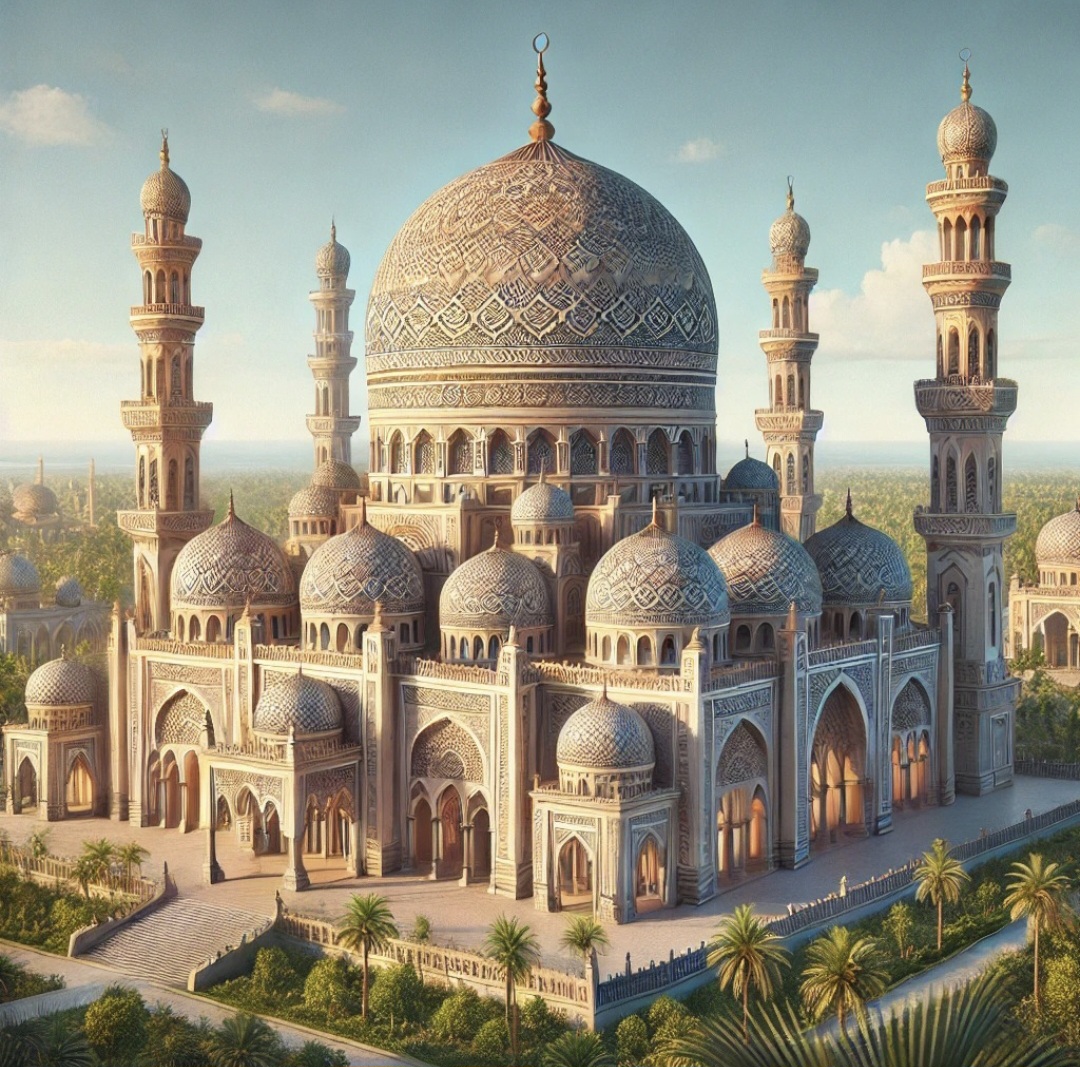
Usmania Masjid is a modest local mosque situated in the Faisalabad locality of Bulandshahr, Uttar Pradesh, serving as a community prayer space for residents. It reflects the everyday Islamic heritage of the region, offering a serene environment for worship amid the district's historical landscape dating back to pre-1200 B.C. origins.
Usmania Masjid, located in the Faisalabad area of Bulandshahr, Uttar Pradesh, stands as a simple yet integral part of the local Muslim community's religious life. Bulandshahr district itself boasts a rich historical backdrop, with roots tracing to the Mahabharata era before 1200 B.C., when nearby sites like Ahar served as important centers after the decline of Hastinapur. The district's name, meaning "high city" in Persian, emerged during the Mughal period due to its elevated terrain between the Ganga and Yamuna rivers. While grander mosques like the central Bulandshahr mosque—completed in 1728 by Mughal governor Rustam Khan and later finished in the 19th century—highlight the area's Mughal legacy, Usmania Masjid represents the more contemporary, neighborhood-scale Islamic architecture typical of small-town Uttar Pradesh. As a local place of worship, the mosque facilitates daily prayers, Friday congregations, and community gatherings, embodying the enduring Islamic traditions in a district recognized by the Government of India as a Minority Concentrated District based on 2011 census data. Its unpretentious design aligns with the practical needs of Faisalabad's residents, contributing to the spiritual fabric of Bulandshahr, which also preserves ancient ruins at sites like Bhatora, Veerpur, and Ghalibpur—remnants of medieval statues and temple objects now archived in places like the Lucknow State Museum.
Year of Built: Not Available
Address: CV58+RQQ, Unnamed Road, Shante Niketan Colony, Kidwai Nagar, Faislabad, Bulandshahr, Uttar Pradesh 203001
Country: India
State: Uttar Pradesh
District: Bulandshahr
Pincode: 203001
Longitude: 77.8410° E
Latitude: 28.4060° N