
Indo Islamic Heritage


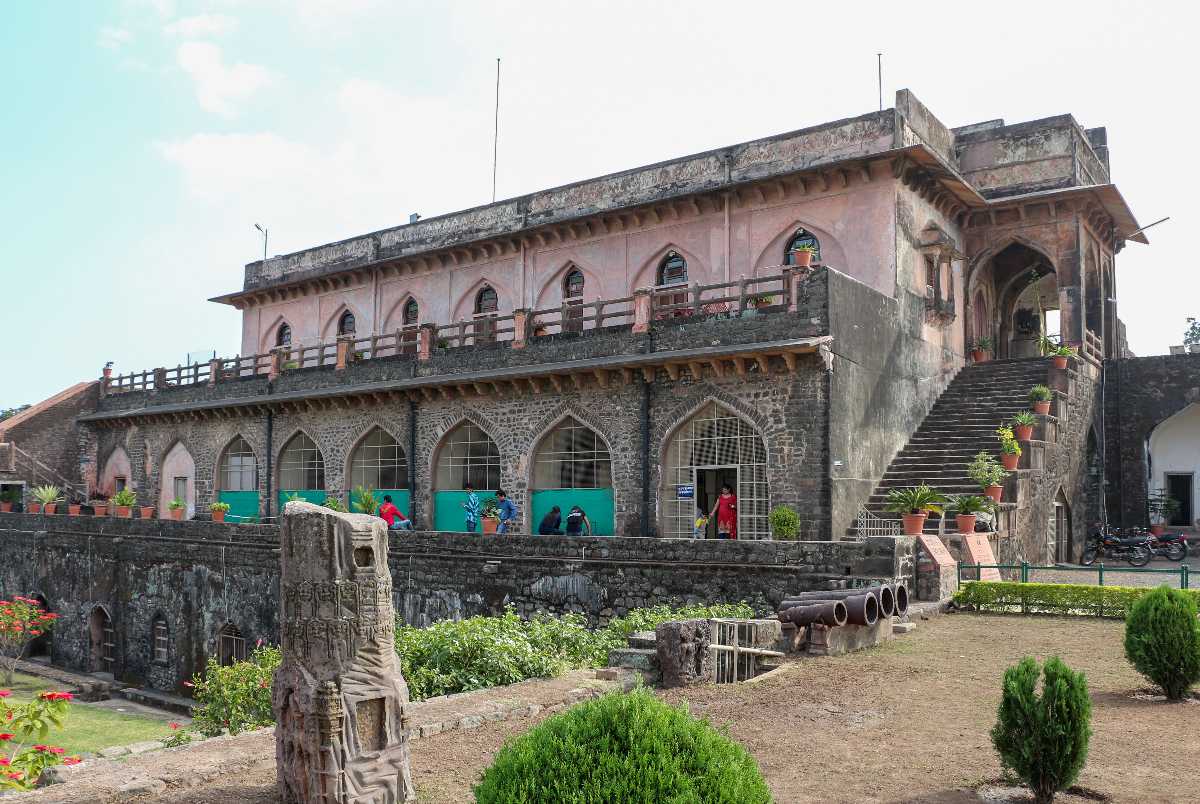
Taveli Mahal, situated in Mandu, Madhya Pradesh, is a historical edifice originally serving as stables and guardrooms during the Mughal era. The term "Taveli" is derived from "Tavela," meaning stable. Located south of the renowned Jahaz Mahal, it now functions as a museum managed by the Archaeological Survey of India, showcasing artifacts that narrate the rich history of Mandu. Visitors can explore its architectural design and the exhibits within, offering insights into the region's cultural heritage.
Taveli Mahal stands as a testament to the architectural ingenuity and historical significance of Mandu, a city steeped in history in Madhya Pradesh, India. Constructed during the Mughal period, the structure was initially purposed as stables and quarters for guards, playing a crucial role in the daily operations of the royal enclave. The name "Taveli" is a derivative of "Tavela," which translates to stable, indicating its original function. Strategically positioned to the south of the iconic Jahaz Mahal, Taveli Mahal is part of a complex that includes several significant structures from the Mughal era. Its proximity to Jahaz Mahal underscores its importance within the royal precincts, likely serving as support infrastructure for the palatial activities. In contemporary times, Taveli Mahal has been repurposed into a museum under the stewardship of the Archaeological Survey of India (ASI). This transformation has breathed new life into the edifice, allowing it to serve as a repository of Mandu's rich archaeological and cultural heritage. The museum houses a diverse collection of artifacts, including sculptures, inscriptions, and relics unearthed from the region, offering visitors a tangible connection to the past. Architecturally, Taveli Mahal reflects the stylistic elements characteristic of Mughal design, with its robust construction, arched doorways, and spacious halls. The building's layout, with stables on the ground floor and accommodations for guards on the upper levels, exemplifies the functional design principles of the era. The preservation of these architectural features provides insight into the operational aspects of Mughal establishments and their emphasis on structural utility combined with aesthetic appeal. Visitors to Taveli Mahal can immerse themselves in the historical ambiance of the site, exploring the museum's exhibits that narrate the story of Mandu's past. The artifacts on display offer a glimpse into the artistic and cultural developments of the region, spanning various periods. Additionally, the Mahal's vantage point provides scenic views of the surrounding landscape, enhancing the visitor experience. The significance of Taveli Mahal extends beyond its original utilitarian purpose; it now serves as an educational resource and a cultural landmark. Its preservation and adaptation into a museum underscore the efforts to maintain and celebrate India's rich historical tapestry. For scholars, history enthusiasts, and tourists alike, Taveli Mahal offers a unique opportunity to engage with the legacy of Mandu and the broader historical narratives of the region.
Year of Built: Mughal Era (Exact year unknown)
Address: Taveli Mahal, Mandu, Madhya Pradesh, India
Country: India
State: Madhya Pradesh
District: Dhar
Pincode: 454010
Longitude: 75.3833
Latitude: 22.3667