
Indo Islamic Heritage


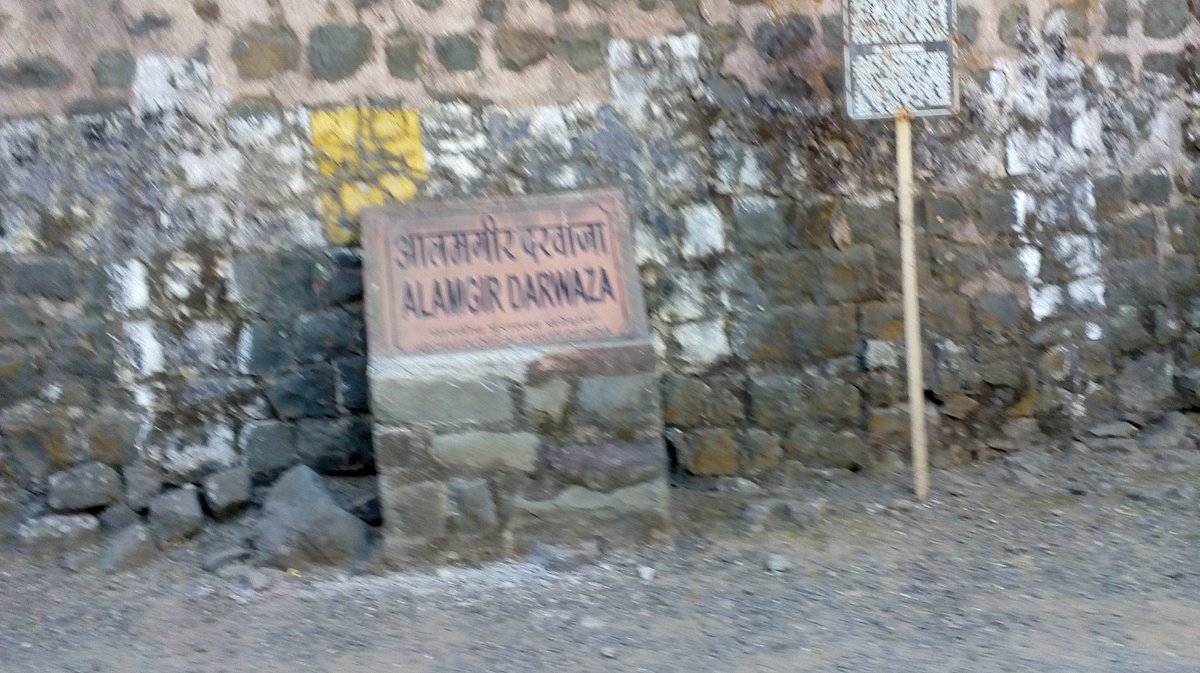
The Gates of Mandu are a series of historic gateways that once fortified the ancient city of Mandu in Madhya Pradesh, India. Originally numbering twelve, these gates were integral to the city's defense and trade, with the Delhi Darwaza serving as the primary entrance. Today, seven of these gates remain, showcasing the architectural prowess of the era. Each gate, constructed from robust boulders and rubble, reflects the strategic and cultural significance of Mandu's past. Visitors can explore these monumental structures to gain insight into the city's rich heritage and the engineering marvels of ancient fortifications.
Mandu, perched atop a rocky outcrop of the Vindhya ranges in Madhya Pradesh, India, is a city steeped in history and architectural grandeur. One of its most remarkable features is the series of gates that once fortified this ancient city. These gates, integral to Mandu's defense and trade, offer a glimpse into the city's strategic importance and the ingenuity of its builders. The citadel of Mandu was originally encircled by twelve grand gateways. Today, seven of these gates have withstood the test of time, standing as silent sentinels to a bygone era. A solid wall of boulders and rubble, extending over a 45-kilometer perimeter, connected these gateways, fortifying the city against invasions. This extensive fortification underscores the significance of Mandu as a stronghold in medieval India. Among the surviving gates, the Delhi Darwaza holds prominence as the main entrance to the fortress city. Strategically located at the northern end of a natural causeway, it served as the primary access point for traders, travelers, and armies. The Delhi Gate, as it is also known, was constructed during the reign of Hoshang Shah Ghuri (1405 ? 1431), the second Sultan of Malwa. Its architectural design reflects the Islamic influences that later inspired Mughal architecture in northern India. Other notable gates include the Alamgir Darwaza, Tarapur Gate, Jehangir Gate, and Rampol Darwaza. Each of these gateways served specific purposes, from defense to facilitating trade routes. The Alamgir Gate, for instance, is part of the extensive fortifications that highlight the military architecture of the period. The construction of these gates involved meticulous planning and engineering. Built primarily from locally sourced stone, they were designed to withstand sieges and the rigors of time. The massive stone walls, some stretching up to 45 kilometers, and the strategic placement of the gates exemplify the defensive foresight of Mandu's rulers. Today, the Gates of Mandu are not just remnants of fortifications but are also significant tourist attractions. They offer visitors a tangible connection to the past, allowing them to traverse the same paths once tread by royalty, soldiers, and traders. The grandeur of these structures, set against the backdrop of Mandu's scenic landscape, provides a captivating experience for history enthusiasts and casual travelers alike. Preservation efforts by archaeological and tourism departments have been instrumental in maintaining the integrity of these gates. Informational plaques and guided tours are available to educate visitors about the historical and architectural significance of each gate. As one explores these monumental structures, the stories of Mandu's rich and vibrant history come alive, offering insights into its cultural and strategic importance in India's medieval period.
Year of Built: 6th century AD (initial fortifications); subsequent enhancements during the reign of Hoshang Shah Ghuri (1405 ? 1431)
Address: 996W+CF6, Sulibardi, Madhya Pradesh 454010, India
Country: India
State: Madhya Pradesh
District: Dhar
Pincode: 454010
Longitude: 75.3833
Latitude: 22.3667