
Indo Islamic Heritage


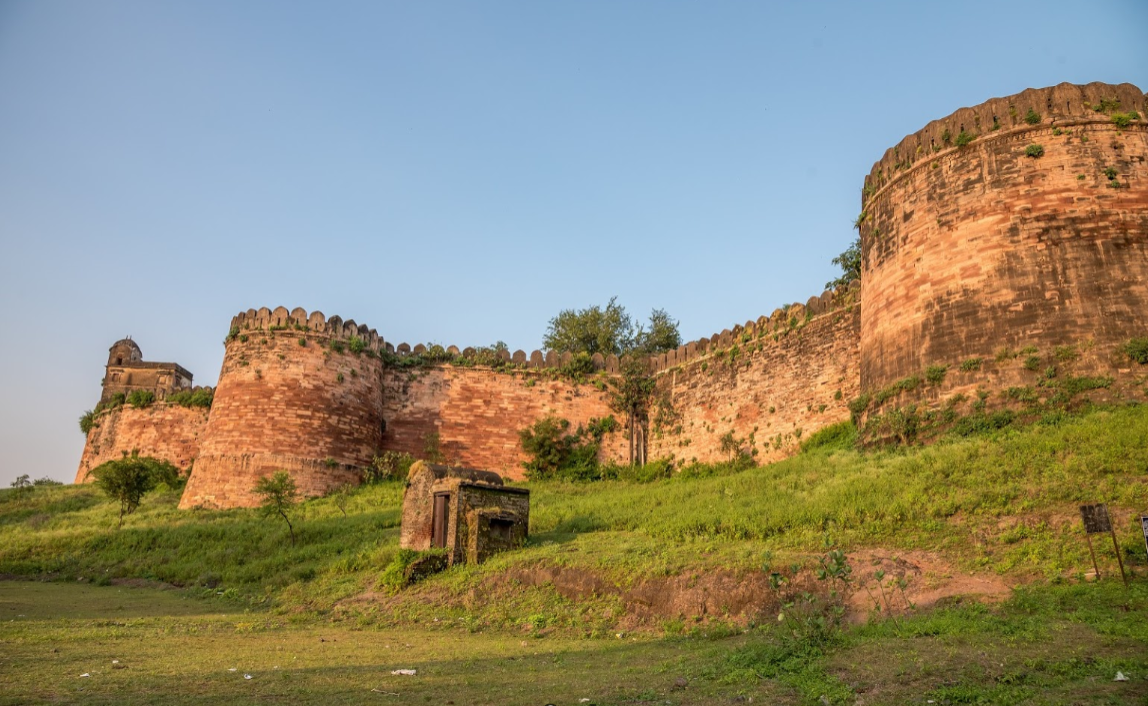
Dhar Fort, located in Dhar, Madhya Pradesh, is a significant historical monument with a rich past. Constructed in 1344 A.D. during Sultan Mahmud Tughlaq's Deccan campaign, the fort is a rectangular edifice built from red sandstone. It showcases a blend of Hindu, Mughal, and Afghan architectural styles, reflecting the region's diverse cultural influences. The fort has witnessed pivotal events, including its role in the 1857 revolt, where it was held by freedom fighters for four months. Today, Dhar Fort stands as a testament to India's layered history, offering visitors panoramic views of the surrounding landscape from its ramparts.
Dhar Fort, perched atop a small hill in the town of Dhar, Madhya Pradesh, is a monumental testament to India's rich and diverse history. Its origins trace back to the 11th century when the legendary King Bhoj of the Paramara dynasty established Dhar as his capital. However, the fort as it stands today was constructed in 1344 A.D. under the aegis of Sultan Mahmud Tughlaq of Delhi during his southern campaign. The fort's architecture is a harmonious amalgamation of Hindu, Mughal, and Afghan styles, constructed primarily from red sandstone. This blend reflects the confluence of cultures and the region's historical transitions. The rectangular layout and robust bastions exemplify the military architectural prowess of the era. Within its precincts, the fort houses remnants of structures dating back to the 15th and 16th centuries, offering insights into the architectural evolution over time. One of the fort's notable features is the Kharbuja Mahal, named for its melon-shaped domes. This palace within the fort complex exemplifies the intricate craftsmanship and aesthetic sensibilities of the period. The fort's strategic location and formidable defenses made it a significant stronghold during various historical epochs. During the Great Revolt of 1857, Dhar Fort played a pivotal role. It was seized by Indian freedom fighters who maintained control over it from July to October, marking it as a symbol of resistance against colonial rule. This episode underscores the fort's importance not just as a military bastion but also as a beacon of the struggle for independence. In contemporary times, Dhar Fort stands as a well-preserved monument, attracting historians, architects, and tourists alike. The panoramic vistas from its ramparts offer a glimpse into the town's landscape, while the fort itself serves as a portal into India's layered past. Its preservation allows visitors to traverse through centuries of history, experiencing the architectural grandeur and the stories embedded within its walls. For those planning a visit, the fort is situated approximately 3 kilometers from the central area of Dhar town, making it easily accessible. Exploring the fort provides an opportunity to delve into the rich tapestry of India's history, witnessing firsthand the architectural brilliance and the historical narratives that have shaped the region.
Year of Built: 1344 A.D.
Address: MP SH 31, Shri Vihar Colony, Dhar, Madhya Pradesh, India
Country: India
State: Madhya Pradesh
District: Dhar
Pincode: 454001
Longitude: 75.3020
Latitude: 22.6013