
Indo Islamic Heritage


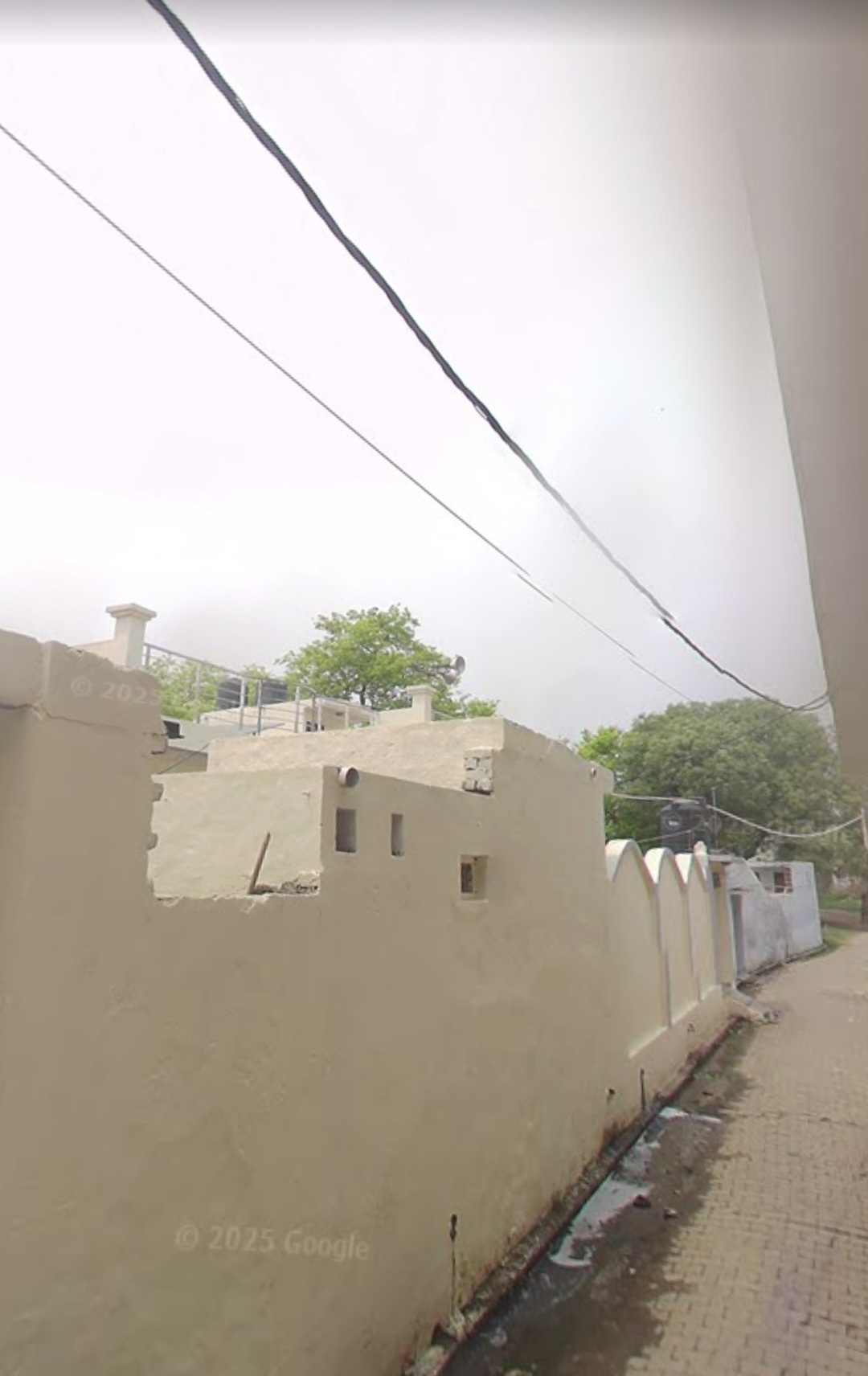
The Abubakar Mosque is a modest local mosque in the village of Kamalpur, Bulandshahr district, Uttar Pradesh, serving as a central place of worship for the Muslim community. It reflects the simple yet functional architectural style typical of rural Islamic structures in northern India, with a prayer hall and minaret designed for daily congregational prayers. As a community hub, it hosts regular namaz, Jumu'ah prayers, and local religious events, fostering spiritual and social bonds among residents.
Nestled in the quiet village of Kamalpur, approximately 5 km north of Bulandshahr city along the Kali River plain, the Abubakar Mosque stands as a vital spiritual landmark for the local Muslim population. Named after Abu Bakr, the first Caliph of Islam and close companion of Prophet Muhammad (PBUH), the mosque embodies the core principles of faith, humility, and community service inherent in Islamic tradition. Though not among India's grand historical monuments like the Jama Masjid in Delhi or the Babri Masjid site, it represents the grassroots essence of Islamic heritage in Uttar Pradesh's rural heartland, where mosques like this one have long served as anchors for daily devotion and social cohesion. The mosque's architecture is characteristically understated, aligning with the practical needs of village life. It features a rectangular prayer hall oriented towards the qibla (direction of Mecca), with whitewashed walls and a simple dome or flat roof supported by arched openings for ventilation and light. A modest minaret adjoins the structure, from which the adhan (call to prayer) echoes across the surrounding fields five times a day. The interior includes a mihrab (niche indicating the qibla) and minbar (pulpit) for sermons, with space for wudu (ablution) facilities nearby. Constructed likely in the mid-20th century—though precise records are scarce due to its local scale—the building uses locally sourced bricks and lime mortar, ensuring durability in the region's hot summers and monsoons. Historically, Kamalpur village traces its roots to the broader agrarian landscape of Bulandshahr, a district with influences from Mughal and post-independence eras, but the mosque itself lacks prominent inscriptions or documented patronage, underscoring its role as a community-built edifice rather than a royal commission. It draws from the Sunni tradition prevalent in Uttar Pradesh, hosting not only obligatory prayers but also educational sessions for children on Quranic recitation and Islamic ethics. During festivals like Eid al-Fitr and Eid al-Adha, the courtyard expands to accommodate villagers, promoting interfaith harmony in a district known for its diverse religious fabric. Today, the Abubakar Mosque continues to thrive as a serene retreat amid Kamalpur's farmlands, where sugarcane and wheat fields dominate. Accessible via local roads from Bulandshahr (pincode 203001), it remains an unpretentious symbol of enduring faith, inviting locals and passersby to pause for reflection and prayer. Its coordinates (28.4167° N, 77.8333° E) place it in the fertile Doab region between the Ganges and Yamuna rivers, a testament to how Islam has woven into India's rural tapestry over centuries.
Year of Built: Not Available
Address: CRG8+RPP Kaysth, Kamalpur, Uttar Pradesh 203001
Country: India
State: Uttar Pradesh
District: Bulandshahr
Pincode: 203001
Longitude: 77.8333° E
Latitude: 28.4167° N,