
Indo Islamic Heritage


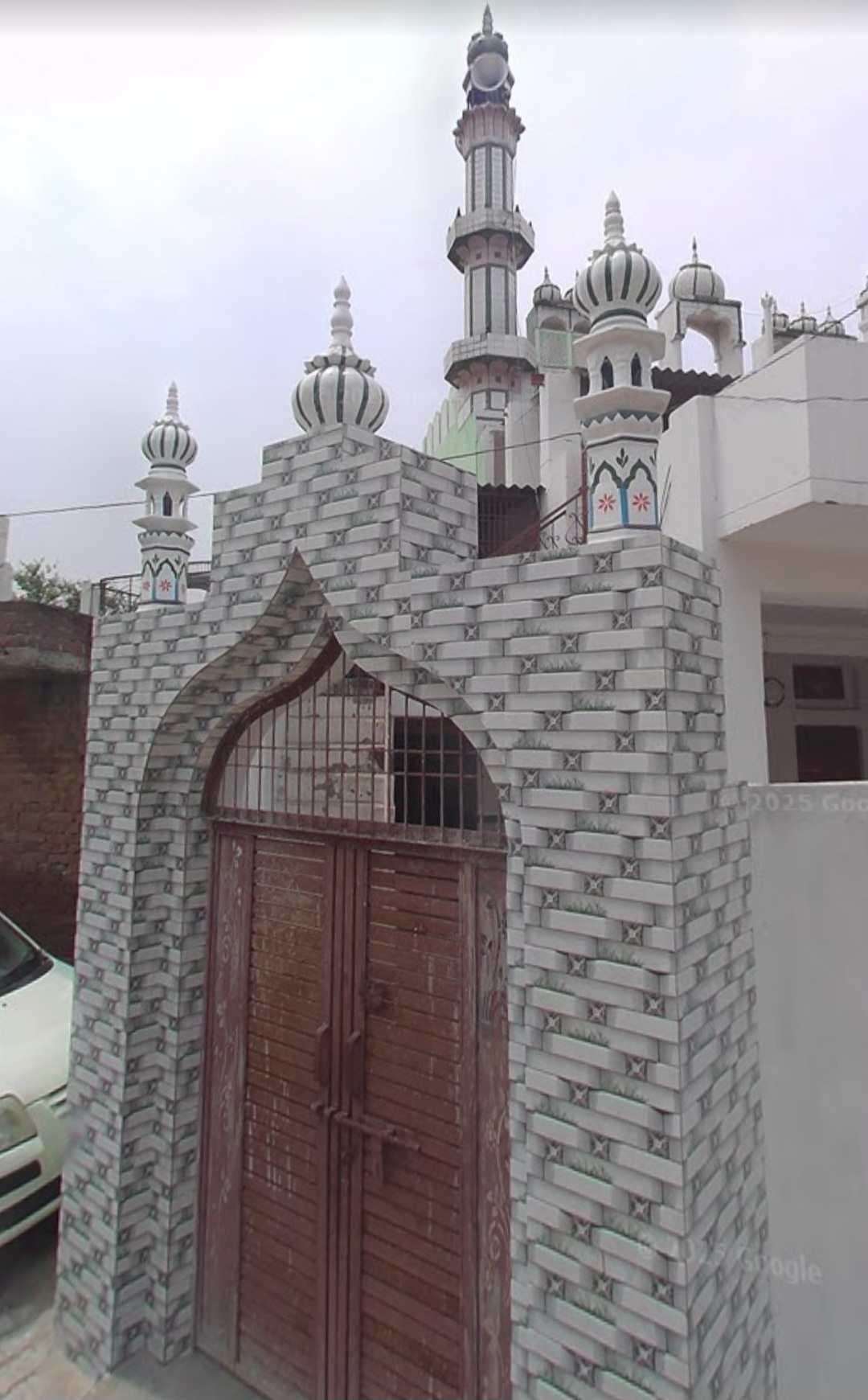
Umar Masjid is a modest local mosque in Akbarpur village, Bulandshahr district, Uttar Pradesh, serving the spiritual needs of the surrounding Muslim community. Named after the second Caliph Umar ibn al-Khattab, it reflects simple Islamic architecture typical of rural Uttar Pradesh mosques, with a prayer hall and basic minaret. It remains an active place of worship amid the area's agricultural landscape.
Bulandshahr district, with roots tracing back to before 1200 BCE near ancient sites like Hastinapur, saw Islamic influence from the Delhi Sultanate and Mughal periods, but Umar Masjid itself is not documented among the region's prominent Indo-Islamic structures like the 16th-century Buland Darwaza in Fatehpur Sikri. As a neighborhood mosque (masjid-e-umar), it embodies the everyday Islamic heritage of small villages like Akbarpur, where community prayers and religious education take place. The structure features a rectangular prayer hall oriented towards the qibla, whitewashed walls, and a single minaret, constructed primarily from brick and lime mortar—common in local Doab region mosques. It lacks ornate domes or calligraphy seen in urban counterparts, emphasizing functionality for daily salah and Friday congregations. The mosque contributes to the cultural fabric of Akbarpur, a village of around 2,000 residents engaged in agriculture, fostering community ties through religious observances.
Year of Built: Not Available
Address: village and post, Akbarpur, Akbarpur Kalan, Uttar Pradesh 203001
Country: India
State: Uttar Pradesh
District: Bulandshahr
Pincode: 203001
Longitude: 77.7833° E
Latitude: 28.5667° N