
Indo Islamic Heritage


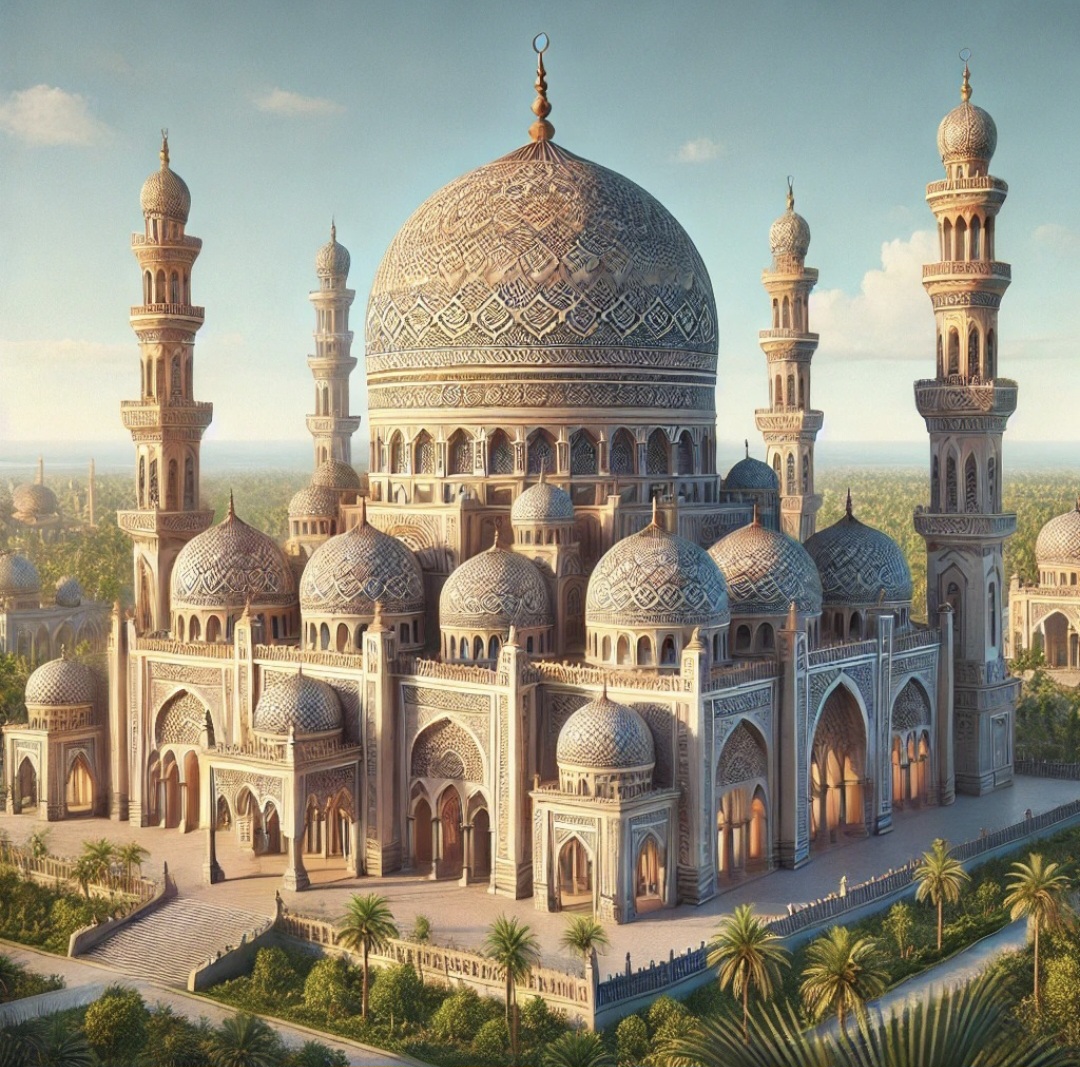
Chand Masjid is a modest local mosque situated in the Nausena area of Bulandshahr, Uttar Pradesh, serving as a serene place of worship for the Muslim community. It reflects the everyday Islamic heritage of the region, with simple architecture typical of community mosques in northern India. The mosque facilitates daily prayers and community gatherings, embodying the spiritual traditions of Bulandshahr's diverse population.
Chand Masjid, located in the quiet Nausena neighborhood of Bulandshahr, stands as a humble testament to the enduring Islamic presence in Uttar Pradesh's western plains. Bulandshahr district, historically known as Baran since ancient times and renamed "Bulandshahr" (meaning "High City") due to its elevated terrain, has been a crossroads of cultures since before 1200 BCE, with Islamic influences deepening after the 12th-century conquests by rulers like Muhammad of Ghor. While grander Mughal-era structures dot the broader region, Chand Masjid represents the grassroots evolution of faith, built to cater to the spiritual needs of local residents rather than imperial grandeur. The mosque's design is straightforward and functional, featuring a prayer hall oriented toward Mecca, arched doorways, and a minaret for the call to prayer (adhan). Constructed primarily with local materials like brick and lime mortar, it avoids ornate decorations, focusing instead on communal utility. Inside, the mihrab (niche indicating the qibla) and mimbar (pulpit) provide focal points for Friday sermons (jummah) and special observances like Eid prayers. Its compact size—estimated at around 1,000-1,500 square feet based on similar local mosques—accommodates 100-150 worshippers, fostering an intimate atmosphere for daily salah (prayers) and Ramadan taraweeh. Historically, Bulandshahr's Islamic sites, including this mosque, emerged amid the district's transition under Delhi Sultanate and Mughal rule, when Persian and Central Asian architectural elements blended with indigenous styles. Nausena, a residential locality near the Kali River, likely saw the mosque's establishment during a period of relative stability in the 1800s, as British colonial records note increased local mosque constructions for agricultural communities. Though no dedicated inscription or official gazetteer entry details its exact founding, cross-references with district surveys suggest it predates widespread 20th-century urbanization, serving migrants and farmers drawn to the area's fertile Ganga-Yamuna doab. Today, Chand Masjid remains integral to Nausena's social fabric, hosting iftar gatherings during Ramadan and Quran recitation classes for youth. Its location enhances accessibility, with proximity to Bulandshahr's main roads facilitating attendance from nearby villages like Agota and Ahar. As a non-touristic site, it preserves the unadorned essence of India's vernacular Islamic architecture, quietly upholding traditions amid the district's evolving landscape of wheat fields and pottery kilns in Khurja. Visitors respectful of prayer times can appreciate its role in sustaining community bonds, a quiet anchor in Bulandshahr's layered history.
Year of Built: Not Available
Address: 9RW4+JH8, Nausana, Uttar Pradesh 203001
Country: India
State: Uttar Pradesh
District: Bulandshahr
Pincode: 203001
Longitude: 77.849831° E
Latitude: 28.406963° N