
Indo Islamic Heritage


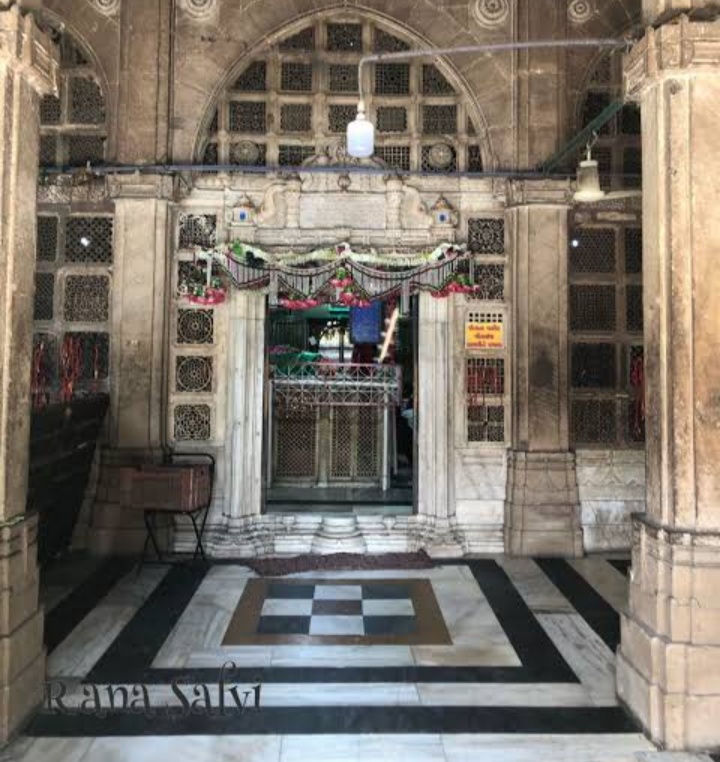
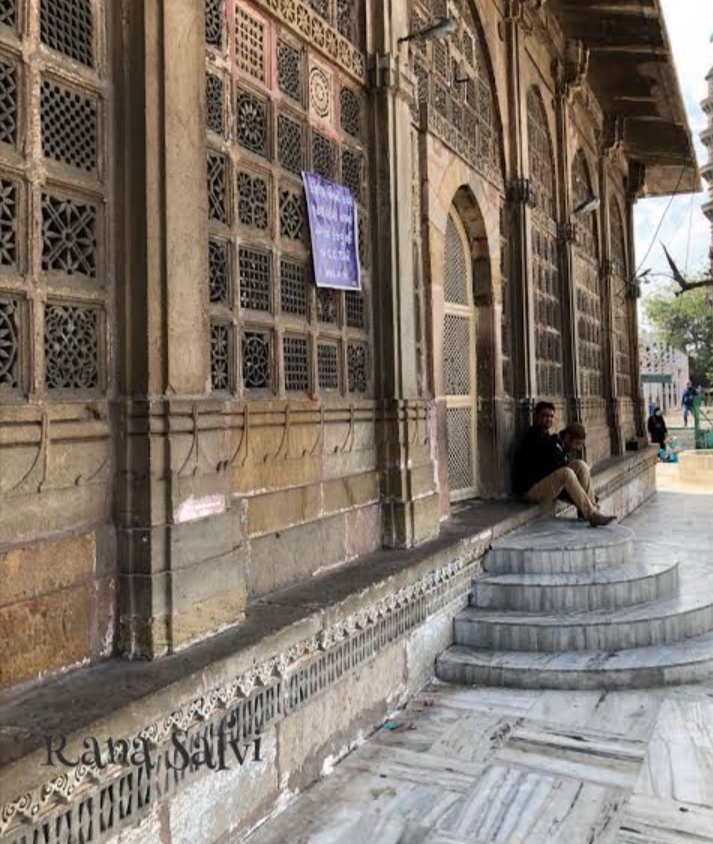
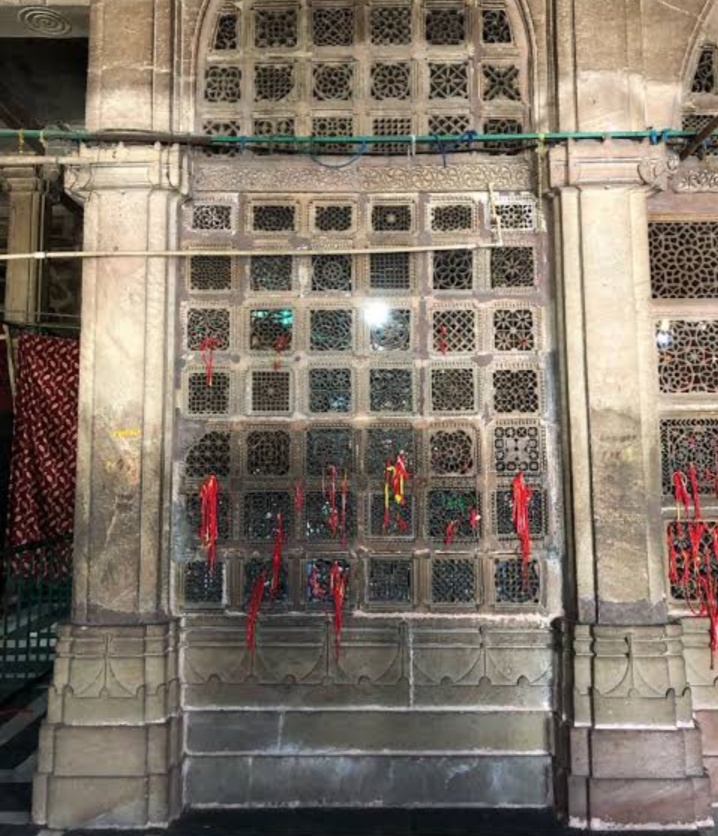
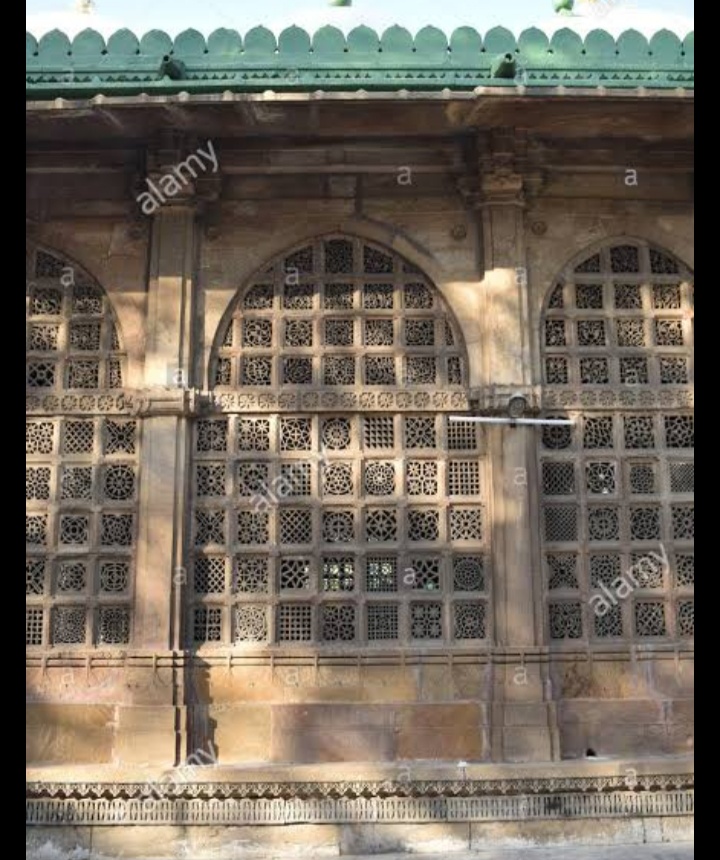
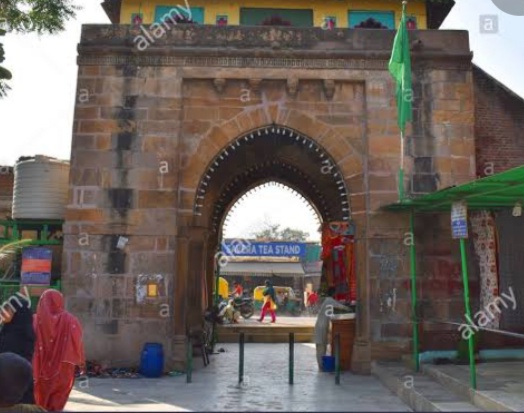
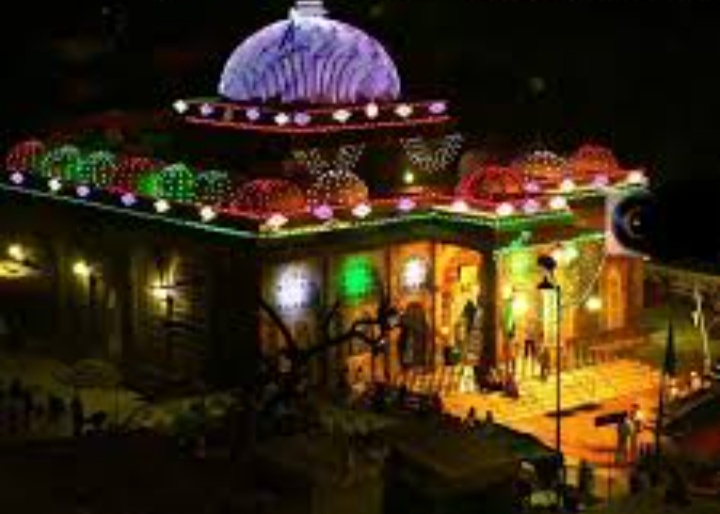
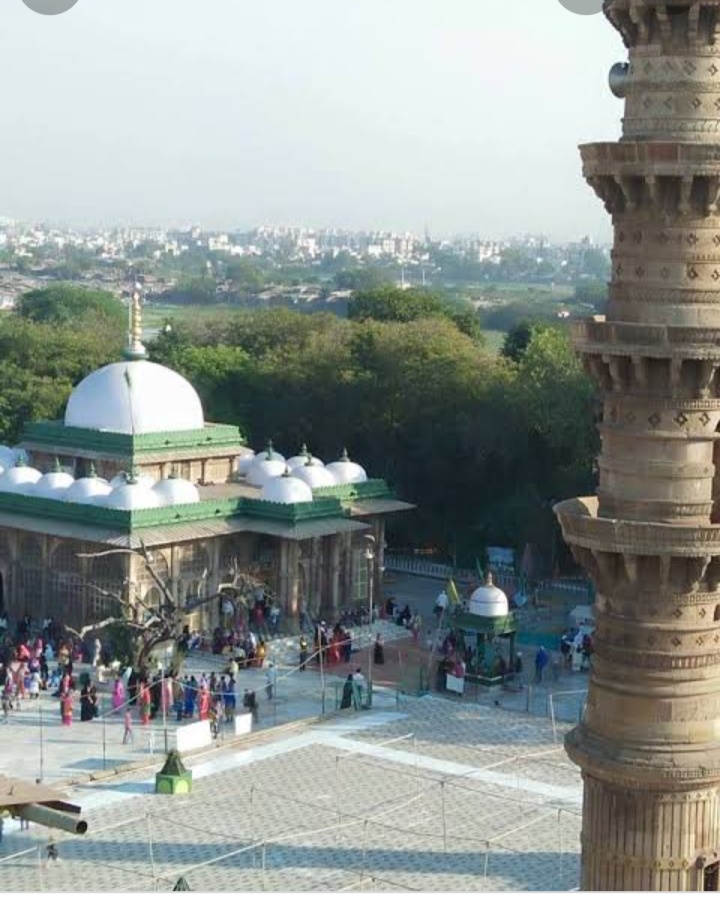
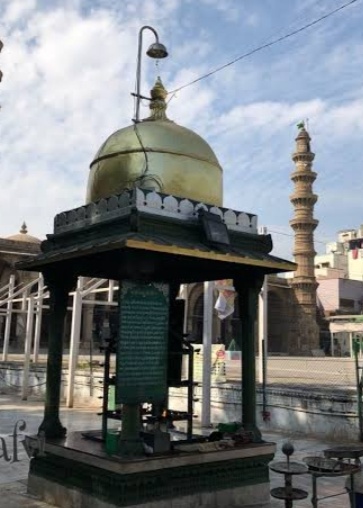
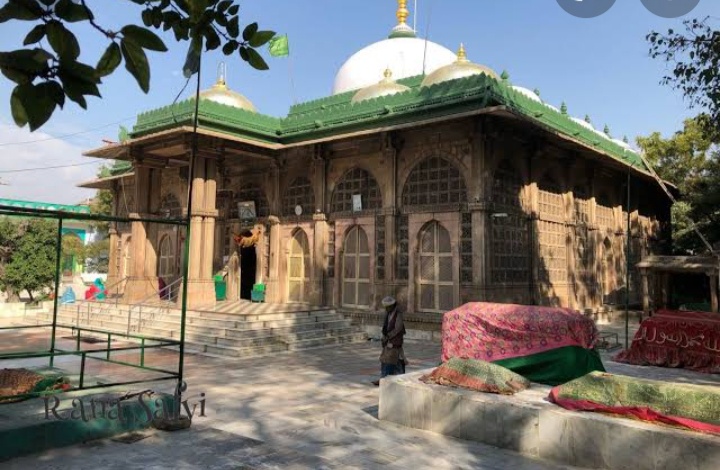
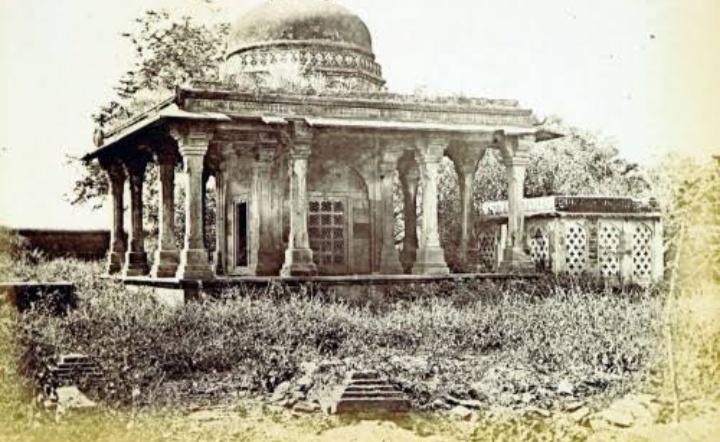
The Shah-e-Alam's Tomb and Mosque, also known as Rasulabad Dargah or Shah Alam no Rozo, is a prominent religious and architectural site located in the Shah Alam area of Ahmedabad, Gujarat, India.
Shah e Alam was a distinguished saint and scholar of the 15th century, revered for his spiritual guidance and contributions to Islamic teachings in Ahmedabad. He was the son of Syed Burhanuddin Qutub-ul-Alam and the great-grandson of the esteemed Sufi saint Syed Makhdoom Jahaniyan Jahangasht. His father, Syed Burhanuddin, was drawn to the flourishing court of Sultan Ahmed Shah I and eventually settled in Vatva, a small locality near Ahmedabad, where he passed away in 1452. Upon his father?s death, Shah e Alam succeeded him and became one of the most influential religious figures of his time. He served as a spiritual mentor to Sultan Mahmud Begada during his formative years, earning immense respect and recognition. His influence extended far beyond his death in 1475, and his tomb became a prominent site of pilgrimage and reverence. A magnificent complex comprising a tomb, mosque, and assembly hall was erected in his memory, all enclosed by an imposing bastioned wall that symbolized his enduring legacy. The enclosure, entered from the north through two intricately designed stone gateways, houses several architectural marvels. Passing through the second gateway, visitors encounter an assembly hall on the left, a structure attributed to the reign of Sultan Muzaffar Shah III (1561?1572). However, this hall suffered partial destruction in 1779 during the First Anglo-Maratha War when the British used its materials to support the siege of Ahmedabad. Adjacent to this hall are other historical buildings of uncertain origin. A reservoir lies ahead within the enclosure, adding to the serene ambiance. At the heart of this sacred space stands Shah e Alam?s tomb, the oldest and most significant structure in the complex. Constructed shortly after his death in 1475/1476 (AH 880) and completed in 1483/1484 (AH 888), the tomb was commissioned by Taj Khan Nariali, a noble in Mahmud Begada?s court. The tomb is an exquisite example of medieval Islamic architecture, combining simplicity and elegance. Built on a square plan, it features a central dome supported by 12 intricately carved pillars and is surrounded by double corridors topped with 24 smaller domes. The tomb?s arched entrances on all sides are complemented by beautifully perforated stone windows, allowing soft light to filter through. The west-facing main entrance, adorned with a projecting dome, enhances the grandeur of the mausoleum. Inside, the floor is inlaid with black and white marble, creating a striking pattern, while the brass doors and their intricately carved marble frames reflect the exceptional craftsmanship of the period. The tomb is further enclosed by a delicately pierced stone wall, with the northern outer wall showcasing an elaborate stone trellis design. Adjacent to the tomb is a mosque built in 1620 by Muhammad Salah Badakhshi. Its minarets, initially constructed by Nizabat Khan and completed by Saif Khan, embody the typical Islamic architectural style found in other regions of India. Although its design diverges slightly from Ahmedabad?s distinctive architectural style, the mosque remains an essential part of the complex. South of the mosque lies another tomb, modeled after Shah e Alam?s mausoleum, which serves as the resting place for his family, including Saiyyd Makhdum Alam, his sixth grandson. The surrounding structures add further historical depth to the site. To the west of the enclosure, an argo reservoir, commissioned by Taj Khan Nariali?s wife, provides a functional and aesthetic feature to the complex. Despite the damage caused by the devastating Rann of Kutch earthquake in 1819, the mosque?s minarets were meticulously restored in 1863, reflecting the continued care and reverence for the site over centuries. Additionally, the British government contributed to the upkeep of the Roza in 1867, acknowledging its cultural and historical significance. Over the centuries, Shah e Alam?s Roza has evolved into a symbol of spiritual and architectural heritage, attracting visitors and devotees alike. Its domes, marble inlays, and intricately designed trellises stand as testaments to the artistic and spiritual legacy of one of Ahmedabad?s most revered saints.
Year of Built: 16th Century
Address: Shah-E-Alam Roja, Ahmedabad, Gujarat , India
Country: India
State: Gujarat
District: Ahmedabad
Pincode: 380043
Longitude: 72.58932
Latitude: 22.994546