
Indo Islamic Heritage


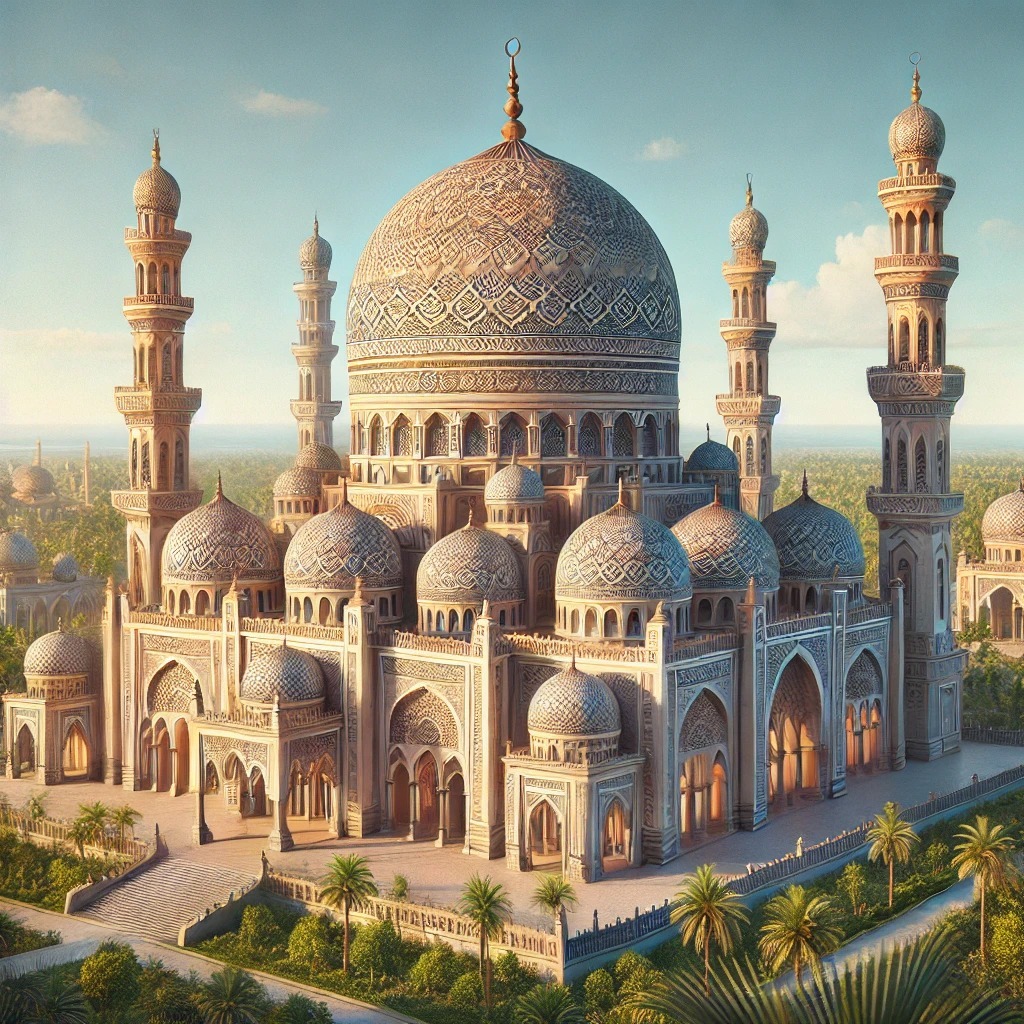
Mandhiri Dargah is a revered Sufi shrine located in the Mohamediapuram area of Dindigul.Dedicated to a saint known as Mandhiri, it serves as a spiritual destination for devotees seeking blessings, solace, and the fulfillment of vows. The dargah is a center for Sufi traditions, fostering an atmosphere of peace and communal harmony. It attracts visitors for prayer, meditation, and participation in its annual Urs festival. As a sacred tomb complex, it stands as an important religious and cultural landmark for the local community, upholding the legacy of Sufi spirituality and devotion in the region.
Mandhiri Dargah,situated in the Mohamediapuram locality of Dindigul, is a significant Sufi shrine that holds deep spiritual resonance for its devotees. The name "Mandhiri" likely refers to the title or name of the venerated saint interred here, which may have historical or linguistic roots in the local Tamil Muslim community. As a dargah, it is built around the saint's tomb, serving as a focal point for those who believe in the saint's continued spiritual presence (barakah) and power to intercede with the Divine. It is a place where individuals and families come to seek blessings for health, prosperity, and spiritual well-being, and to offer prayers of gratitude. The dargah complex typically features the central tomb (rauza), often under a domed structure, adorned with ceremonial cloths (chadars) and flowers. The architecture is usually simple and reflective of local Islamic design, with whitewashed walls, arched doorways, and an open courtyard that accommodates gatherings of devotees. The ambiance within is one of serene devotion, punctuated by the scent of incense and the soft murmurs of prayers and invocations. It provides a tranquil sanctuary for meditation, reflection, and personal connection with the spiritual realm. The cultural and spiritual significance of Mandhiri Dargah is most vividly expressed during its annual Urs festival. The Urs commemorates the death anniversary of the saint, symbolically celebrated as their wedding (urs) with God, marking their return to the divine beloved. This multi-day event transforms the dargah into a vibrant hub of devotional activity. The premises are illuminated, and the air resonates with Qawwali (Sufi devotional music), rhythmic chants, and special prayers (fatiha). Key rituals include the ceremonial washing of the tomb, the offering of a new chadar, and the distribution of sanctified food (langar) to all attendees, embodying the Sufi principles of charity, equality, and communal unity. The Urs attracts a diverse crowd, including people from different faiths, highlighting the dargah's role as a bridge between communities. Outside of the festival period, the dargah remains an active center for daily worship and community life. Devotees regularly visit to offer individual prayers, tie threads (mannat) on the shrine's lattice as tokens of their vows, and seek guidance. The shrine's caretakers (khuddam or sajjada nashin) preserve the rituals and manage the site, often belonging to a lineage associated with the saint. The dargah also functions as a subtle social institution, offering a space for community bonding and support. Managed by a trust or a committee of custodians, the dargah is maintained through the contributions of the faithful. This collective upkeep underscores the deep community ownership and reverence for the site. In essence, Mandhiri Dargah is more than a historical tomb; it is a living, breathing center of Sufi spirituality in Dindigul. It perpetuates the mystical Islamic traditions of love, devotion, and direct spiritual experience. By providing a space for hope, healing, and divine connection, it continues to be a vital spiritual landmark, anchoring the faith of the local Muslim community and serving as a testament to the enduring legacy of Sufi saints in Tamil Nadu.
Year of Built: Not Known
Address: 4217, Mohamediapuram, Dindigul, Tamil Nadu 624002
Country: India
State: Tamil Nadu
District: Dindigul
Pincode: 624002
Longitude: 77.8890
Latitude: 10.4165