
Indo Islamic Heritage


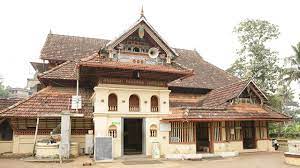
Thazhathangady Juma Masjid, located in Thazhathangady near Kottayam, Kerala, is one of India's oldest mosques, with a history spanning over a millennium. Renowned for its exquisite wooden architecture and intricate carvings, the mosque exemplifies traditional Kerala craftsmanship. Situated on the serene banks of the Meenachil River, it offers a tranquil environment for worshippers and visitors alike. The mosque's rich heritage and cultural significance make it a prominent landmark in Kerala's religious landscape.
Thazhathangady Juma Masjid, often referred to as the "Taj Juma Masjid," stands as a testament to Kerala's rich Islamic heritage. Situated in Thazhathangady, a heritage zone near Kottayam, this mosque is over a thousand years old, making it one of the oldest in India. Historical Significance: The mosque's origins are attributed to Habib Dinar, believed to be the son of Malik Dinar, a revered Islamic missionary who played a pivotal role in introducing Islam to Kerala. The arrival of Malik Dinar and his descendants marked the beginning of Islamic influence in the region, with Thazhathangady Juma Masjid serving as a central place of worship and community gathering. Architectural Marvel: The mosque is renowned for its traditional Kerala architecture, characterized by intricate wooden carvings and a unique structural design. The craftsmanship reflects the indigenous architectural style, with detailed latticework and ornate woodwork adorning the interiors and exteriors. This architectural elegance not only enhances the mosque's aesthetic appeal but also showcases the skilled artistry prevalent during its construction. Cultural and Religious Importance: Positioned along the tranquil banks of the Meenachil River, the mosque provides a serene atmosphere for worship and reflection. It has been a focal point for the Muslim community in Kottayam, playing a significant role in the region's religious and cultural activities. The mosque's enduring presence highlights the harmonious coexistence of diverse religious communities in Kerala. Preservation Efforts: In recent years, efforts have been made to preserve the mosque's historical and architectural integrity. While modernization has led to certain extensions using contemporary materials, care has been taken to maintain the original wooden structures and intricate designs that define its heritage. These preservation initiatives ensure that the mosque continues to stand as a symbol of Kerala's rich cultural tapestry. Visitor Information: Thazhathangady Juma Masjid is accessible to visitors who wish to explore its historical and architectural grandeur. Given its status as an active place of worship, visitors are expected to respect the sanctity of the mosque by adhering to appropriate dress codes and observing decorum. The mosque's proximity to Kottayam town makes it a convenient destination for those interested in Kerala's religious heritage. Conclusion: Thazhathangady Juma Masjid stands as a monumental edifice reflecting the confluence of history, architecture, and spirituality. Its ancient origins, coupled with its exquisite design, make it a cherished landmark in Kerala. The mosque not only serves as a place of worship but also as a beacon of the region's rich cultural and religious diversity, attracting scholars, historians, and tourists from around the world.
Year of Built: 890 CE
Address: Thazhathangadi Kurissupalli Rd, Kummanam, Kottayam, Kerala, India
Country: India
State: Kerala
District: Kottayam
Pincode: 686001
Longitude: 76.5215
Latitude: 9.5869