
Indo Islamic Heritage


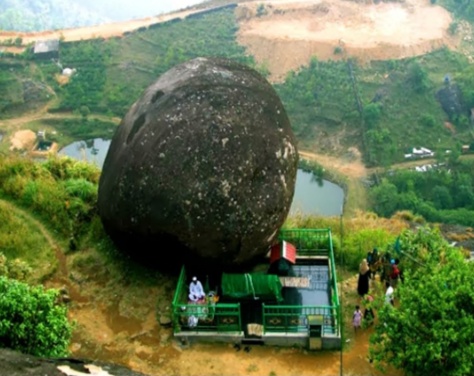
Thangal Para, located in Vagamon, Kerala, is a revered Muslim pilgrimage site known for the mausoleum of Hazrat Sheikh Fariduddin Baba, an Afghani Sufi saint who arrived in Kerala around 800 years ago. The site features a massive rock atop Thangal Hill, adding to its mystique. Notably, Vagamon is home to three hills, each representing different religions: Thangal Hill (Muslim), Kurisumala (Christian), and Murugan Hill (Hindu), symbolizing the region's religious harmony. Thangal Para attracts devotees and tourists alike, offering spiritual solace and panoramic views of the surrounding landscapes.
Thangal Para, situated in the serene hill station of Vagamon in Kerala's Idukki district, stands as a testament to the region's rich spiritual heritage and communal harmony. This sacred site is renowned for housing the mausoleum of Hazrat Sheikh Fariduddin Baba, an esteemed Sufi saint from Afghanistan who is believed to have arrived in Kerala approximately 800 years ago to propagate Islamic teachings. Historical Significance: Hazrat Sheikh Fariduddin Baba's journey from Afghanistan to the lush landscapes of Kerala underscores the historical connections and cultural exchanges between South Asia and the Middle East. His mausoleum at Thangal Para has since become a focal point for devotees seeking spiritual guidance and blessings. The presence of such a revered figure highlights the deep-rooted Islamic traditions in the region and the role of Sufi saints in fostering spiritual and communal bonds. Geographical and Cultural Context: Vagamon is distinguished by its trio of hills, each symbolizing a major religion practiced in Kerala: Thangal Hill: Home to Thangal Para, representing Islam. Kurisumala: Meaning 'Mountain of the Cross,' it is a significant Christian pilgrimage site, housing the Kurisumala Ashram, a Christian monastery known for its Indo-Swiss dairy farm project run by the monks. Murugan Hill: Dedicated to Lord Murugan, reflecting Hindu traditions. This unique convergence of religious sites within close proximity exemplifies Kerala's longstanding tradition of religious tolerance and coexistence. The Mystical Rock: A striking feature of Thangal Para is the enormous rock perched atop the hill, near the dargah (mausoleum) of Sheikh Fariduddin. This geological marvel adds an element of intrigue and attracts not only pilgrims but also geologists and tourists interested in natural wonders. Pilgrimage and Tourism: Thangal Para serves as a spiritual haven for Muslim devotees who visit the shrine to pay their respects to the Sufi saint. The site also appeals to tourists and trekkers, offering panoramic views of Vagamon's verdant valleys and mist-covered landscapes. The harmonious existence of multiple religious sites in the area provides visitors with a unique opportunity to experience Kerala's cultural diversity and spiritual unity. Accessibility: Vagamon is accessible by road from major cities like Kottayam and Kochi. The journey to Thangal Para involves a trek, which, while moderately challenging, rewards visitors with serene environments and breathtaking vistas. Conclusion: Thangal Para is more than just a pilgrimage site; it is a symbol of Kerala's rich tapestry of religious and cultural harmony. The mausoleum of Hazrat Sheikh Fariduddin Baba continues to be a beacon of spiritual solace, attracting visitors from various walks of life. Whether one seeks religious fulfillment, historical insight, or natural beauty, Thangal Para offers an enriching experience that resonates with the soul.
Year of Built: 17th-18th century
Address: Thangalpara, Vagamon, Kerala, India
Country: India
State: Kerala
District: Idukki
Pincode: 686582
Longitude: 78.7337
Latitude: 8.8844