
Indo Islamic Heritage


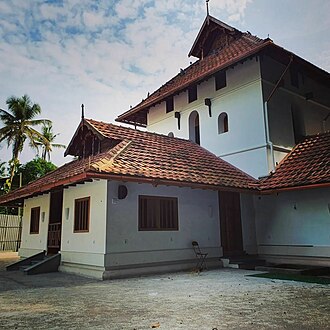
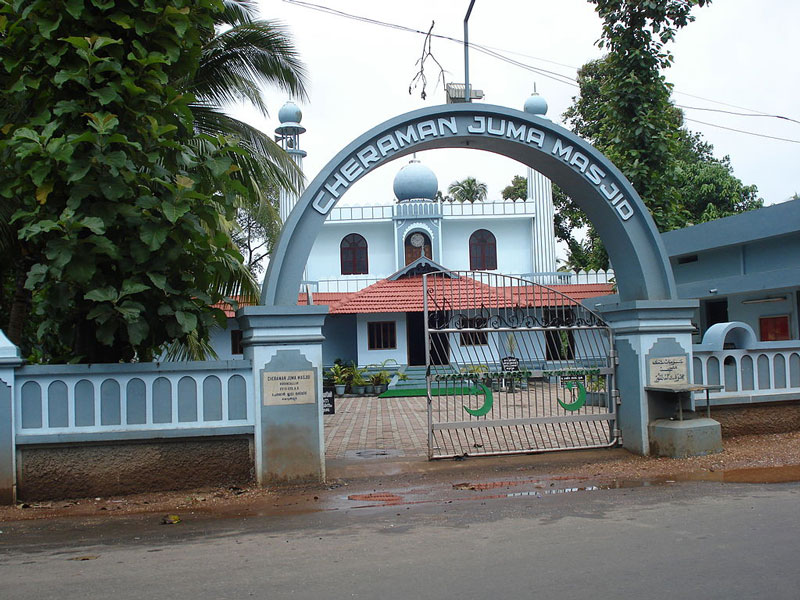
Cheraman Juma Masjid, located in Kodungallur, Kerala, is reputed to be the first mosque built in India, dating back to 629 CE. Established by Malik Bin Dinar, it showcases a unique blend of traditional Kerala architecture, featuring hanging lamps and a temple-like structure. The mosque stands as a testament to India's rich cultural and religious harmony, attracting visitors and devotees from various parts of the world. Despite renovations over the centuries, it retains its historical essence, making it a significant landmark in the history of Islam in India.
Cheraman Juma Masjid, situated in the historic town of Kodungallur in Thrissur district, Kerala, holds the distinguished title of being the first mosque established in India. According to historical accounts, it was constructed in 629 CE by Malik Bin Dinar, a revered Islamic missionary, making it one of the earliest mosques in the world where Jumu'ah (Friday) prayers were conducted. The mosque's inception is intertwined with the legend of Cheraman Perumal, the then ruler of Kerala. As per the lore, Cheraman Perumal experienced a divine vision of the moon splitting?a miracle attributed to the Prophet Muhammad. Intrigued and spiritually moved, he traveled to Mecca, embraced Islam, and adopted the name Tajuddin. Before his demise, he instructed his companions to spread the teachings of Islam in his homeland. Honoring his wishes, Malik Bin Dinar and his fellow missionaries arrived in Kerala and established the Cheraman Juma Masjid, symbolizing the advent of Islam in the Indian subcontinent. Architecturally, the mosque is a remarkable fusion of traditional Kerala style and Islamic design principles. Unlike typical Islamic structures, it features a sloped, tiled roof akin to local Hindu temples, reflecting the indigenous construction techniques of the time. The interiors are adorned with ornate wooden carvings and possess hanging oil lamps, reminiscent of Kerala's cultural aesthetics. This harmonious blend signifies the seamless integration of Islamic faith into the local cultural milieu. Throughout its existence, Cheraman Juma Masjid has undergone several renovations to preserve its structural integrity and historical significance. Notably, the mosque suffered destruction in 1504 during an attack by Portuguese commander Lopo Soares de Albergaria. The subsequent reconstruction efforts, spanning from the mid-16th to early 17th centuries, aimed to restore its original grandeur. In 1984, additional corridors and halls were constructed, enveloping the old building and concealing much of its exterior features. Despite these modifications, the mosque has retained its spiritual ambiance and continues to serve as a place of worship and communal harmony. The mosque's management is overseen by the Cheraman Juma Masjid Committee, ensuring its maintenance and the continuation of religious activities. In recent years, efforts have been initiated to enhance the mosque's role as a cultural and educational hub. Plans to establish a heritage museum and digital library within the mosque complex aim to educate visitors about the rich history of Islam in India and the legacy of the Cheraman Juma Masjid. The mosque's significance extends beyond its religious function; it stands as a monument to India's pluralistic society and the historical interactions between diverse cultures and faiths. Visitors to the mosque can observe the unique architectural features, participate in the serene ambiance of the prayer halls, and reflect on the centuries-old legacy that continues to inspire communal harmony and spiritual devotion.
Year of Built: 629 CE
Address: Kodungallur, Thrissur District, Kerala, India
Country: India
State: Kerala
District: Thrissur
Pincode: 680664
Longitude: 76.1991
Latitude: 10.2222