
Indo Islamic Heritage


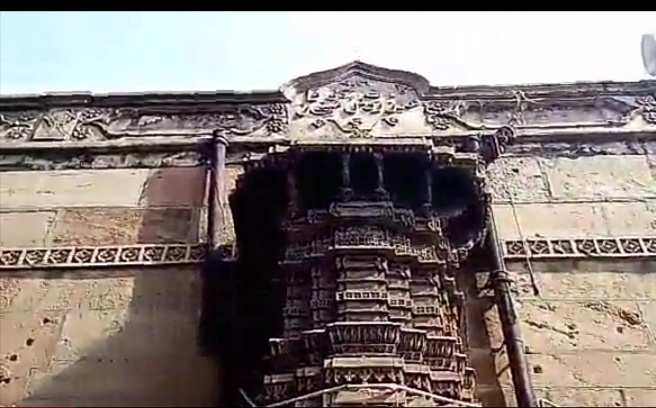
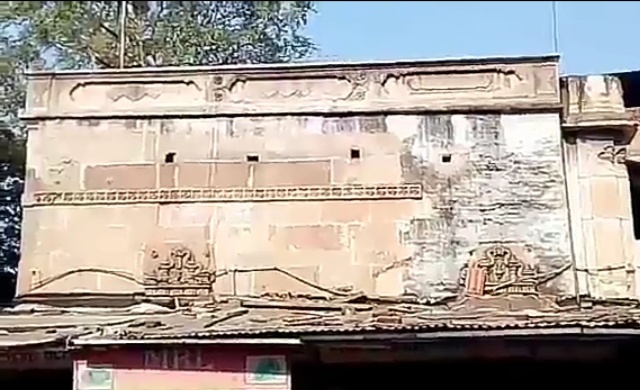
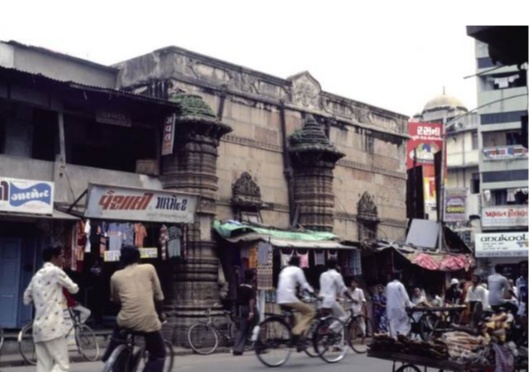
The Chhota Idrush Masjid, located in the Gheekanta area on Relief Road, Ahmedabad, is a historical mosque reflecting the architectural heritage of Gujarat
The Chota Idrush Masjid, also known as the Dargah or Masjid of Nanha Idrus, is a historic architectural complex situated in the Gheekanta neighborhood along Relief Road in Ahmedabad, Gujarat. It is a site of significant cultural and historical value, nestled within the heart of the old walled city. The mosque lies in close proximity to the Old Collector?s Office, near the intersection of Gheekanta Road and Relief Road. Its origins trace back to the Mughal period, with its construction dated to the reign of Emperor Aurangzeb, between 1658 and 1707 CE (1068-1118 AH). Originally referred to as Ali Khan Qazi Masjid, the mosque later came to be known as Nanha Idrus or Chhota Idrus, as noted by James Burgess in his 1905 survey of Islamic architecture in Ahmedabad. The complex encompasses two tombs and a mosque, reflecting the architectural elegance and historical depth of the period. The mosque, though reduced to half its original size by the time of Burgess' survey, retained elements of its grandeur. The structure featured a square layout, divided into three aisles aligned perpendicular to the qibla, each comprising three bays. This configuration was supported by two rows of three columns, interconnected by arches. The qibla wall was distinguished by an ornate mihrab, a niche indicating the direction of prayer, flanked by two intricately designed windows. Additional windows adorned the southern side wall, providing ventilation and light. The western facade of the mosque, situated behind the qibla, showcased three elaborate buttresses, which marked the positions of what were once three mihrabs. By 1905, only the southernmost mihrab remained intact, highlighting the passage of time and structural changes. The tombs within the complex exhibit exquisite craftsmanship. The first tomb, dedicated to Shah Ali Razzak, consists of a square pavilion crowned by nine small domes, each corresponding to one of the nine bays within the structure. By 1984, the open spaces between the outer pillars of this pavilion had been enclosed, altering its original design. The second tomb, commemorating Nanha Idrus, features a unique architectural composition. It is a square pavilion supported by two concentric sets of columns: an inner square arrangement of twelve columns and an outer row of twenty columns. The inner columns bear the central dome and are interconnected by intricately carved marble screens, or jalis, which form a serene and enclosed tomb chamber. The outer row of columns remains open, creating a veranda that encircles the central chamber, blending functionality with aesthetic appeal. This architectural ensemble not only serves as a religious site but also stands as a testament to the Mughal era's rich artistic and cultural heritage. The intricate details, structural adaptations over centuries, and the blend of open and enclosed spaces reflect the ingenuity and spiritual significance imbued in its design.
Year of Built: 15th Century
Address: Bhadra Rd, Old City, Gheekanta, Bhadra, Ahmedabad, Gujarat , India
Country: India
State: Gujarat
District: Ahmedabad
Pincode: 380001
Longitude: 70.3457
Latitude: 22.6598