
Indo Islamic Heritage


.jpg)
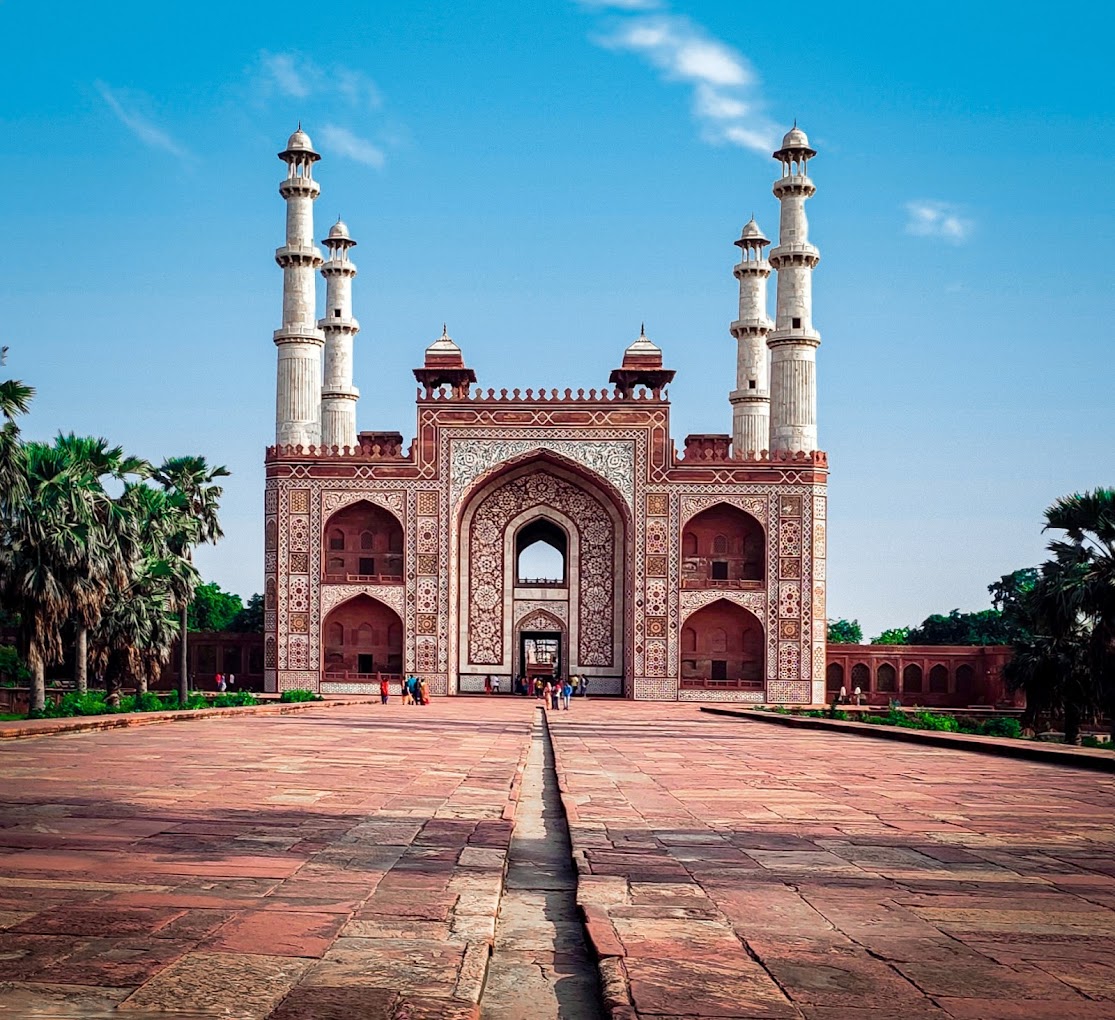
Akbar?s Tomb, Agra: A Majestic Testament to Mughal Grandeur Nestled in the peaceful town of Sikandra, on the outskirts of Agra, lies the magnificent Tomb of Akbar the Great. This awe-inspiring monument is a fitting tribute to one of the most illustrious rulers of the Mughal Empire, Emperor Akbar. Nearest Bus Stop: Sikandra Bus Stand (Approx. 1 km away) Nearest Railway Station: Agra Cantt Railway Station (Approx. 10 km away) Nearest Metro Station: Taj Mahal Metro Station (Approx. 13 km away) Nearest Airport: Agra Airport (Kheria) ? Approx. 13 km away. Indira Gandhi International Airport, Delhi, is about 220 km away, offering broader connectivity for international travelers.
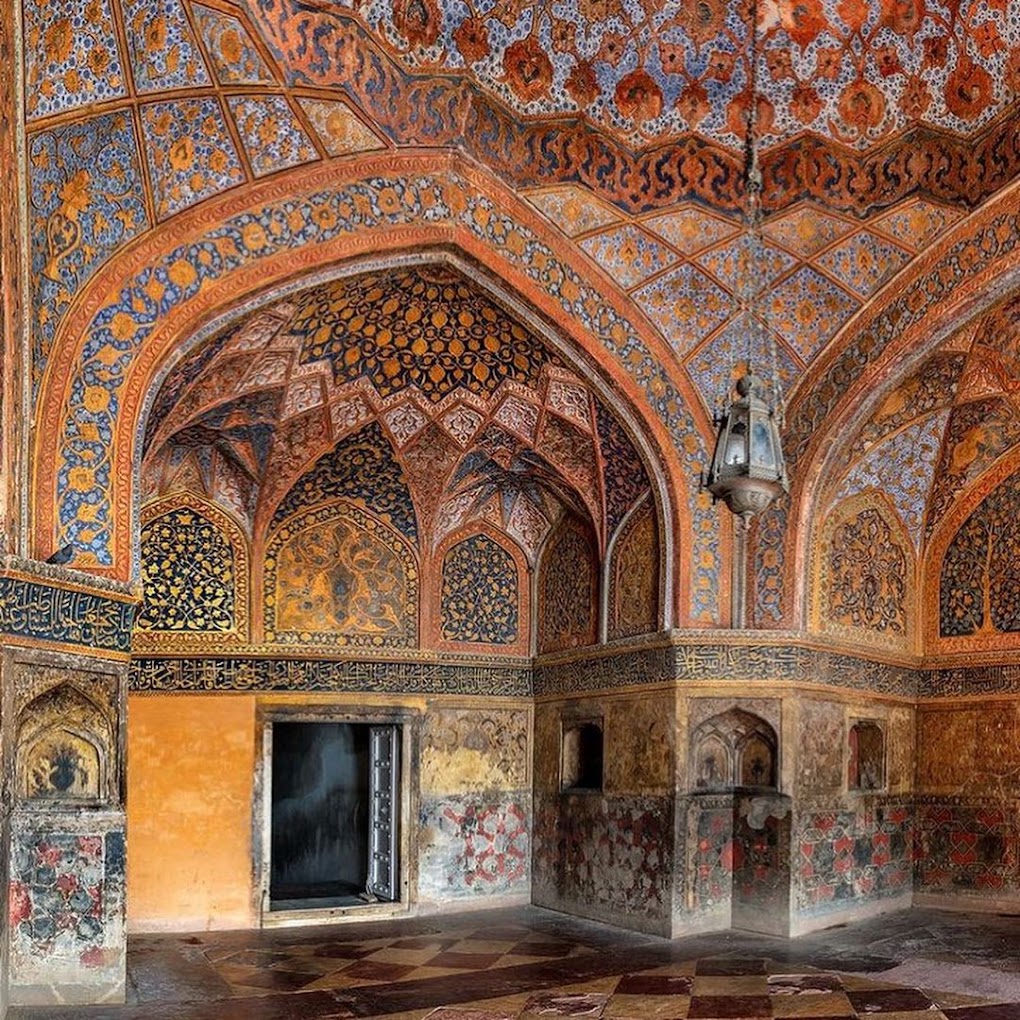
Nestled in the peaceful town of Sikandra, on the outskirts of Agra, lies the magnificent Tomb of Akbar the Great. This awe-inspiring monument is a fitting tribute to one of the most illustrious rulers of the Mughal Empire, Emperor Akbar, who reigned from 1556 to 1605. The tomb, completed in 1613, stands as a majestic example of Mughal architecture, blending Persian, Timurid, and Indian styles to create a structure of unparalleled beauty and grandeur. Historical Significance The Tomb of Akbar holds immense historical importance as it marks the final resting place of Emperor Akbar, one of the most revered rulers in Indian history. Akbar was known for his vision, religious tolerance, and contributions to art, culture, and architecture. His reign ushered in a golden era for the Mughal Empire, with remarkable advancements in governance, trade, and the arts. The tomb was commissioned by Akbar himself during his lifetime, but it was completed by his son, Jahangir, after Akbar?s death in 1605. The tomb?s location in Sikandra was chosen for its proximity to Agra, and it reflects the emperor?s wish to be buried in a serene and harmonious environment, away from the hustle and bustle of the city. Architectural Features The Tomb of Akbar is a magnificent example of Mughal architecture, with its grand design, elegant symmetry, and intricate craftsmanship. Here are some of its key features: The Entrance Gateway: The tomb is accessed through a massive red sandstone gate, adorned with white marble inlay work and intricate carvings. This gateway is a fine example of Mughal architecture, with its large arches and geometric patterns. The Central Tomb: The tomb itself is a three-story structure made primarily of red sandstone and white marble. It stands at the center of a vast charbagh (four-part garden), which is divided by water channels, symbolizing the paradise on Earth. The central chamber houses the grave of Akbar, and surrounding it are smaller graves of his family members. The Dome: The tomb is crowned with a stunning dome made of marble, which rises majestically against the skyline. The dome is surrounded by four minarets, each adorned with detailed carvings and motifs, contributing to the symmetrical beauty of the monument. Persian and Indian Design Fusion: The architectural design of Akbar's tomb reflects a blend of Persian and Indian styles, with influences from Central Asia, resulting in an elegant fusion of decorative elements. The tomb's walls are adorned with detailed marble inlay work, floral patterns, and Arabic calligraphy, adding to its grandeur. Surrounding Gardens: The tomb is set in a vast, well-maintained garden that follows the charbagh pattern. The four quadrants are laid out symmetrically, with pathways and water features that further enhance the peaceful atmosphere of the monument. The Tomb of Akbar is not only a beautiful and peaceful resting place for one of India's most legendary emperors but also a significant architectural masterpiece. Its impressive structure, set amidst tranquil gardens, provides a glimpse into the grandeur of the Mughal Empire. Whether you're a history buff, an architecture enthusiast, or simply someone seeking peace and serenity, this tomb offers an unforgettable experience. Visiting Akbar?s Tomb is a journey back in time, where the artistry of the Mughal dynasty and the legacy of Akbar?s reign live on in its stunning architecture.
Year of Built: 1613 AD
Address: Tomb of Akbar The Great Area, Sikandra, Agra, Uttar Pradesh 282007
Country: India
State: Uttar Pradesh
District: Agra
Pincode: 282007
Longitude: 78.0160? E
Latitude: 27.1807? N