
Indo Islamic Heritage


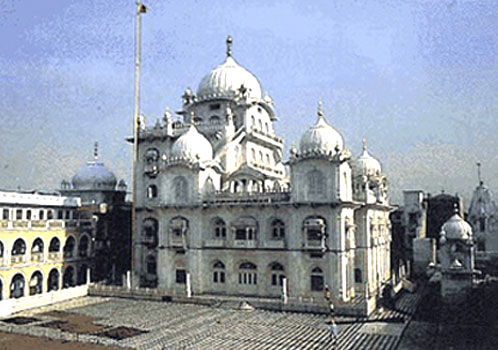
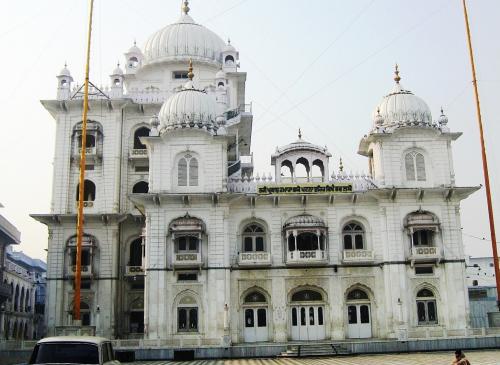
Pathar Ki Masjid, constructed in 1621 CE by Parvez Shan, the son of Emperor Jahangir, stands as a magnificent example of Mughal architecture in Bihar. The mosque is entirely made of stone, which lends it its name and ensures its lasting durability. Blending both Islamic and Hindu architectural styles, it features intricate stone carvings, geometric patterns, and floral motifs, along with the iconic three-domed structure. Despite its historical significance, the mosque remains relatively undisturbed, preserving its original design. Today, it serves as a serene place of worship, reflecting the rich cultural heritage of medieval Bihar.
Pathar Ki Masjid, literally meaning "Stone Mosque," is a unique and historically significant structure located in Patna, Bihar. Built in 1621 CE by Parvez Shan, the son of Emperor Jahangir, this mosque stands as an exceptional example of Mughal architecture in eastern India. What sets the mosque apart is its use of stone as the primary building material, which was quite rare for mosques in the region at that time. The choice of stone not only gave the mosque its name but also contributed to its long-lasting durability, ensuring its survival through centuries of weathering and historical turmoil. Architecturally, Pathar Ki Masjid is an extraordinary blend of both Islamic and Hindu artistic styles, a reflection of the syncretic culture that characterized medieval Bihar. The mosque's fa?ade is adorned with intricate stone carvings that feature Islamic geometric patterns alongside floral motifs often seen in Hindu temple art. This fusion of styles highlights the cultural amalgamation that was a hallmark of Mughal-era architecture in India, especially in regions like Bihar where diverse cultural influences coexisted. The mosque is notable for its elegant stone pillars that support the main prayer hall. These pillars, intricately carved, are a testament to the skill of the artisans who built the mosque. The mihrab, the prayer niche that indicates the direction of Mecca, is beautifully decorated with Quranic inscriptions, making it both a functional and ornamental focal point of the mosque. One of the mosque's most striking features is its three-domed roof, a classic element of Mughal architecture. The central dome, which is the largest and most elaborate, rises above the two flanking smaller domes. This visual hierarchy not only enhances the mosque's grandeur but also symbolizes the central importance of the prayer space. The domes, along with the mosque?s arched windows and decorative elements, add to its overall aesthetic appeal, making it a masterpiece of Islamic architectural design. Despite its architectural brilliance and historical significance, Pathar Ki Masjid remains relatively unknown compared to other prominent monuments in Bihar, such as the famous Mahabodhi Temple or the ruins of Nalanda. This relative obscurity has, however, been a blessing in disguise. It has helped preserve much of the mosque's original structure and d?cor, as it has not been subjected to the same level of tourism and modern alterations that have affected other historical sites. Today, Pathar Ki Masjid serves not only as a place of worship for the local Muslim community but also as a symbol of Bihar?s rich multicultural past. The mosque offers visitors a glimpse into a bygone era of cultural synthesis, artistic excellence, and architectural innovation. Its serene environment and historic charm continue to attract those interested in exploring the architectural and cultural heritage of medieval India, particularly the Mughal period.
Year of Built: 1621 CE (during the reign of Parvez Shan, son of Emperor Jahangir)
Address: Ashok Rajpath Rd, Tripolia, Patna, Bihar 800006
Country: India
State: Bihar
District: Patna
Pincode: 800001
Longitude: 85.1295
Latitude: 25.6021