
Indo Islamic Heritage


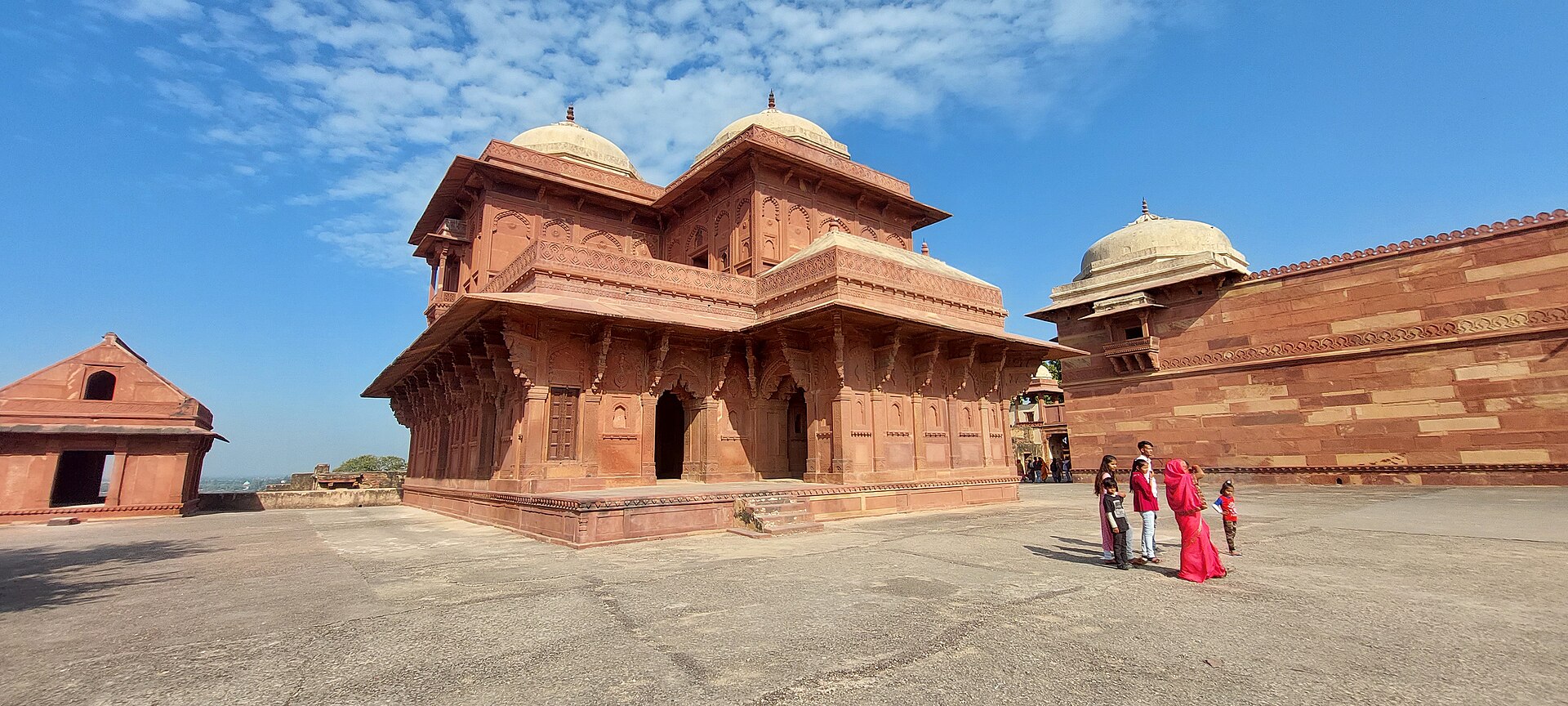
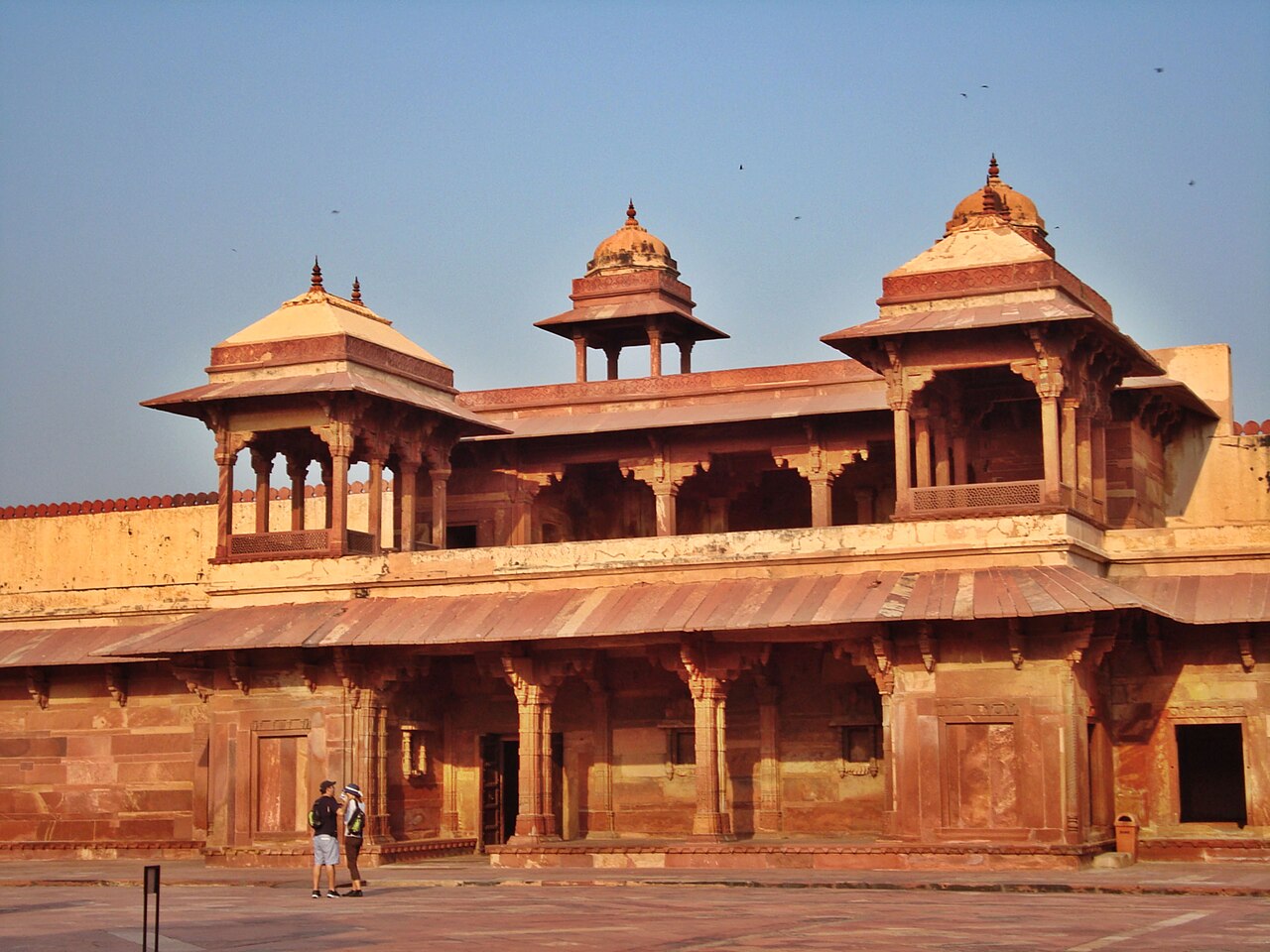
Jodha Bai Palace, Fatehpur Sikri: A Symbol of Mughal Grandeur and Royal Romance Nestled within the historic Fatehpur Sikri, the Jodha Bai Palace stands as an architectural marvel, showcasing the rich cultural heritage and grandeur of the Mughal era. Known for its beautiful blend of Persian, Indian, and Central Asian architectural styles, the palace offers visitors a glimpse into the royal life during the reign of Emperor Akbar. Nearest Bus Stop: Fatehpur Sikri Bus Stand (Approx. 2 km away) Nearest Railway Station: Fatehpur Sikri Railway Station (Approx. 4 km away) Nearest Metro Station: The nearest metro station is in Agra, about 37 km away. Nearest Airport: Agra Airport (Kheria) ? Approx. 40 km away. Indira Gandhi International Airport in Delhi is about 220 km away, offering convenient access for international visitors.
Nestled within the historic Fatehpur Sikri, the Jodha Bai Palace stands as an architectural marvel, showcasing the rich cultural heritage and grandeur of the Mughal era. Known for its beautiful blend of Persian, Indian, and Central Asian architectural styles, the palace offers visitors a glimpse into the royal life during the reign of Emperor Akbar. Named after Jodha Bai, the Rajput princess who became Akbar?s wife, this palace is an important symbol of the harmonious fusion between Mughal and Rajput cultures. Historical Significance The Jodha Bai Palace is one of the most significant structures within the Fatehpur Sikri complex, a city built by Emperor Akbar as his imperial capital in the late 16th century. The palace is believed to have been the residence of Jodha Bai, Akbar?s beloved wife, who was the daughter of the Rajput King of Amber. This marriage symbolized the union of two great cultures?Mughal and Rajput?and played a key role in fostering peace and strengthening the political alliances between the two regions. The palace is a symbol of Akbar's approach to governance, which was characterized by religious tolerance and cultural fusion. It was in this palace that Akbar held his court and discussions with his courtiers, and it is believed to have been one of the most important centers for royal administration during his reign. The presence of Jodha Bai in the palace also marks an important chapter in Akbar's personal life, as he valued her wisdom and counsel. Architectural Features The Jodha Bai Palace is renowned for its distinctive fusion of architectural styles, combining Hindu and Islamic elements to create a harmonious blend that was typical of the Mughal era under Akbar?s rule. Some key architectural features of the palace include: Grand Entrance: The palace is accessed through a large gateway, which is adorned with intricate carvings and geometric patterns that reflect the beauty of Mughal architecture. Courtyard Layout: The palace features a spacious central courtyard that was once used for various royal activities and gatherings. The courtyard is surrounded by rooms and chambers, all designed to reflect the opulence of the Mughal court. Fusion of Styles: The Jodha Bai Palace is known for its unique architectural blend. The structure features Islamic arches and domes alongside Hindu-style pillars and carvings, creating an eclectic design that symbolizes the cultural harmony of the Mughal Empire under Akbar. This fusion is particularly evident in the palace?s ornate pillars and carved windows, which showcase a blend of Islamic and Hindu artistic traditions. Residential Quarters: The palace was once a royal residence, and the living quarters are designed to offer comfort and elegance. The rooms are spacious, with high ceilings and large windows, allowing for ventilation in the warm Indian climate. The intricate stone carvings and painted designs on the walls further enhance the palace?s aesthetic appeal. Decorative Features: The use of red sandstone and marble inlay work is prominent throughout the palace. The carvings depict both floral and geometric patterns, as well as motifs inspired by Indian mythology and Mughal symbolism. Water Channels and Gardens: The palace is surrounded by lush gardens with well-maintained water channels and fountains. These features were not only for aesthetic appeal but also served as a cooling mechanism in the hot climate of Fatehpur Sikri. The Jodha Bai Palace in Fatehpur Sikri is a breathtaking example of Mughal and Rajput architectural fusion, symbolizing the cultural and political harmony of the Mughal Empire. The palace?s intricate designs, serene courtyards, and historical significance make it a must-visit landmark for anyone exploring the rich heritage of India. Whether you're an architecture enthusiast, a history lover, or simply seeking a tranquil escape, the Jodha Bai Palace offers a journey through the grandeur of Mughal India and the legacy of one of the most remarkable rulers in history.
Year of Built: 16th CENTURY
Address: 3MW7+PW5, Dadupura, Fatehpur Sikri, Uttar Pradesh 283110
Country: India
State: Uttar Pradesh
District: Agra
Pincode: 283110
Longitude: 77.6618? E
Latitude: 27.0969? N