
Indo Islamic Heritage


1.jpg)
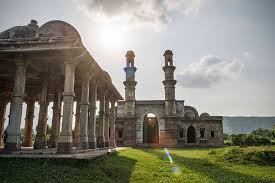
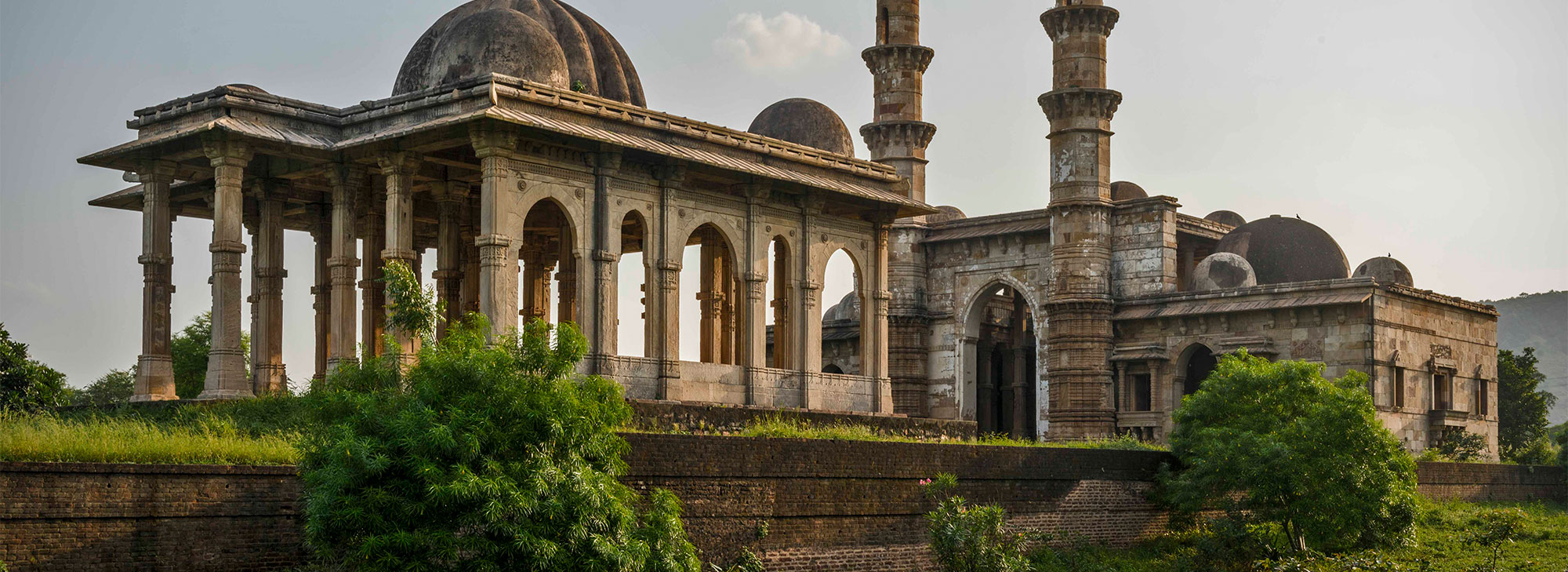
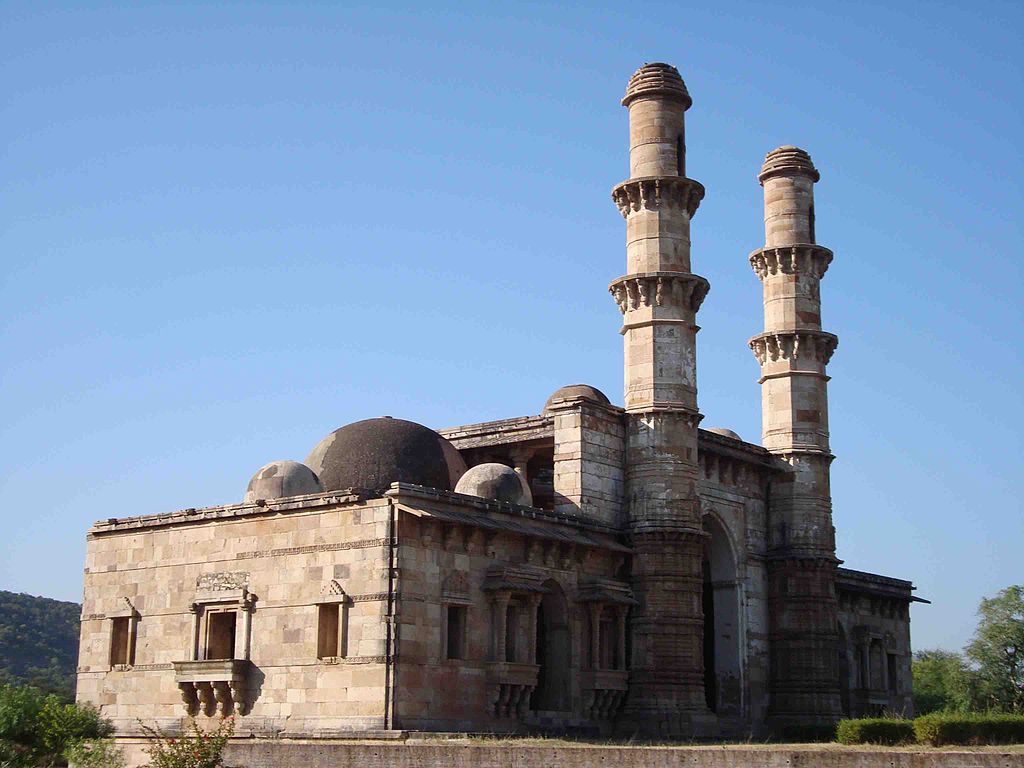
The Kevada Mosque, also referred to as Kewda or Kevda Mosque, is a significant historical and architectural site located in Champaner, Gujarat, India. It is a former mosque and includes an adjoining cenotaph, both recognized as Monuments of National Importance.
The Kevada Mosque in Champaner, built during the reign of Sultan Mahmud Begada, holds historical and architectural significance within the Champaner-Pavagadh Archaeological Park. Alongside other prominent mosques in the region, such as the Bawaman, Jama, Lila Gumbaj Ki, Nagina, Ek Minar, Khajuri, and Shahar Ki mosques, the Kevada Mosque showcases the rich cultural heritage of the era. Descriptions of these mosques, including the Kevada, were first documented by James Burgess and Henry Cousens, leading to the development of roads for better access to these historical monuments. What sets the Kevada Mosque apart is its unique mausoleum, which enhances its architectural prominence. The Kathra Mosque, located to the west of the Kevada Mosque, adds to the historical context of the area. Architecturally, the Kevada Mosque is distinguished by its intricately carved mihrabs, which are numerous and ornate. A rectangular layout defines the mosque, which also features a damaged brick tank once used for ablutions before prayers. Adjacent to this tank is the mosque's cenotaph, a square structure with a fluted central dome and four smaller corner domes, lending an elegant symmetry to the design. The mosque's niches are adorned with floral and geometrical patterns, enhancing its aesthetic appeal. Its double-storied prayer hall, once topped by three domes, now stands with the central dome missing, yet the surviving domes and architectural elements still convey its grandeur. The mosque?s inter-column spaces, featuring what are believed to be "tribate" designs, and its windows with intricately carved balconies supported by pillars, add to its artistic and structural allure. Two minarets, richly adorned with carvings, further highlight the skilled craftsmanship of the period. Restoration efforts have played a crucial role in preserving the Kevada Mosque and other monuments in the Champaner-Pavagadh Archaeological Park. Significant restoration work was undertaken in the 1890s, and more extensive conservation initiatives were carried out by the Archaeological Survey of India (ASI) in the early 2000s. By 2006, ASI had invested Rs 2.25 crores (approximately US$0.45 million) over a four-year period in restoring the mosque and other landmarks such as the Jami Mosque, fort walls, Bawaman Mosque, Lila Gumbaz, and the tombs of Sikandar Shah. An additional Rs 1.15 crores (around US$0.23 million) was allocated for further restoration work. These efforts not only helped to preserve the structural and artistic integrity of the monuments but also contributed to a slight increase in tourist interest and footfall to the region.
Year of Built: 15th Century
Address: Champaner, Gujarat
Country: India
State: Gujarat
District: Panchmahal
Pincode: 389360
Longitude: 73.537
Latitude: 22.4859