
Indo Islamic Heritage


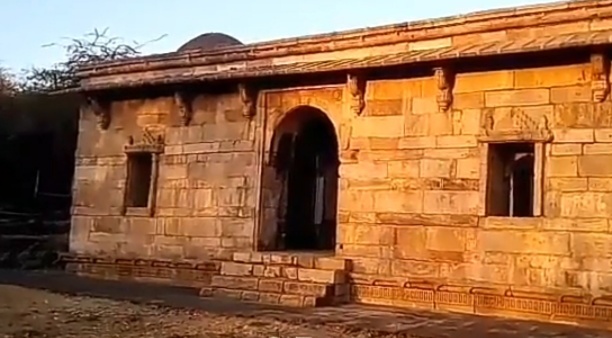
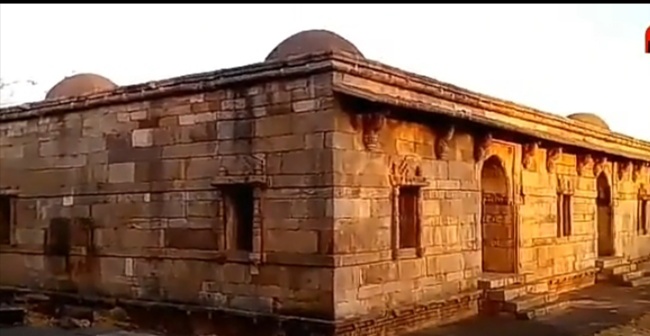
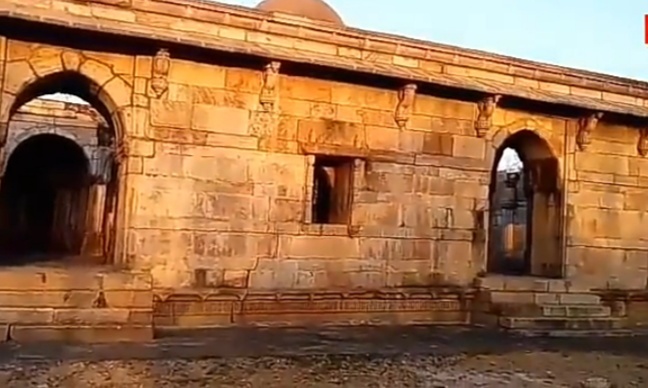
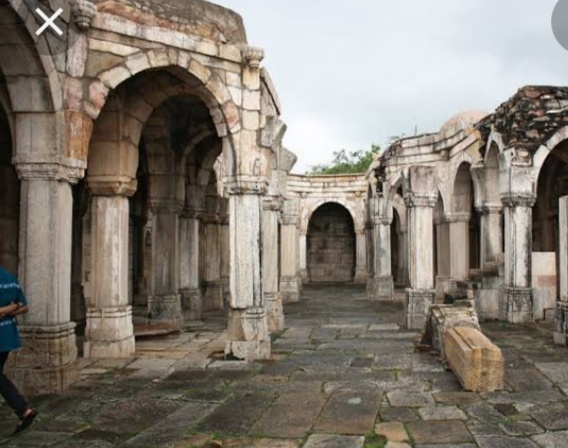
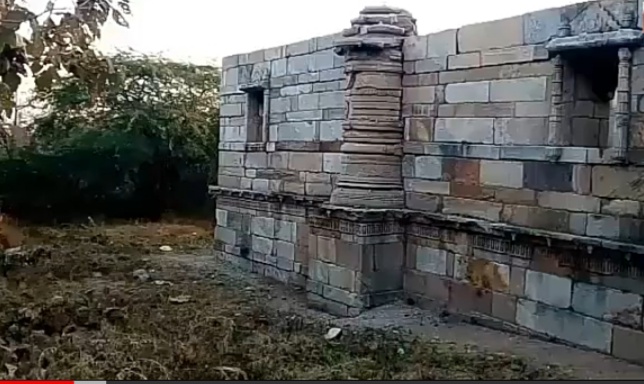
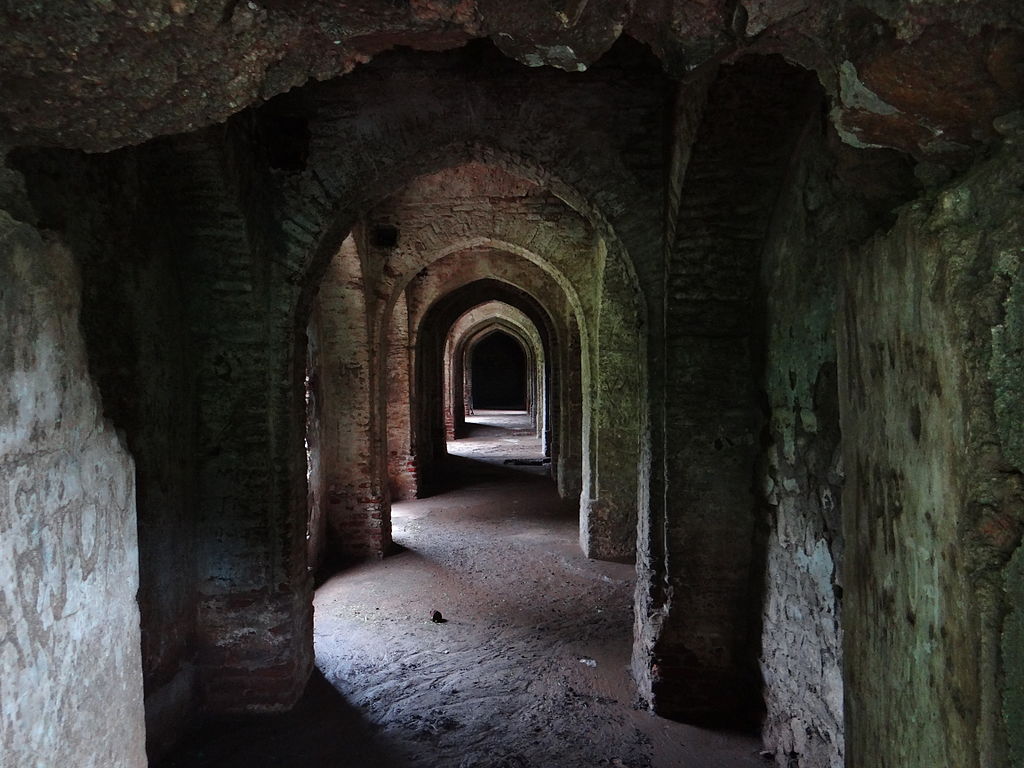
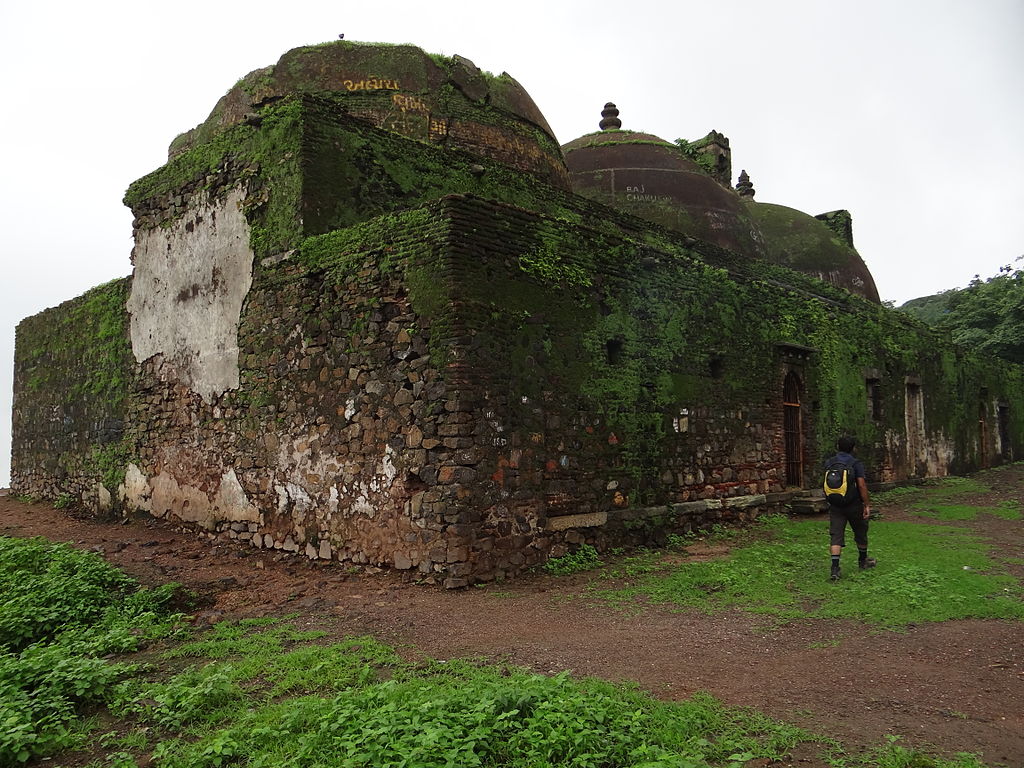
The Bawaman Mosque, also known as Bava Man's Masjid, is a historically significant structure located in Champaner, western India. It is recognized as a Monument of National Importance and forms part of the Champaner-Pavagadh Archaeological Park, a UNESCO World Heritage Site
The Bawaman Mosque, also referred to as Bava Man?s Masjid, derives its name from Bawaman (or Bava Man), a revered saint in Baroda. Bawaman was a devout follower of Sadan Shah, whose tomb is situated within the Kalika Mata Temple at the summit of Pavagadh Hill, an important part of the Champaner-Pavagadh Archaeological Park. This mosque was constructed during the reign of Mahmud Begada, a prominent ruler who was instrumental in shaping the architectural legacy of Champaner. Alongside the Bawaman Mosque, several other iconic mosques were built in the region, including the Jama Masjid, Kevada Masjid, Lila Gumbaj Ki Masjid, Nagina Masjid, and others such as the Ek Minar, Khajuri, and Shahar Ki Masjid, each reflecting the unique blend of Islamic and regional architectural styles that flourished during this period. Over the years, the mosque has endured the effects of time, resulting in wear and damage to various structural elements. In 1985, the Archaeological Survey of India (ASI) initiated restoration efforts to preserve the mosque?s architectural integrity. Key activities included the removal of deteriorated lime concrete material from the roof and the resetting of loose stones in the arches. By 2006, the ASI had conducted extensive restoration across several heritage monuments in the Champaner-Pavagadh Archaeological Park, including the Bawaman Mosque, Jama Masjid, Kevada Masjid, and Lila Gumbaj Ki Masjid, along with the fort walls and tombs of Sikandar Shah. These conservation projects, undertaken at a cost of ₹2.25 crores, played a significant role in enhancing the appeal of these historical sites, leading to a noticeable increase in tourist activity. An additional allocation of ₹1.15 crores further supported ongoing preservation efforts. Following damage caused by an earthquake, the ASI undertook further conservation work, as reported in 2009, ensuring the long-term stability of these culturally significant structures. The architectural features of the Bawaman Mosque are a testament to the skilled craftsmanship of the time. The mosque is built on a raised platform with a high plinth, lending it a commanding presence. Its design includes a striking minaret, which rises above the surrounding trees, three prominent domes, and three arched entrances that lead into the prayer hall. The rear wall of the mosque houses three mihrabs, intricately designed niches indicating the direction of prayer. Close to the mosque are ablution tanks, which were used by worshippers for ritual purification before prayers. Despite its age and the challenges posed by natural and human factors, the Bawaman Mosque continues to stand as an enduring symbol of Champaner?s rich heritage and architectural grandeur.
Year of Built: 15th Century
Address: Pavagadh Hill Rd, Gujarat, India
Country: India
State: Gujarat
District: Panchmahal
Pincode: 389360
Longitude: 73.5371
Latitude: 22.4859