
Indo Islamic Heritage


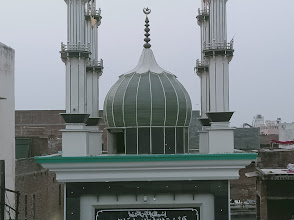
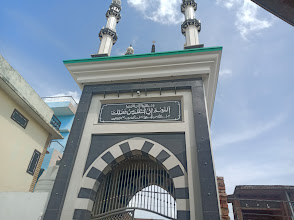
Sheesham Wali Masjid is a local mosque located in the village of Manhari, within Farrukhabad district, Uttar Pradesh. It serves as a place of worship for the community's Muslim residents and is one of several neighborhood mosques in the area, reflecting the everyday religious life in rural Uttar Pradesh.
Sheesham Wali Masjid, situated in Manhari village near Farrukhabad city, is a modest local mosque that caters primarily to the spiritual needs of the surrounding community. Unlike the grand historical mosques found in larger cities or prominent districts of Uttar Pradesh (such as the Mughal-era structures in Lucknow or older sites like Kot Ki Masjid in nearby Shamsabad), this appears to be a contemporary or relatively modern neighborhood place of worship, with no widely documented historical significance or ancient origins in available records. The name "Sheesham Wali Masjid" likely derives from local nomenclature, possibly referencing sheesham (Indian rosewood) trees in the vicinity or a historical feature, though specific details on its naming or architecture are not prominently featured in historical accounts of the region. Farrukhabad district itself has a rich past, founded in the early 18th century by Nawab Muhammad Khan Bangash, with influences from Mughal and later colonial eras, but local mosques like this one in Manhari represent the grassroots Islamic heritage amid the area's mixed cultural landscape. As a local mosque, it plays a vital role in daily prayers, community gatherings, and religious observances for residents of Manhari and nearby areas. The village is part of the broader Farrukhabad administrative region, known for its agricultural base and proximity to the Ganges River plain.
Year of Built: Not Available
Address: Manhari, Farrukhabad, Uttar Pradesh 209625
Country: India
State: Uttar Pradesh
District: Farrukhabad
Pincode: 209625
Longitude: 79.59°E
Latitude: 27.39°N