
Indo Islamic Heritage


.jpg)
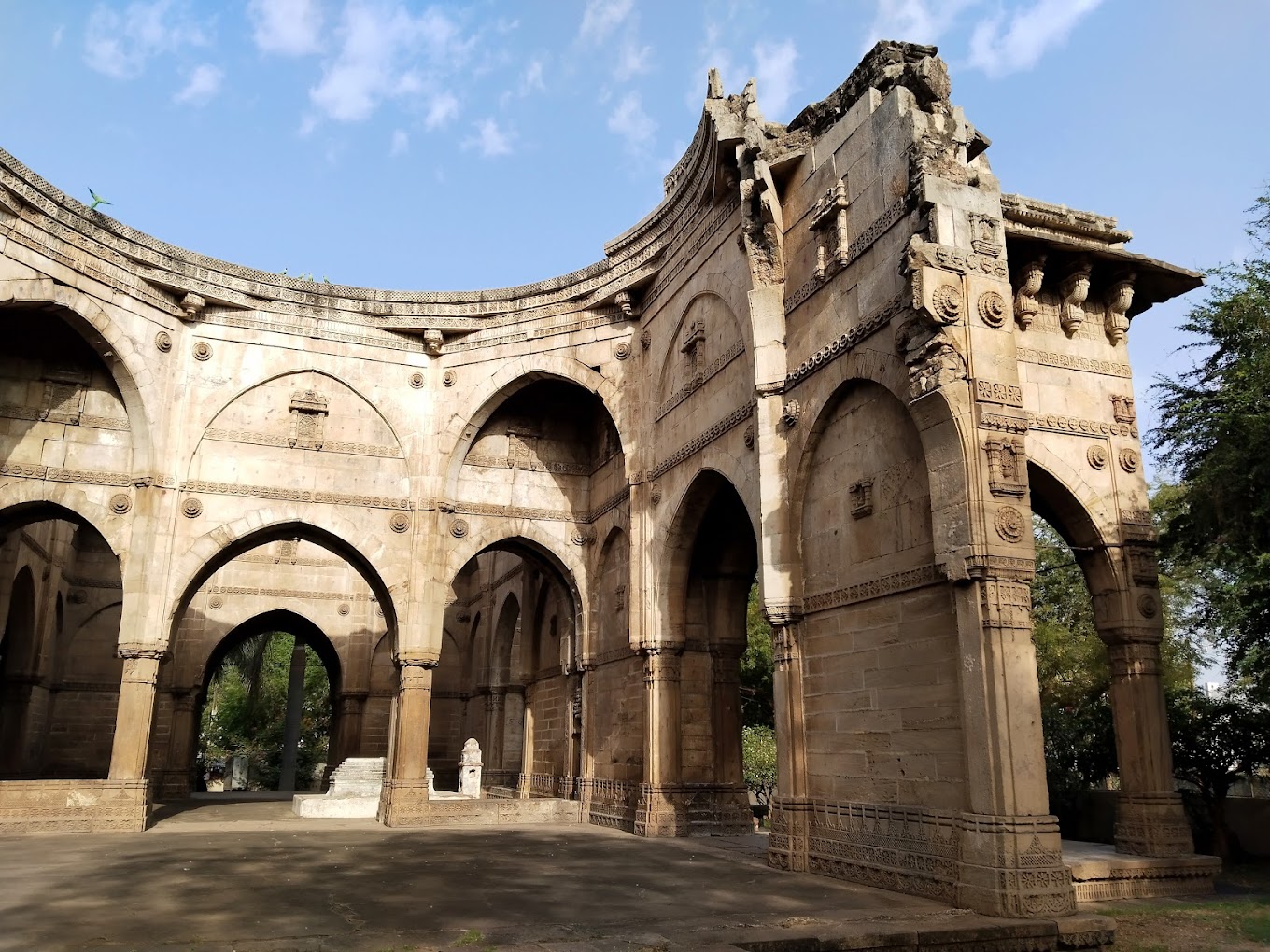
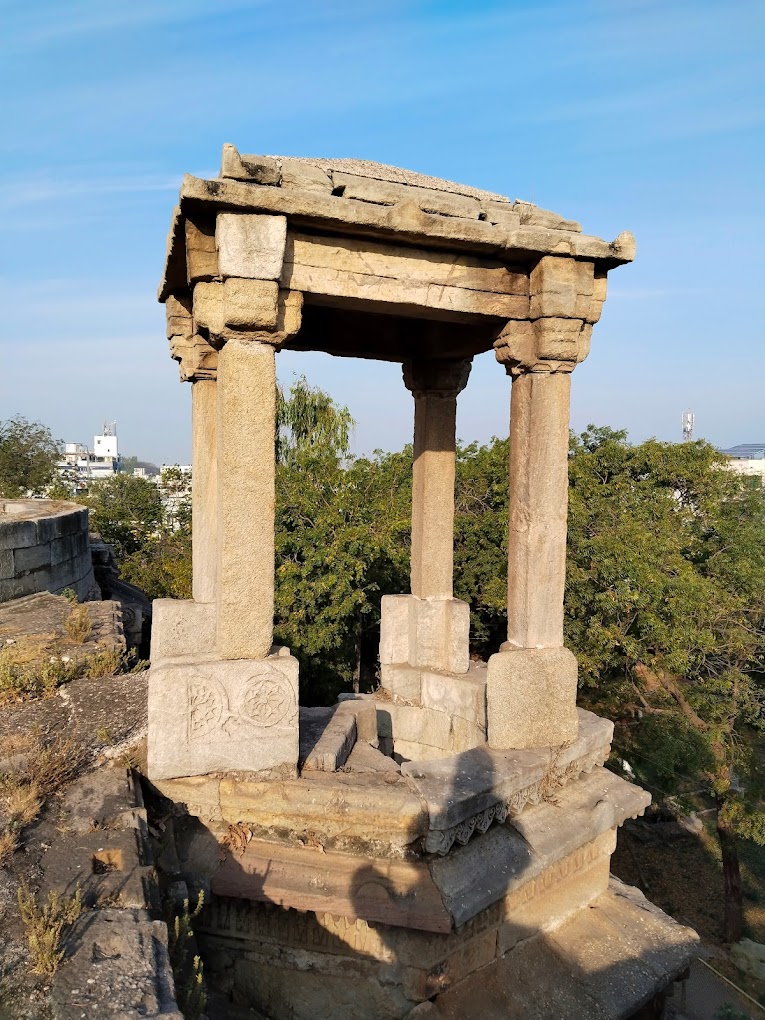
The Tomb of Sikandar Shah, also referred to as the Sikandar Shah Maqbara, is a historical mausoleum located in Halol, Gujarat, India. Constructed around 1527 CE by Gujarat Sultan Bahadur Shah, the mausoleum serves as a tribute to his brothers and predecessors, including Sikandar Shah, who was one of the rulers of the Gujarat Sultanate.
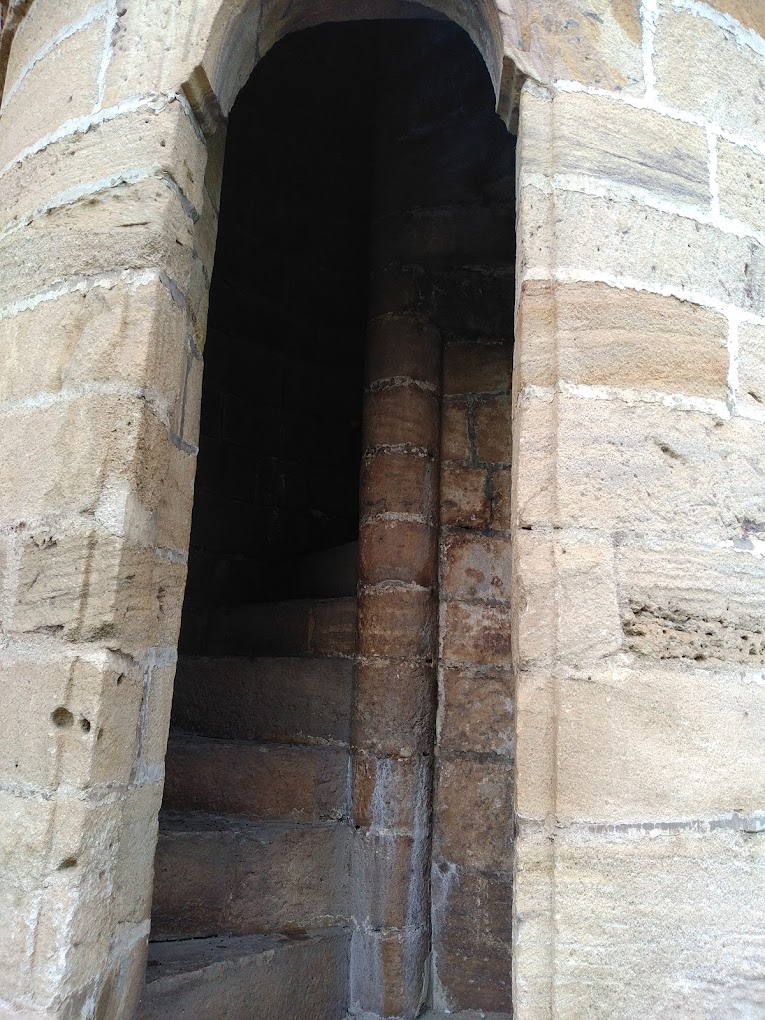
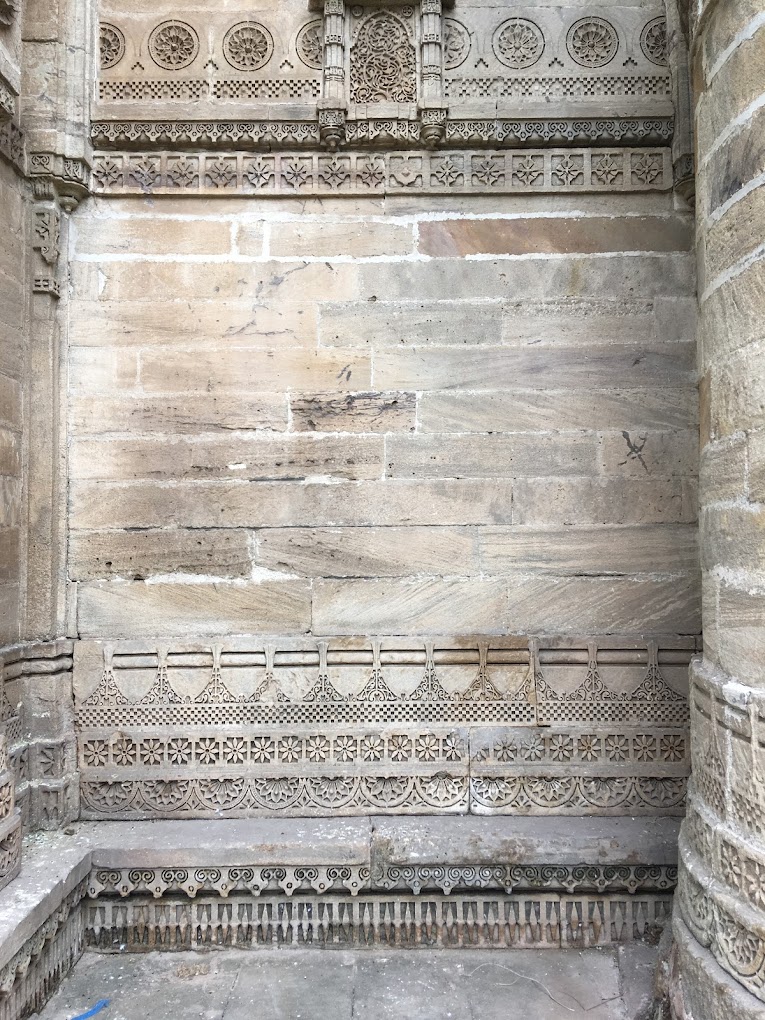
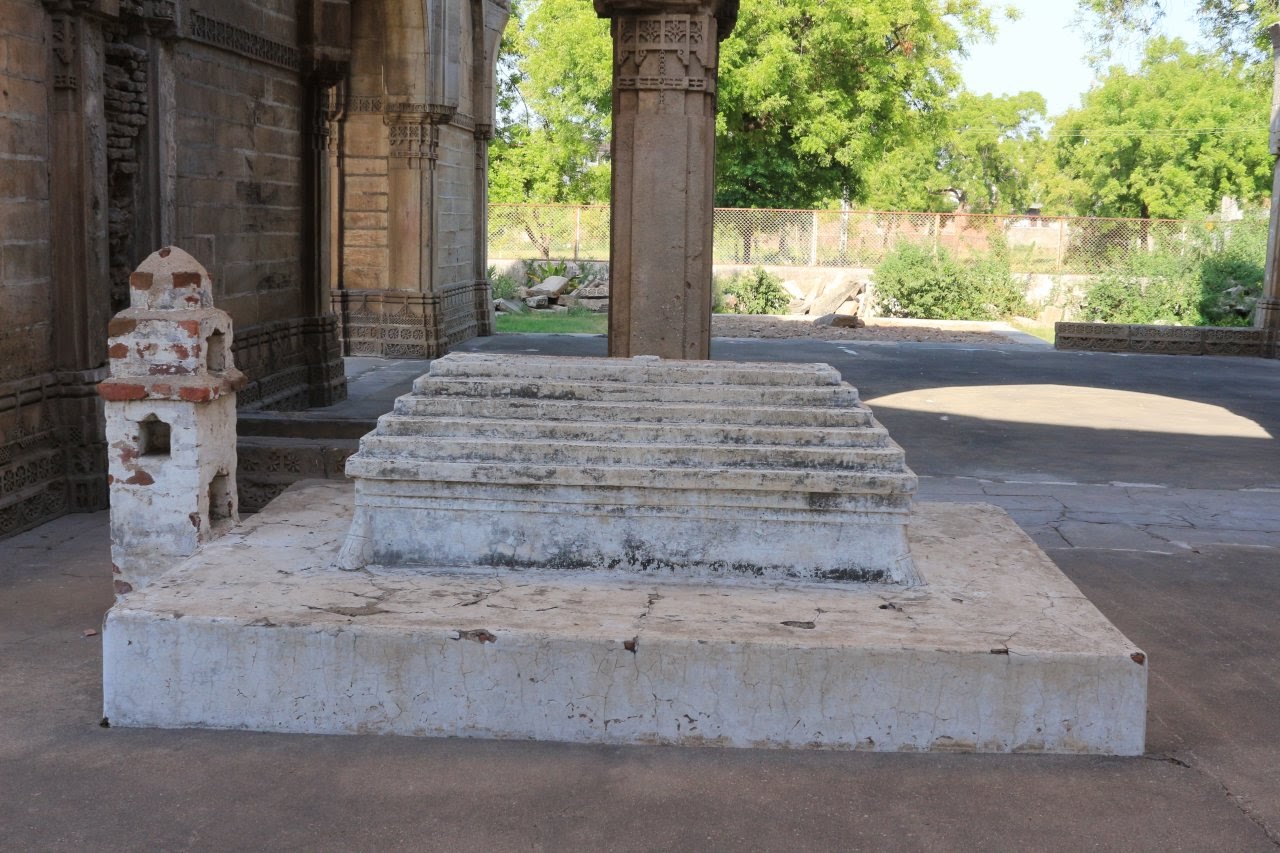
The Tomb of Sikandar Shah, also known as the Sikandar Shah Maqbara, stands as a poignant reminder of the turbulent history of the Gujarat Sultanate in the early 16th century. Sikandar Shah, who briefly reigned as Sultan of Gujarat, met a tragic end when he was murdered on May 30, 1526, on the orders of his own slave, Im?d-ul-Mulk Khush Kadam, after a reign lasting only a few weeks. Following this betrayal, Im?d-ul-Mulk installed Sikandar Shah's six-year-old younger brother, Nasir Khan, on the throne under the regnal title Mahmud Shah II, ruling as a puppet while wielding power himself. However, the nobles of the court soon turned against Im?d-ul-Mulk and aligned themselves with Prince Bahadur Khan, another member of the royal family. Bahadur Khan eventually marched on Champaner, overthrew Im?d-ul-Mulk, and executed him. After securing his position by defeating his rebellious brother, Latif Khan, who later succumbed to his wounds, Bahadur Khan further consolidated his power by poisoning Nasir Khan and his other brothers. In 1527, Bahadur Khan ascended the throne with the title Bahadur Shah and later raised the mausoleum in Halol to honor his deceased brothers, including Sikandar Shah, Nasir Khan, and Latif Khan. Historical accounts suggest that the mausoleum was once a site of grandeur. When James Forbes, a British traveler and writer, visited the structure in 1785, he documented the presence of intricately carved marble tombs, which have since been lost. The mausoleum itself is a single-storied sandstone structure, built in the Ahmedabad architectural style, featuring two central domes and five smaller ones. These domes once crowned the elevated plinth upon which the mausoleum is raised. The structure is notable for its two chambers, with interiors adorned with exquisite floral patterns and geometric designs, particularly visible on its porches and pillars. While the central domes have collapsed, the smaller fluted cupolas above the porches remain intact, showcasing the enduring craftsmanship of the period. One chamber within the mausoleum houses a single grave with a low pillar nearby, believed to signify the burial of a martyr. The second chamber, although now devoid of graves, once contained the tombs of Nasir Khan and Latif Khan, both of whom died in 1526. According to the historian Ferishta, Bahadur Shah ensured that a suitable religious establishment was endowed at the time of the mausoleum's construction, with arrangements for daily prayers to be offered for the souls of the deceased princes. The tomb's enduring architectural elements and the tragic stories surrounding its construction make it a significant site, reflecting both the artistic legacy and the political upheaval of the Gujarat Sultanate.
Year of Built: 15th Century
Address: Varia Colony, Halol, Gujarat
Country: India
State: Gujarat
District: Panchmahal
Pincode: 389360
Longitude: 73.4738
Latitude: 22.5056