
Indo Islamic Heritage


.jpg)
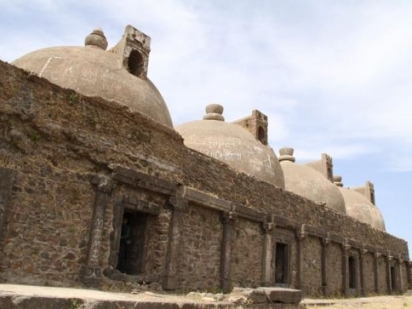
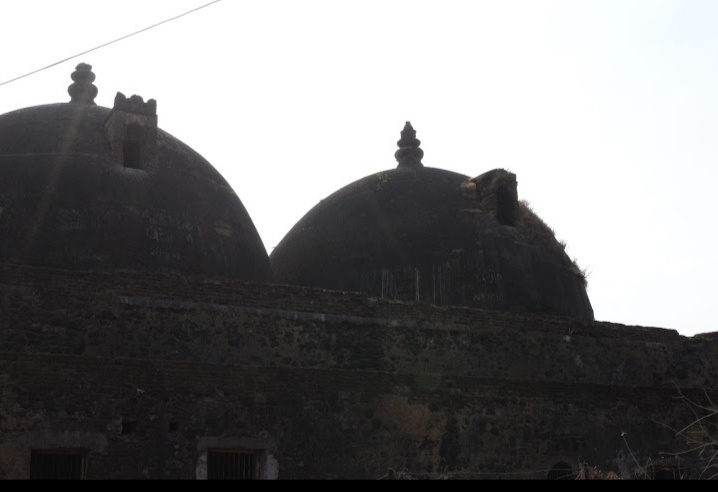
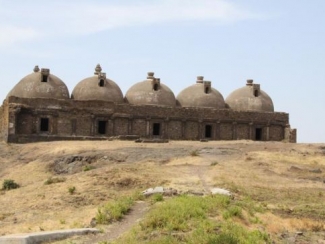
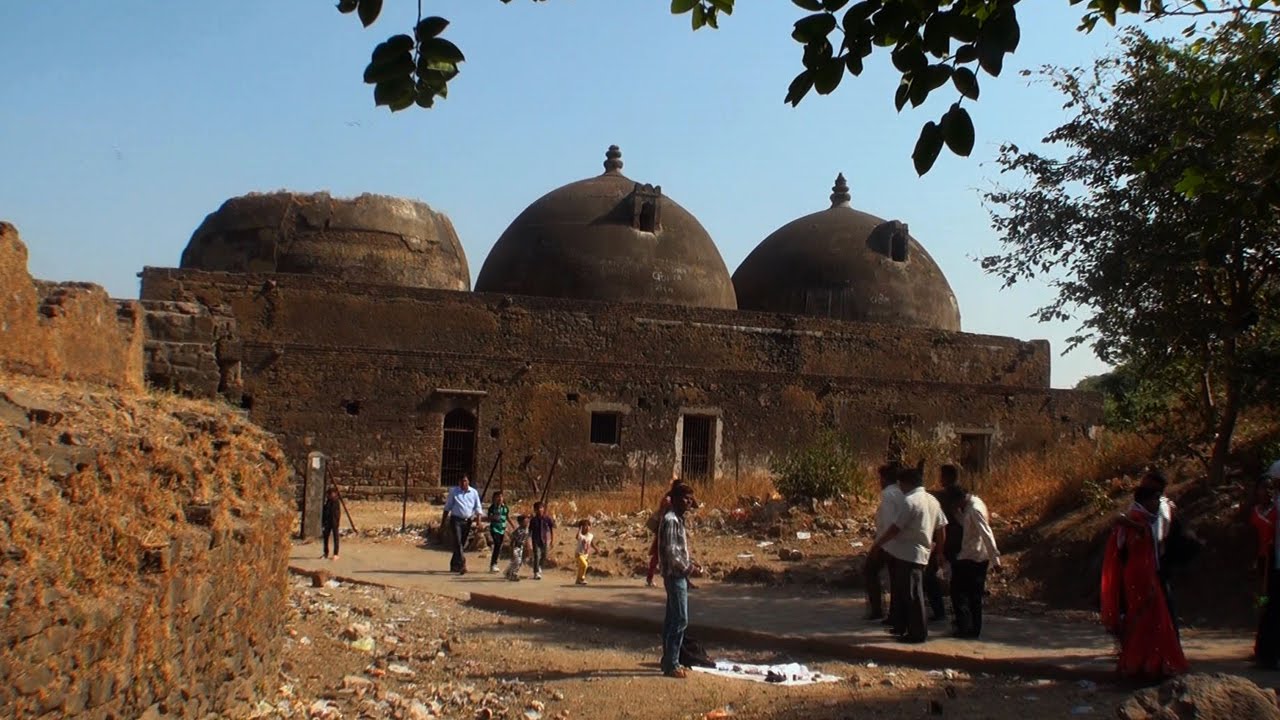
Makai Kothar and Navlakha Kothar are historically significant granaries located in Champaner, Gujarat, a UNESCO World Heritage Site. Meaning: "Makai" translates to maize or corn, indicating its use as a granary for storing agricultural produce like maize. Purpose: It was built to store food grains, particularly during periods of surplus, and to ensure supplies during droughts or conflicts.
Makai Kothar, a remarkable three-domed structure, was built as a storehouse or granary for maize. The name itself is derived from the Gujarati words ?Makai,? meaning maize, and ?Kothar,? meaning storehouse. This architectural marvel is part of the Champaner-Pavagadh Archaeological Park, located in Gujarat, a UNESCO World Heritage Site known for its diverse range of historical structures. These include mosques, temples, granaries, tombs, and wells, each reflecting the region's rich cultural and architectural heritage. The Makai Kothar is situated at the base and around the Pavagadh Hill, a site of significant historical and religious importance. Constructed in the 15th century during the reign of Sultan Mahmud Begada, this granary was specifically designed to store grains for soldiers stationed in the region. Its robust design and strategic location highlight its role in supporting the military logistics of the time. The Champaner-Pavagadh Archaeological Park continues to be celebrated for its synthesis of Islamic and Hindu architectural styles, with the Makai Kothar standing as a testament to the ingenuity and foresight of the period?s architects and planners.
Year of Built: 15th Century
Address: Lila Gumbaj ni Kothi, Bhadrakali Temple Trail, Gujarat
Country: India
State: Gujarat
District: Panchmahal
Pincode: 389360
Longitude: 73.5224
Latitude: 22.4652