
Indo Islamic Heritage


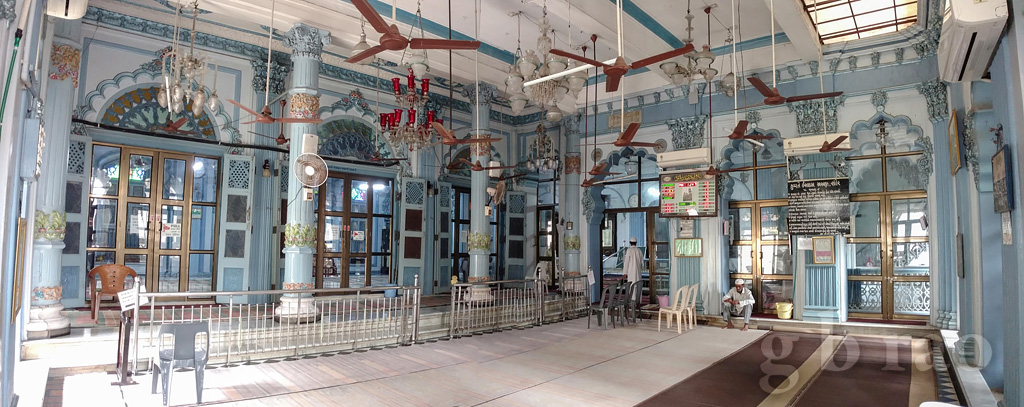
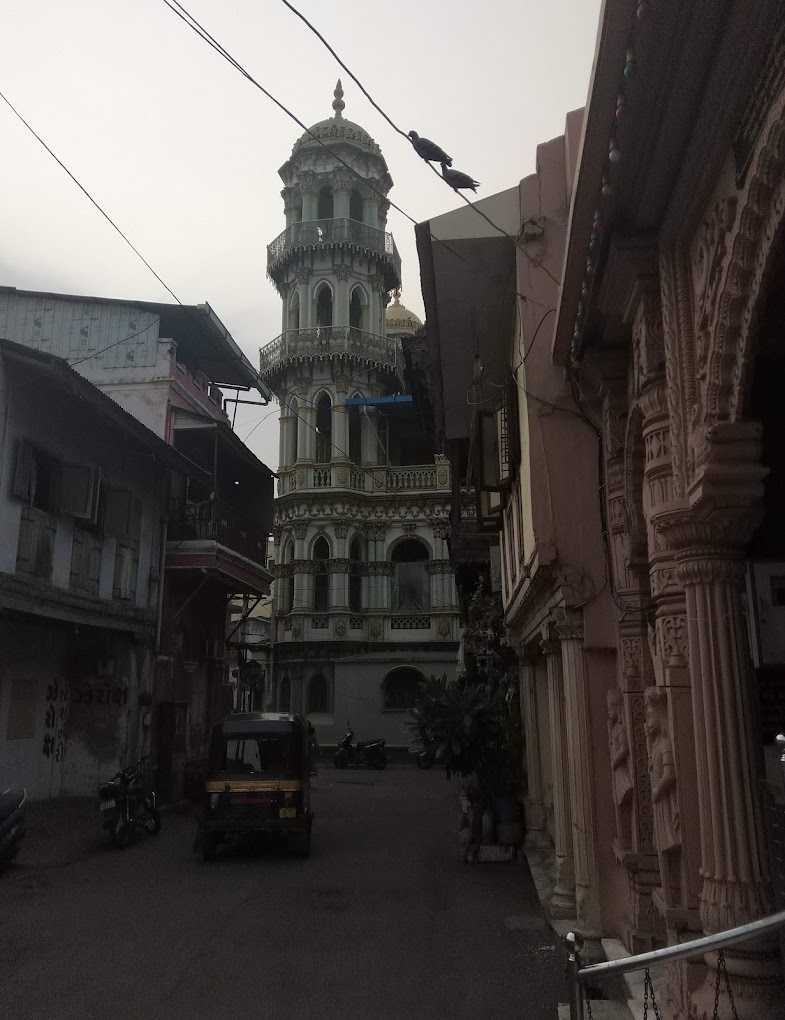
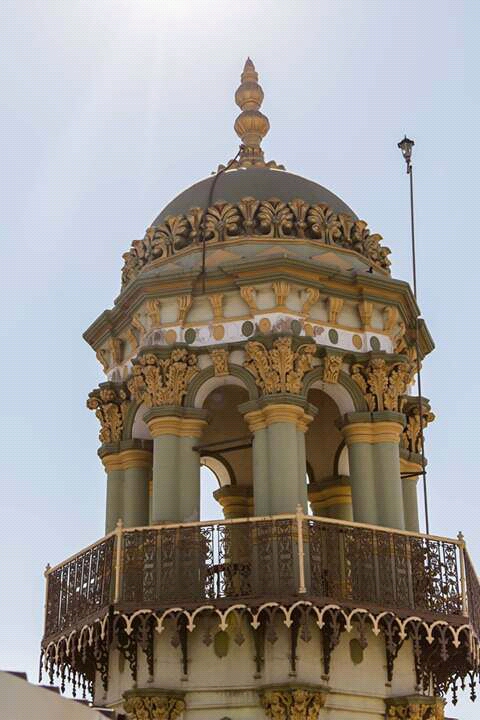
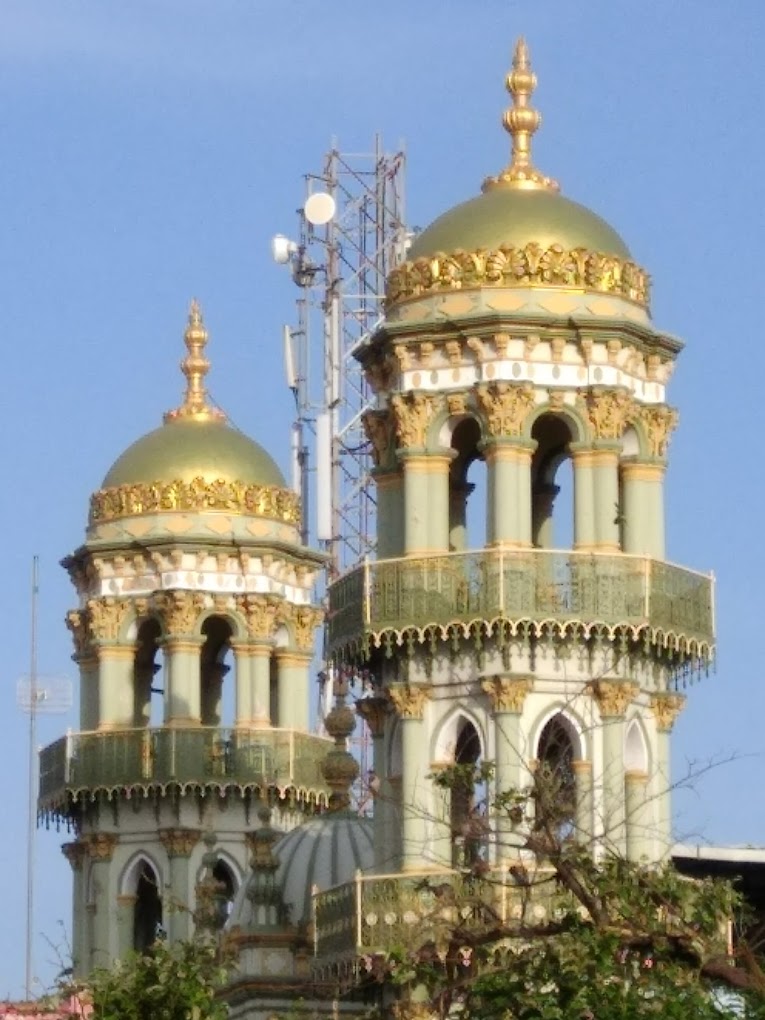
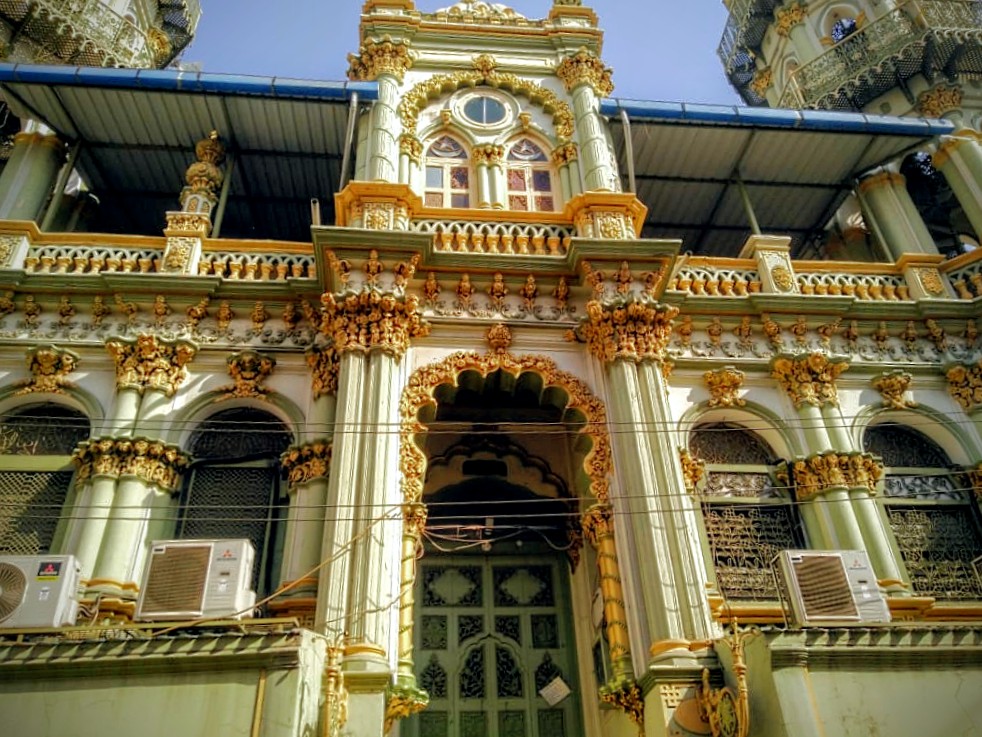
The Ek Khamba Mosque (also known as Masjid-e-Quwwat-e-Islam or Hari Masjid) in Rander, Surat, Gujarat, is an architectural and historical marvel, known for its unique structure standing entirely on a single pillar. This mosque, a testament to the ingenuity and engineering skills of its time, serves as an important cultural and spiritual landmark in the region.
Around 1225 AD, the arrival of Arabs from Kufa marked a pivotal moment in Rander's history, as their influence led to the convergence of new and existing cultures. This blending of diverse traditions, languages, and architectural styles has continued to shape the town?s identity over the centuries. The architectural legacy of Rander, as seen in various structures, reflects this cultural amalgamation, with distinct styles such as Vernacular, Colonial, and Arabesque prominently featured. One notable example of this cultural fusion is the Ek Khamba mosque, built in the 1800s. The mosque stands as a testament to the confluence of multiple architectural traditions introduced by the Arabs, Mughals, Portuguese, and Dutch, each of whom brought their own distinct styles and building techniques. The Ek Khamba mosque, with its unique design, incorporates elements from these diverse influences, creating an architectural masterpiece that is both a reflection of the past and a symbol of Rander?s rich, multicultural heritage. The mosque?s design features intricately carved arches, decorative patterns, and spacious interiors that blend local traditions with foreign architectural influences, making it a significant monument in the history of Surat's urban development and a lasting symbol of the town?s role as a crossroads of cultures.
Year of Built: 18th Century
Address: Rander, Surat, Gujarat
Country: India
State: Gujarat
District: Surat
Pincode: 395005
Longitude: 72.7947
Latitude: 21.2226