
Indo Islamic Heritage


1.jpeg)
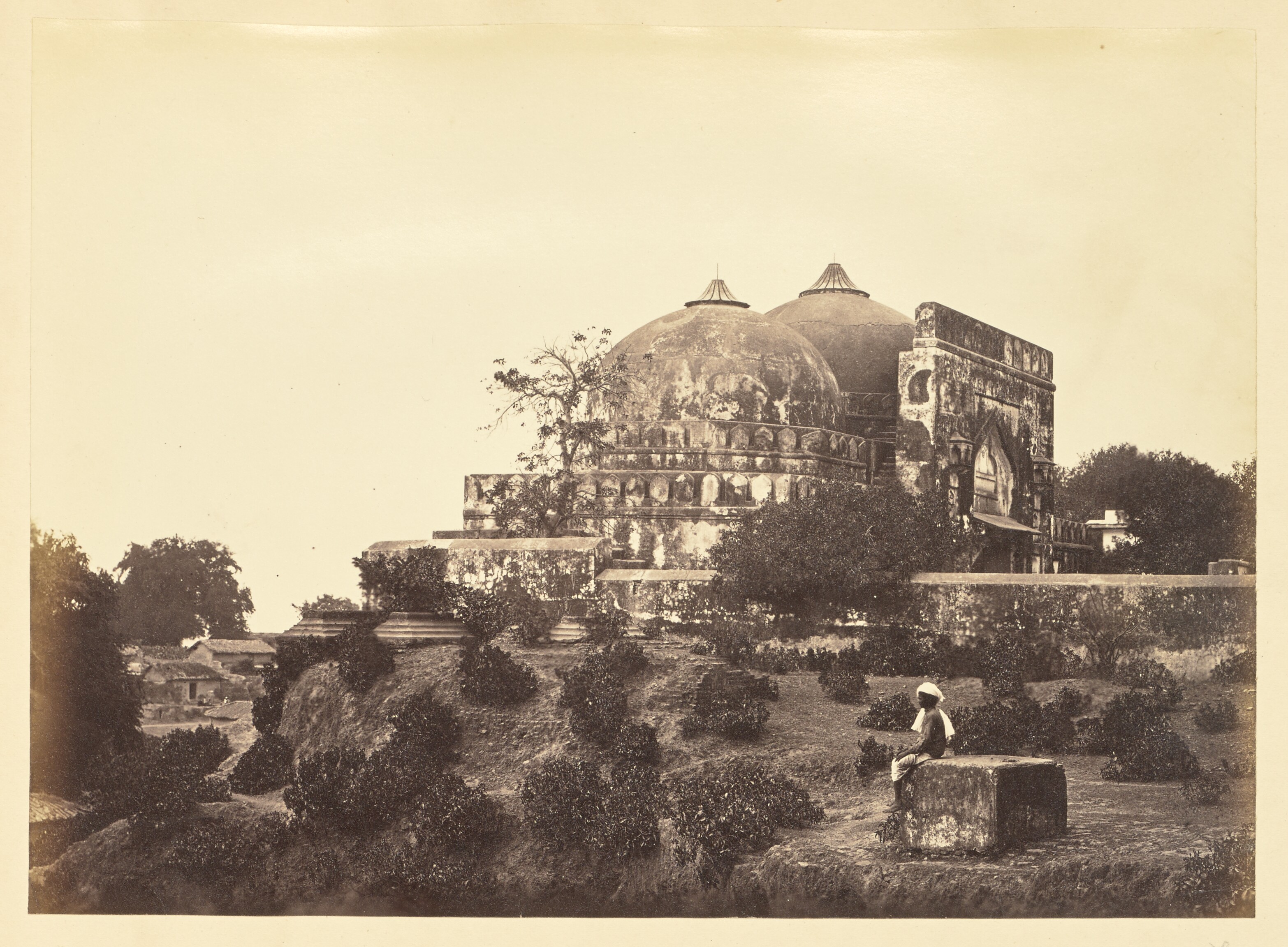
Babri Masjid: A Historic Monument and Its Controversial Legacy The Babri Masjid, originally located in Ayodhya, Uttar Pradesh. The Babri Masjid stands as a poignant reminder of India?s rich yet complex history. Bus Stand: Ayodhya Bus Stand (~2 km) Railway Station: Ayodhya Junction (~2.5 km) Airport: Ayodhya Airport (under development, ~8 km); Lucknow Airport (~140 km)
The Babri Masjid, originally located in Ayodhya, Uttar Pradesh, was a 16th-century mosque built in 1528-29 CE (935 AH) by Mir Baqi, a general of the Mughal Emperor Babur. While the structure no longer exists, its historical and cultural significance endures, marking one of India?s most contentious episodes. Architectural Features The Babri Masjid, perched atop a hill, was an example of Mughal-era architectural finesse. It had three domes, with the central one being the largest. The mosque's fa?ade featured intricate arches and calligraphic inscriptions. The simplistic yet imposing design was a blend of Islamic and local architectural styles, emphasizing symmetry and grandeur. The interior was designed to create a serene atmosphere, with a spacious prayer hall and a mihrab indicating the qibla. The mosque was flanked by open courtyards, ideal for congregational prayers. Its elevated location provided a commanding view of the surrounding region, enhancing its spiritual and visual prominence. Historical Significance The Babri Masjid held a profound historical and socio-political legacy. Constructed under Babur's orders, it stood as a symbol of Mughal rule and their architectural prowess. However, the site gained greater prominence due to the long-standing dispute between Hindus and Muslims over its location, believed by Hindus to be the birthplace of Lord Rama. The Babri Masjid stands as a poignant reminder of India?s rich yet complex history. While its architectural beauty has been lost to time, the debates surrounding its significance continue to shape the nation?s socio-political discourse. Whether viewed as a spiritual symbol or a site of historical contention, the Babri Masjid's legacy remains deeply embedded in the collective memory of India.
Year of Built: 16th-century
Address: 24/2/10, Chowk Ayodhya Rd Sai Nagar, Chowk Ayodhya Rd, Sai Nagar, Ayodhya, Uttar Pradesh 224123
Country: India
State: Uttar Pradesh
District: Faizabad
Pincode: 224123
Longitude: 82.2043? E
Latitude: 26.7996? N