
Indo Islamic Heritage


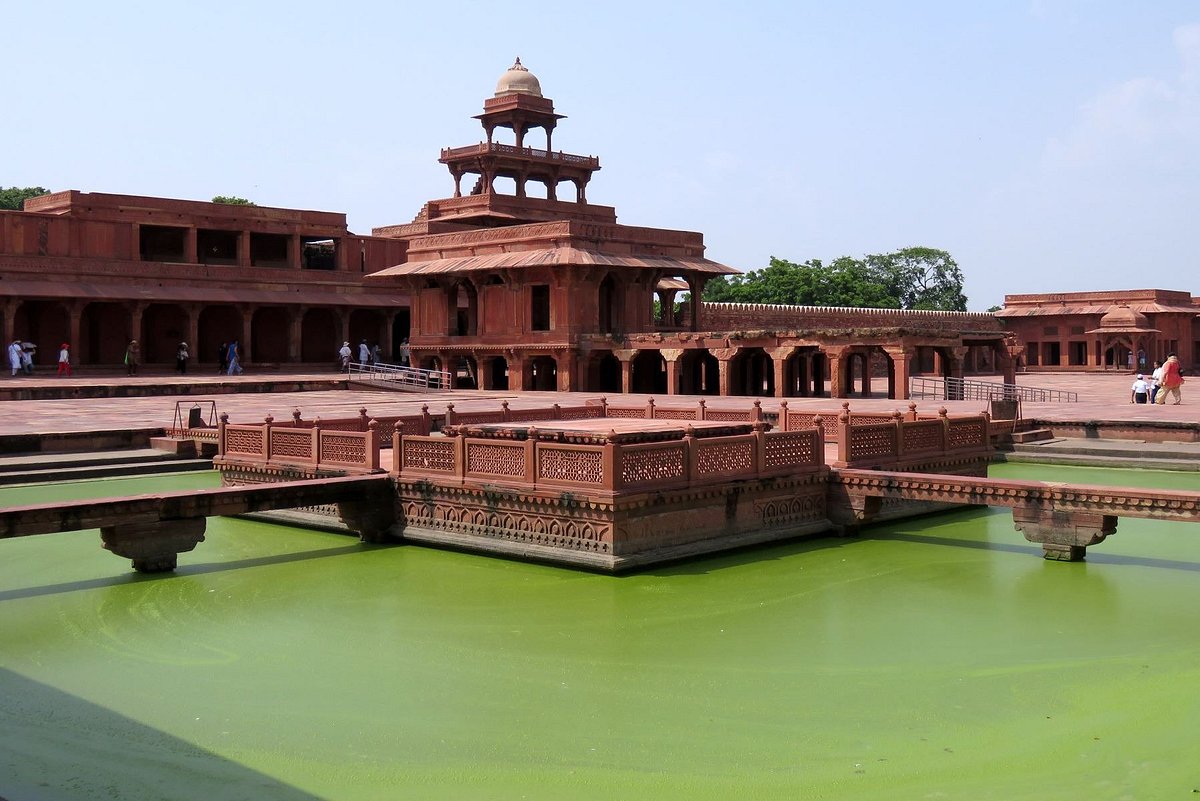
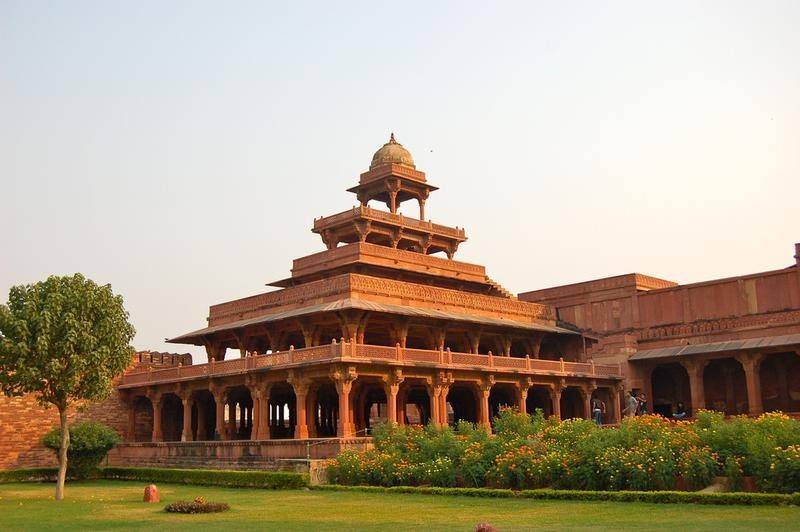
Panch Mahal, Fatehpur Sikri: A Majestic Tribute to Mughal Elegance and Innovation Located within the historical city of Fatehpur Sikri, Panch Mahal stands as a striking architectural wonder, showcasing the grandeur and sophistication of the Mughal Empire. Nearest Bus Stop: Fatehpur Sikri Bus Stand (Approx. 1 km away) Nearest Railway Station: Fatehpur Sikri Railway Station (Approx. 3 km away) Nearest Metro Station: The nearest metro station is in Agra, about 37 km away. Nearest Airport: Agra Airport (Kheria) ? Approx. 40 km away. Indira Gandhi International Airport in Delhi is about 220 km away, providing convenient access for international travelers.
Nested within the historical city of Fatehpur Sikri, Panch Mahal stands as a striking architectural wonder, showcasing the grandeur and sophistication of the Mughal Empire. This five-story palace, built during the reign of Emperor Akbar in the 16th century, reflects the visionary nature of one of India?s greatest rulers. Known for its unique structure and remarkable beauty, Panch Mahal offers visitors an opportunity to experience a blend of aesthetic grandeur and historical significance in the heart of Fatehpur Sikri. Historical Significance Panch Mahal was commissioned by Emperor Akbar in 1575 and is believed to have been used as a pleasure palace or entertainment hall. The name "Panch Mahal" translates to "Five Stories," which refers to the building's distinctive five-tiered design. It was likely used as a place for the royal family to relax and unwind, with views of the surrounding landscape and city. The Panch Mahal was also a symbol of Akbar?s architectural innovation, showcasing his penchant for blending function with beauty. Akbar's reign was marked by his dedication to creating structures that were not only grand but also demonstrated his advanced understanding of climatic conditions. The open, airy design of Panch Mahal is believed to have served as a cooling space, allowing a gentle breeze to circulate through the palace's many open columns. Architectural Features The Panch Mahal is a remarkable example of Mughal architecture and is known for its unique five-story structure, with each level progressively becoming smaller as one ascends. Here are some of its standout features: Five-Tiered Design: The Panch Mahal consists of five levels, with each level supported by a series of pillars. The ground floor has 84 pillars, while the upper floors are progressively smaller in size. The roof of the building is open, allowing the space to be well-ventilated and cool, making it an ideal space to escape the summer heat. Open Courtyards: Unlike traditional Mughal palaces, which are enclosed, the Panch Mahal features open spaces with open-air galleries on every floor. The airy design emphasizes the Mughal fascination with natural ventilation, and it offers spectacular views of the surrounding landscape, making it a perfect retreat for relaxation and leisure. Geometric and Floral Designs: The columns and walls of the Panch Mahal are intricately carved with geometric patterns and floral motifs that are characteristic of Mughal art. The intricate carvings on the pillars showcase the craftsmanship and attention to detail that was typical during the Mughal period. Symbolic Architecture: The structure is said to symbolize the four elements of life?earth, water, fire, and air?as well as the divine connection between the earth and the heavens. Each level of the building is believed to represent the spiritual journey, with the topmost floor symbolizing the realm of the gods. Raised Platform: The first floor of Panch Mahal features a raised platform, which is believed to have been used for royal gatherings and meetings. It?s likely that the emperor held court here, entertaining guests and conducting discussions in a picturesque setting. The Panch Mahal at Fatehpur Sikri is not just an architectural masterpiece, but also a testament to the ingenuity of the Mughal rulers. With its distinctive five-story design, intricate carvings, and stunning open courtyards, this historical monument offers a peaceful and beautiful environment that captures the essence of Mughal architecture. Whether you're an architecture enthusiast, a history lover, or simply someone who enjoys a tranquil escape, the Panch Mahal is an unforgettable destination that reflects the grandeur and elegance of the Mughal Empire. A visit to this site offers a glimpse into the splendor of a bygone era and the vision of one of India's most visionary rulers, Emperor Akbar.
Year of Built: 1575 AD
Address: 3MW8+V7G, Dadupura, Fatehpur Sikri, Uttar Pradesh 283110
Country: India
State: Uttar Pradesh
District: Agra
Pincode: 283110
Longitude: 77.6609? E
Latitude: 27.0971? N