
Indo Islamic Heritage


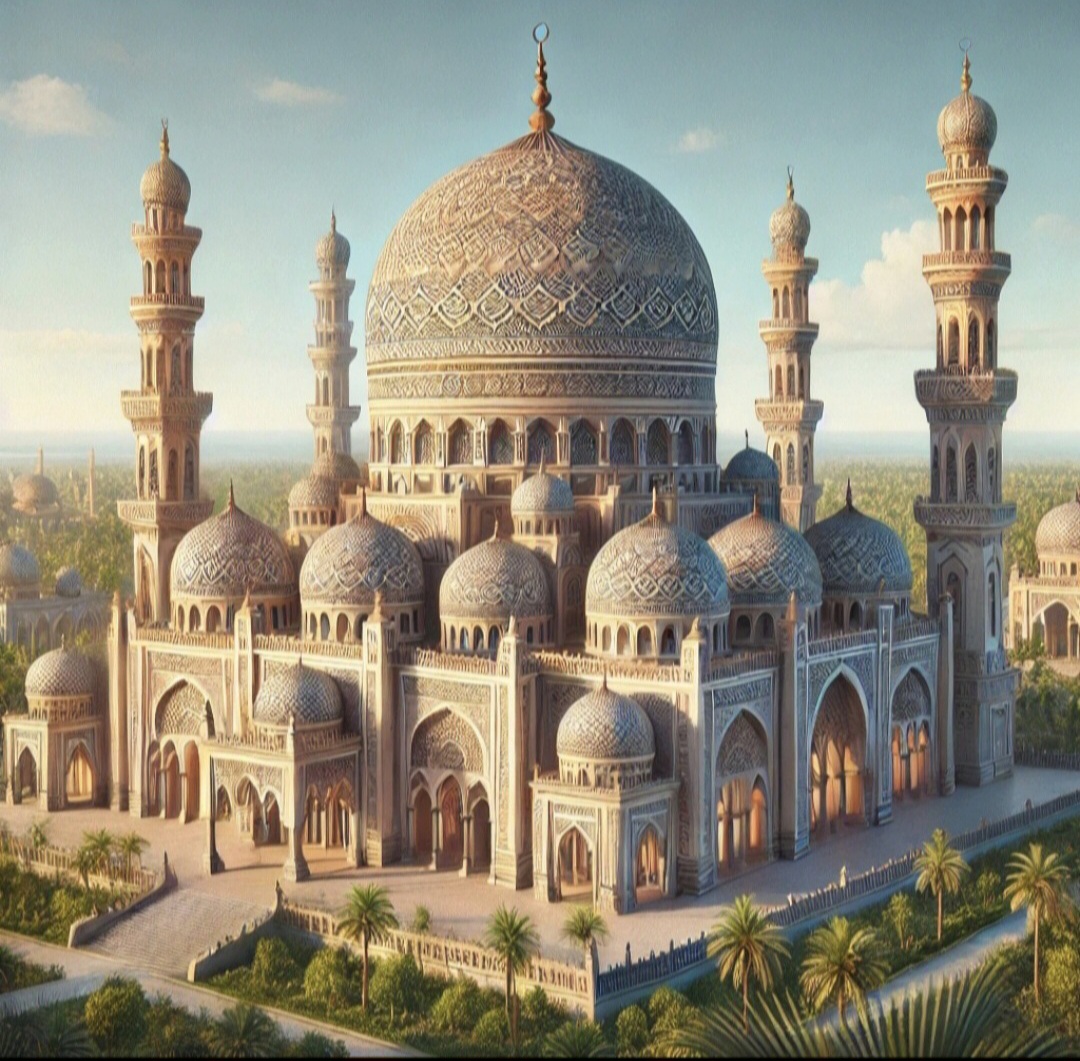
Gadhi Abdul Majeed Badey Wali Masjid, also known as a local mosque in Bhikampura, Farrukhabad, Uttar Pradesh, is a modest Islamic place of worship reflecting the region's rich Muslim heritage. Situated in a residential area, it serves the community for daily prayers and gatherings. The mosque's name suggests an association with a "gadhi" (fort or mansion) linked to Abdul Majeed, indicating possible historical ties to local architecture or figures.
Farrukhabad district in Uttar Pradesh is steeped in Islamic history, having been influenced by Mughal and Nawabi eras since the early 18th century when Muhammad Khan Bangash founded the region as a key administrative center. Amidst this backdrop, Gadhi Abdul Majeed Badey Wali Masjid stands as a local yet significant example of Islamic architecture and community spirituality in Bhikampura, a quiet locality within Farrukhabad. The mosque, often referred to simply as a "local mosque" by residents, embodies the everyday devotion of the area's Muslim population, blending seamlessly into the fabric of rural Indian life. The name "Gadhi Abdul Majeed Badey Wali Masjid" translates roughly to "The Big Mosque of Abdul Majeed's Fort," hinting at its possible origins tied to a local fort or estate owned by a figure named Abdul Majeed. While extensive historical records on this specific site are sparse—likely due to its status as a neighborhood mosque rather than a grand imperial structure—it aligns with the proliferation of mosques during the Nawabi period in Farrukhabad. The district saw the construction of numerous Islamic sites under Pathan rulers and later British influence, with mosques serving as centers for prayer, education, and social cohesion. Similar nearby mosques, such as Masjid Rani Sahib in Bhikampura or the historic Jama Masjid in Fatehgarh, underscore the area's Islamic legacy, dating back to the 17th-18th centuries when Muslim settlements flourished along the Ganges. Architecturally, based on limited descriptions from local listings, the mosque features simple design elements typical of regional Islamic buildings: likely unbaked brick construction, modest minarets, and an open courtyard for ablutions and congregational prayers. It provides a space for relaxation and reflection, sometimes miscategorized online as a park-like venue due to its serene surroundings, but it primarily functions as a place of worship. Community reviews highlight its role in fostering peace and unity, with ratings averaging around 4.0 for its accessibility and ambiance. Despite the lack of precise documentation on its construction year—searches across historical texts and online resources yield no confirmed date—it is plausible that the mosque was built during the late Mughal or early British colonial period (circa 1700-1800s), coinciding with Farrukhabad's growth as a textile and agricultural hub attracting Muslim artisans and traders. The absence of detailed records may stem from its local scale, unlike more prominent sites like the Shahi Jama Masjid in nearby Shamsabad. Nonetheless, it contributes to India's diverse tapestry of historical Islamic sites, from grand shrines to humble community mosques, symbolizing resilience and faith. For visitors, the mosque is easily reachable in Bhikampura, a suburb of Farrukhabad city, which lies approximately 200 km from Lucknow and is accessible via national highways.
Year of Built: Not Available
Address: 9HWM+QC9, Bhikampura, Farrukhabad, Uttar Pradesh 209625
Country: India
State: Uttar Pradesh
District: Farrukhabad
Pincode: 209625
Longitude: 79.570367°E
Latitude: 27.394119°N