
Indo Islamic Heritage


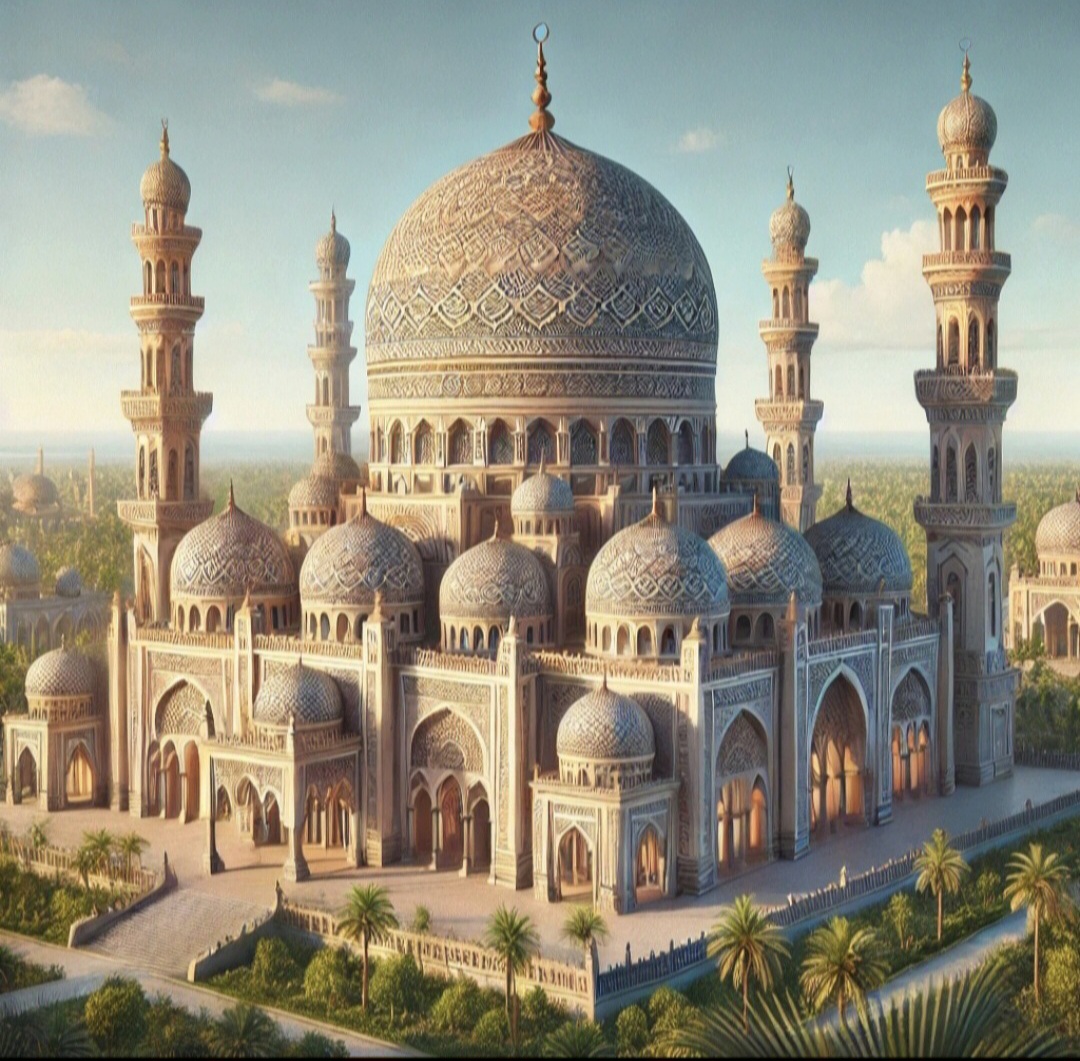
Ghardi Masjid is a local mosque situated in Bazaria Nihal Chanda, Farrukhabad, Uttar Pradesh, India. It serves as a place of worship for the local Muslim community in this historic region known for its blend of Mughal and Nawabi influences. Limited detailed historical records are available online, suggesting it is primarily a community-focused site rather than a widely documented monument.
Farrukhabad, located in the heart of Uttar Pradesh along the Ganges River, boasts a rich tapestry of Islamic heritage shaped by centuries of Muslim rule, from the invasions of Mahmud of Ghazni in the 11th century to the establishment of the district by Nawab Mohammad Khan Bangash in 1714. This era saw the flourishing of Islamic architecture, with mosques, shrines, and tombs becoming integral to the cultural landscape. Ghardi Masjid, nestled in the bustling Bazaria Nihal Chanda area, exemplifies the local expressions of this heritage. As a neighborhood mosque, it likely emerged as part of the community's religious infrastructure during the Nawabi period, when Farrukhabad evolved into a center of trade, culture, and Islamic scholarship. The mosque's name, "Ghardi," may derive from local dialect or features (possibly relating to "ghadi" meaning clock, hinting at a nearby landmark or structural element), though exact etymology remains unclear due to sparse documentation. Unlike grander structures like the nearby Jama Masjid in Farrukhabad (located on Nehru Road) or the historic mosques in neighboring Kannauj (such as the Makhdum Jahania Mosque and Tomb, conserved by archaeological efforts), Ghardi Masjid appears to be a modest, functional site primarily serving daily prayers, Friday congregations, and community gatherings. Its architecture, while not extensively described in historical texts, would typically feature elements common to regional Islamic buildings—such as arched entrances, minarets for the call to prayer, and a prayer hall oriented toward Mecca—reflecting the syncretic influences of Mughal design adapted to local materials like brick and sandstone. Historically, Farrukhabad's Islamic sites trace back to the medieval period, with the district sharing ties to Kannauj, an ancient city sacked by Mahmud of Ghazni in 1018-1019 AD, marking the onset of significant Muslim presence in the area. The region's prosperity under the Mughals and later Nawabs fostered the construction of numerous mosques and shrines, contributing to Uttar Pradesh's status as home to some of India's most revered Islamic landmarks. Ghardi Masjid, though local and less prominent, embodies this legacy, standing as a testament to the enduring faith and communal life in Bazaria Nihal Chanda, a vibrant market area known for its traditional bazaars and everyday hustle. Today, in a district with a diverse population, the mosque continues to play a vital role in fostering spiritual and social cohesion. Visitors to Farrukhabad interested in Islamic history might explore it alongside other sites, appreciating how such local structures quietly preserve the narrative of India's pluralistic past. Efforts to document and conserve lesser-known sites like this could reveal more about its origins, potentially linking it to the 18th-century Nawabi foundations that defined the city.
Year of Built: Not Available
Address: 4/64, Palla Bazar Rd, Bazaria Nihal Chand, Farrukhabad, Uttar Pradesh 209625
Country: India
State: Uttar Pradesh
District: Farrukhabad
Pincode: 209625
Longitude: 79.5881° E
Latitude: 27.3870° N