
Indo Islamic Heritage


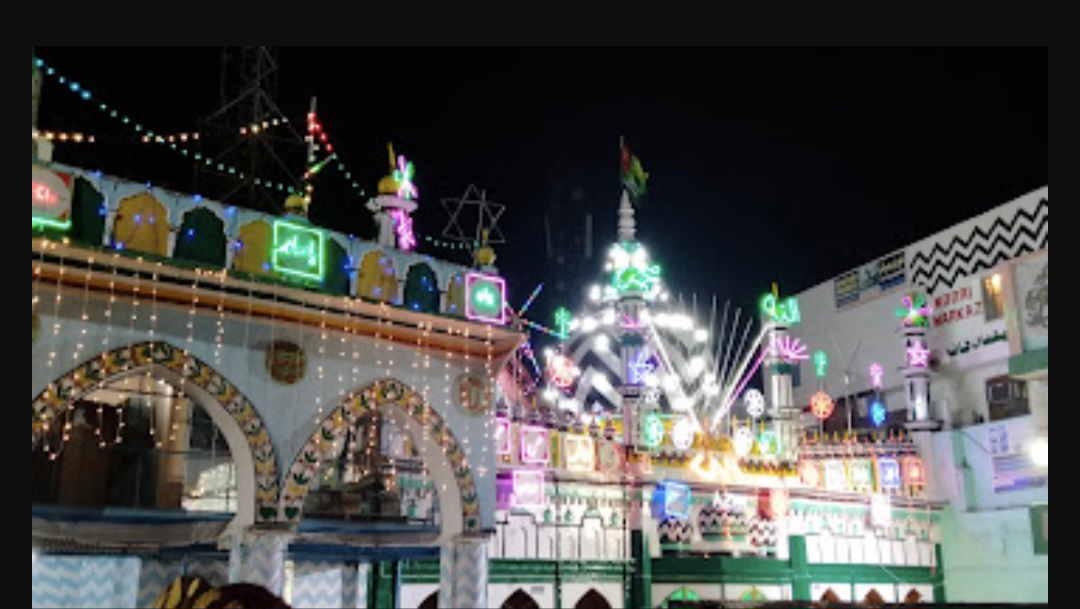
Bada Khaa Masjid is a local mosque situated in the Manhari locality of Farrukhabad, Uttar Pradesh, India. It serves as a place of worship for the community and reflects the region's Islamic heritage, though specific historical details are limited.
Farrukhabad district in Uttar Pradesh, established in 1714 by Nawab Mohammad Khan Bangash and named after Mughal Emperor Farrukhsiyar, boasts a rich Mughal-influenced history with several mosques and architectural remnants from the Nawabi era. The region blends Pathan (Afghan) and Mughal styles, evident in its forts, gateways, and religious sites. Bada Khaa Masjid, situated in the village/local area of Manhari within Farrukhabad, is a community (local) mosque that contributes to the area's Islamic cultural fabric. While not among the most prominent or documented historical monuments like the tomb of Mohammad Khan Bangash or larger Jama Masjids in the district, it stands as an example of everyday religious architecture in a town shaped by 18th-century Mughal patronage and later British influence. The mosque likely dates to the post-founding period of Farrukhabad or later developments, though exact construction details and the year built are not widely recorded in public historical sources—many local mosques in such areas emerged organically to serve growing Muslim populations during or after the Nawabi rule (early to mid-18th century onward). It is a place of regular worship, embodying the simple yet enduring tradition of Islamic architecture in rural and semi-urban Uttar Pradesh settings.
Year of Built: Not Available
Address: 9HQP+X87 khatakpura izzat khan, Nehru Rd, Manhari, Farrukhabad, Uttar Pradesh 209625
Country: India
State: Uttar Pradesh
District: Farrukhabad
Pincode: 209625
Longitude: 27°43'N
Latitude: 26°46'E