
Indo Islamic Heritage


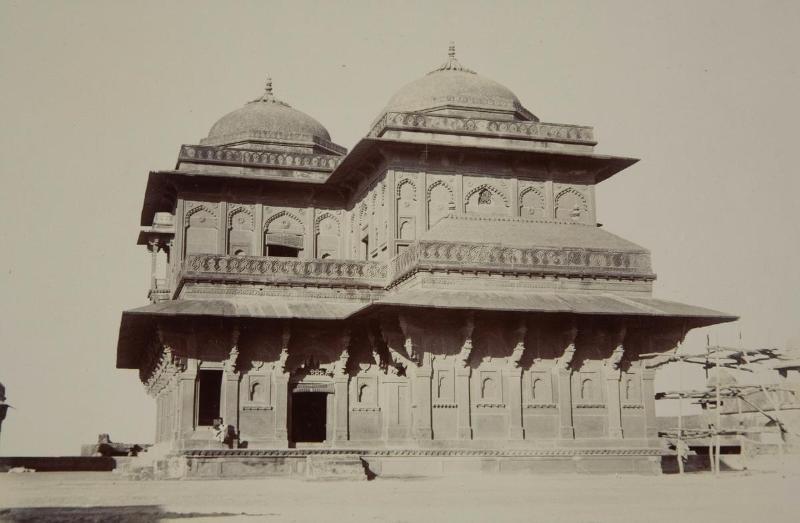
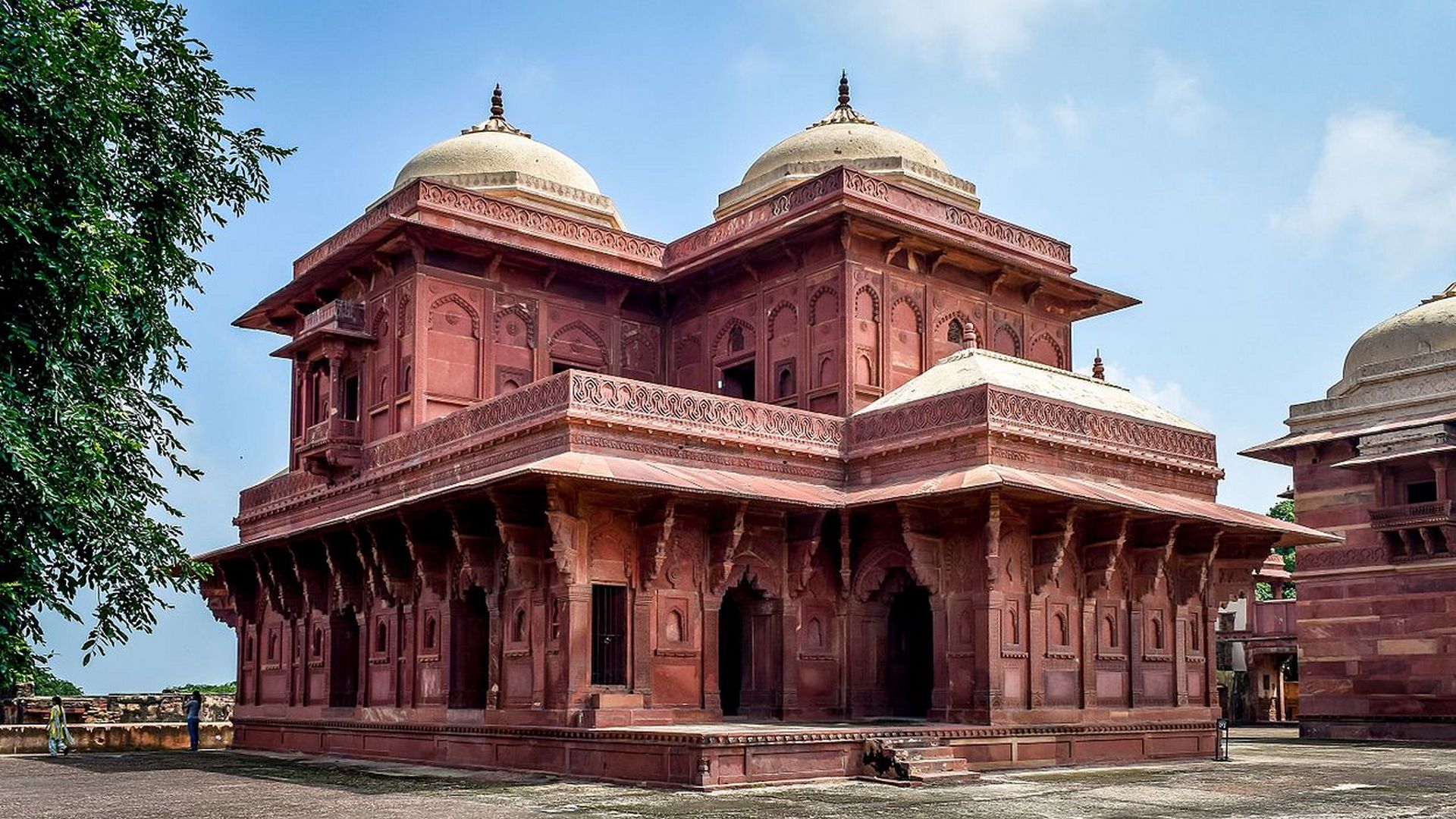
Birbal Palace, Fatehpur Sikri: A Glimpse into the Royal World of Mughal Splendor Situated in the historical city of Fatehpur Sikri, the Birbal Palace is a testament to the grandeur and sophistication of the Mughal Empire under the reign of Emperor Akbar. Nearest Bus Stop: Fatehpur Sikri Bus Stand (Approx. 2 km away) Nearest Railway Station: Fatehpur Sikri Railway Station (Approx. 4 km away) Nearest Metro Station: Taj Mahal Metro Station, Agra (Approx. 37 km away) Nearest Airport: Agra Airport (Kheria) Approx. 40 km away. Indira Gandhi International Airport in Delhi is about 220 km away, offering easy access for international travelers.
Situated in the historical city of Fatehpur Sikri, the Birbal Palace is a testament to the grandeur and sophistication of the Mughal Empire under the reign of Emperor Akbar. A charming structure nestled amidst the royal complex, the palace was built for Birbal, one of Akbar's most trusted and beloved courtiers. Known for his wit, wisdom, and close relationship with the emperor, Birbal's residence in the palace reflects both his important role in the Mughal court and the architectural excellence of the era. Today, Birbal Palace stands as a fascinating monument, offering visitors a peek into Mughal luxury, culture, and history. Historical Significance Birbal was one of Akbar?s Navaratnas (Nine Gems), a group of distinguished scholars and advisers who played pivotal roles in the empire's administration. He was known for his diplomatic skills, wisdom, and humor, and was particularly favored by the emperor. His close bond with Akbar made him a prominent figure in the Mughal court, and it is said that his sharp intelligence and quick wit earned him both the respect of the emperor and the admiration of the people. The Birbal Palace was constructed during the 16th century, likely around the same time as the other monumental buildings in Fatehpur Sikri, such as the Jodha Bai Palace and Panch Mahal. Though modest in comparison to some of the grander structures, it represents the blend of Indian and Persian architectural influences that Akbar promoted. The palace symbolizes the cultural synthesis that characterized Akbar's reign and was a significant space where Birbal engaged in his diplomatic and administrative roles. Architectural Features The Birbal Palace is a unique and aesthetically charming example of Mughal architecture. It reflects the Mughal emphasis on symmetry, grandeur, and the integration of multiple architectural styles. Here are some of the key features of the palace: Distinctive Layout: The palace is built in a rectangular layout, with multiple rooms surrounding an open courtyard. The architecture exhibits a blend of Hindu and Islamic styles, which was typical of the Mughal era under Emperor Akbar. This fusion is evident in the combination of arched windows, pillars, and intricate stonework. Decorative Elements: The palace is adorned with intricate carvings, floral motifs, and geometric patterns that reflect the skilled craftsmanship of the Mughal artisans. The stone inlay work and carvings are a hallmark of the era's design aesthetic, showcasing the advanced artistry and attention to detail in the architecture. The Roof Terrace: The roof terrace of the Birbal Palace offers a panoramic view of the surrounding complex and the entire city of Fatehpur Sikri. The terrace was likely a place for relaxation and leisure, as it provides an open, airy space with a beautiful view of the gardens and surrounding structures. Central Courtyard: Like many Mughal buildings, the Birbal Palace has a central courtyard. This courtyard once served as a space for royal gatherings, private discussions, and cultural events. The open design promotes natural light and ventilation, a hallmark of Mughal palace architecture. Grand Columns: The palace is supported by ornate columns, which are a characteristic feature of Mughal buildings. These columns are not only functional but also serve as an aesthetic element, with detailed carvings and designs. Symmetry and Balance: The design of the palace focuses on symmetry and balance, creating a sense of harmony and grandeur. The palace?s layout reflects the Mughal architectural principle of integrating beauty with function. The Birbal Palace in Fatehpur Sikri stands as a lasting tribute to Birbal, one of the most famous courtiers in Mughal history, and a symbol of the remarkable cultural and architectural achievements of the Mughal Empire. With its elegant design, historical significance, and architectural features, the palace offers visitors a unique experience of Mughal luxury and grandeur. Whether you're a history enthusiast, an architecture lover, or simply someone who enjoys exploring the cultural heritage of India, a visit to the Birbal Palace is an enriching journey into the past, offering a deeper understanding of the Mughal Empire and the royal lives of its court.
Year of Built: 16th CENTURY
Address: 3MW7+QP3, Dadupura, Fatehpur Sikri, Uttar Pradesh 283110
Country: India
State: Uttar Pradesh
District: Agra
Pincode: 283110
Longitude: 77.6612? E
Latitude: 27.0963? N