
Indo Islamic Heritage


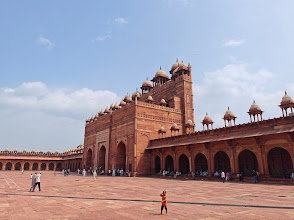
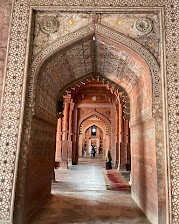
The Jama Masjid (also known as Jami Masjid) in Dadupura, Fatehpur Sikri, Uttar Pradesh, is a magnificent 16th-century congregational mosque built by Mughal Emperor Akbar. Completed around 1571–1574, it is part of the UNESCO World Heritage Site of Fatehpur Sikri. This grand Sufi Friday mosque, one of the largest in India during its time, features Indo-Islamic architecture, a vast courtyard, intricate carvings, and includes the revered white marble tomb (dargah) of Sufi saint Sheikh Salim Chishti. It remains an active place of worship and a major historical landmark.
The Jama Masjid in Fatehpur Sikri stands as a timeless testament to Mughal architectural grandeur and religious devotion. Commissioned by Emperor Akbar as part of his new capital city, Fatehpur Sikri, the mosque was one of the earliest structures built in the complex. Construction was completed between 1571 and 1574 (with inscriptions dating to around AH 979 or 1571–72 AD), making it a foundational element of the city, which Akbar established in honor of the Sufi saint Sheikh Salim Chishti, whose blessings he sought for an heir. This imposing Friday mosque (jama masjid) served as the primary congregational place of worship and was the largest in the Mughal Empire at the time. It blends Persian, Indian, and Islamic architectural styles, with a massive open courtyard surrounded by cloisters, elegant minarets, and a prayer hall featuring multiple mihrabs (niches indicating the direction of Mecca). The sanctuary boasts a large central dome and ornate white marble inlays in geometric patterns. A highlight is the exquisite white marble tomb of Sheikh Salim Chishti within the courtyard, enclosed by an intricately carved marble screen (jaali work) that allows light and air to filter through, symbolizing spiritual openness. The mosque's southern entrance is dominated by the iconic Buland Darwaza (Victory Gate), added later in 1575 to commemorate Akbar's conquests, rising imposingly with its red sandstone facade and towering height. The entire complex reflects Akbar's vision of religious tolerance and cultural synthesis, drawing influences from various traditions while serving as a center for Sufi spirituality. Today, as part of the UNESCO-listed Fatehpur Sikri, the Jama Masjid attracts visitors for its historical significance, serene atmosphere, and architectural beauty. It remains a living site of prayer and pilgrimage.
Year of Built: 1571–1574
Address: 3MV6+WV9, Dadupura, Fatehpur Sikri, Uttar Pradesh 283110
Country: India
State: Uttar Pradesh
District: Fatehpur
Pincode: 283110
Longitude: 77.66278°E
Latitude: 27.09500°N